The order is real. The show is not yet. On October 21, 2026, Disney+ and Hulu formally granted a series order to a revival of Glee (2009), the Ryan Murphy jukebox musical that once defined a specific and unrepeatable moment in American pop culture. The announcement was brief to the point of bluntness: a press release confirming the order, the studio (20th Television), and nothing else. No logline, no episode count, no premiere date, no cast.
 Official trailer
That silence is the story. Everything worth knowing about this revival exists in the gap between what was said and what wasn't.
Glee ran for six seasons on Fox between 2009 and 2015, accumulating an ensemble cast that became, for several years, genuinely famous. The show was nominated for 19 Emmy Awards in its first season alone, and at its peak drew nearly eleven million viewers per episode. It sold more than fifty million songs under its brand, helped accelerate the mainstreaming of LGBTQ characters on network television, and — by its own peculiar gravitational logic — made high school choir seem briefly, inexplicably cool. Then it collapsed in on itself, shedding viewers season by season as its ambitions outran its discipline. By its sixth and final season, it was averaging just over two million viewers.
That arc — from cultural phenomenon to cautionary tale — is the inheritance Murphy is working with. And the inheritance is complicated in ways that go beyond bad ratings.
The Absences That Cannot Be Filled
Any serious accounting of a Glee revival has to begin with who is no longer there to come back. Cory Monteith, who played Finn Hudson, died of a drug overdose in July 2013 at age 31, while the show was still in production. Naya Rivera, who played Santana Lopez, drowned in California's Lake Piru in July 2020 at age 33, after pushing her four-year-old son back onto a boat before she went under. Mark Salling, who played Noah Puckerman, died by suicide in 2018 after pleading guilty to child pornography charges.
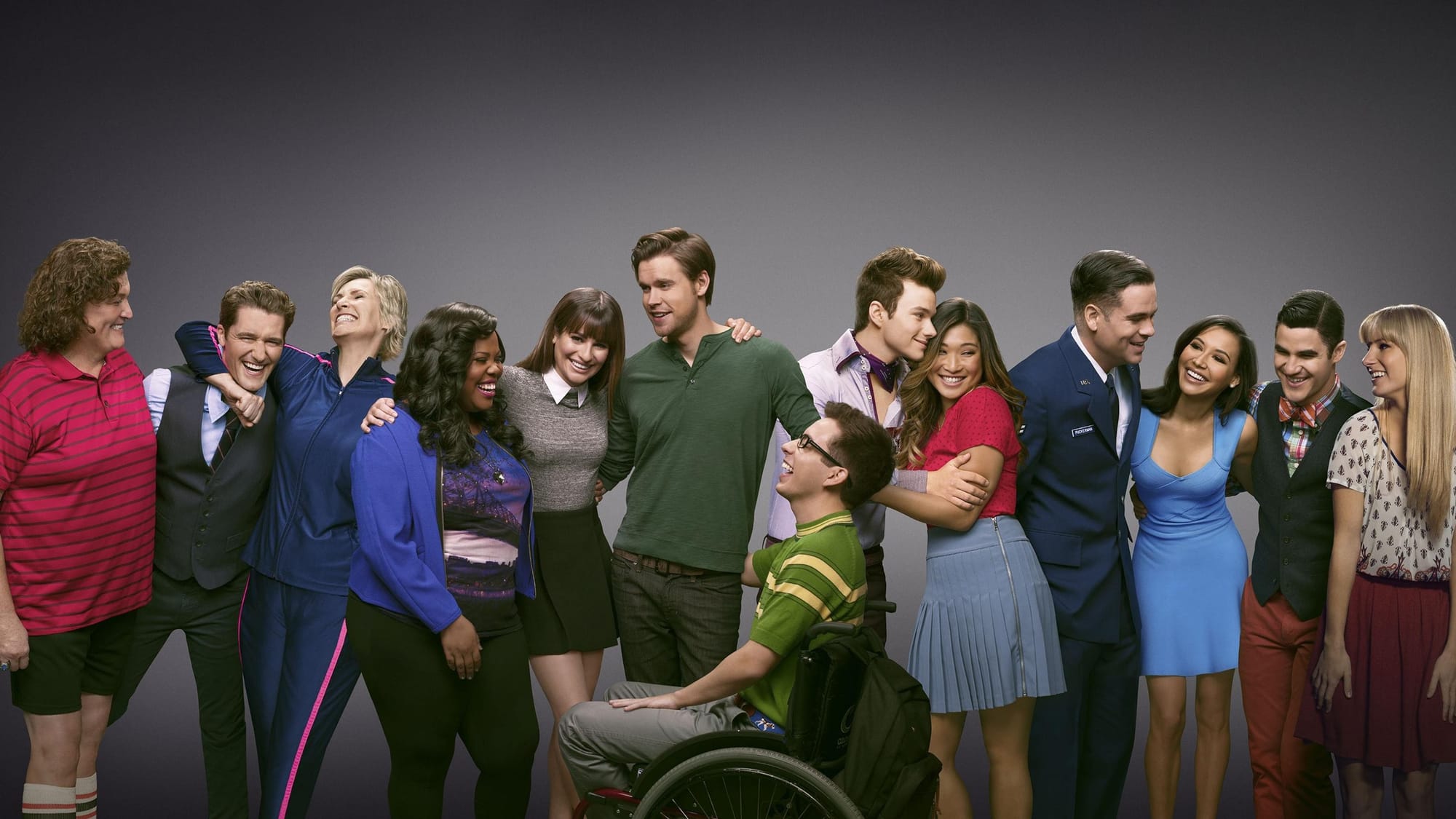
These three deaths are not equivalent in moral weight, but they share a structural consequence: the cast that made Glee Glee no longer exists in the form it took during the show's peak seasons. Finn Hudson was arguably the emotional center of the original series. Santana Lopez was its most complex character — a closeted Latina cheerleader whose arc across six seasons remains the show's most fully realized piece of character writing. Their absence isn't a logistical problem to be written around. It's a creative wound that has no clean resolution.
Chris Colfer, who played Kurt Hummel and who would be one of the obvious anchors of any revival, said publicly just weeks before the greenlight that he had "heard nothing" about a potential reboot. After Variety reported the order, he remained conspicuously quiet. Colfer had previously told Bustle that returning would be difficult precisely because of Rivera's death: "It was a really tough show to do, and it would be really hard to do it now that Naya is gone." That's not a refusal. It's not an endorsement either. It is, however, the most honest public statement anyone associated with this revival has made.
What Murphy Has, and What He Doesn't
What Murphy does have: a script. In September, on the red carpet of the American Horror Story Season 13 premiere, he told Entertainment Tonight that he had just finished writing with Brad Falchuk and Ian Brennan — the same trio that wrote the first two seasons of the original. He said he had been in touch with around ten of the original cast members, all of whom had questions but were "very enthusiastic about the idea." The formal series order came roughly one month later.
What Murphy does not have: confirmed cast, a showrunner deal finalized, a logline, or a production timeline. According to reporting from The Hollywood Reporter, deals for the creative team were still being worked out at the time of the announcement. The order named no producers beyond the 20th Television studio credit. This is not unusual in early-stage television development, but it does mean the announcement is, in functional terms, a declaration of intent dressed up as a conclusion.
The one confirmed piece of casting intelligence is Lea Michele as Rachel Berry. Variety confirmed through multiple sources that Michele is in, though neither her representatives nor Murphy's have said so publicly. Michele's trajectory since Glee ended has been its own complicated story — workplace misconduct allegations against her in 2020 were followed by critical redemption in the Broadway revival of Funny Girl — and her return carries a kind of narrative inevitability that is partly dramatic and partly uncomfortable. Rachel Berry leaving Lima for Broadway was the show's defining throughline. Having her return, presumably older and in some mentorship capacity, is the structural move that practically writes itself.
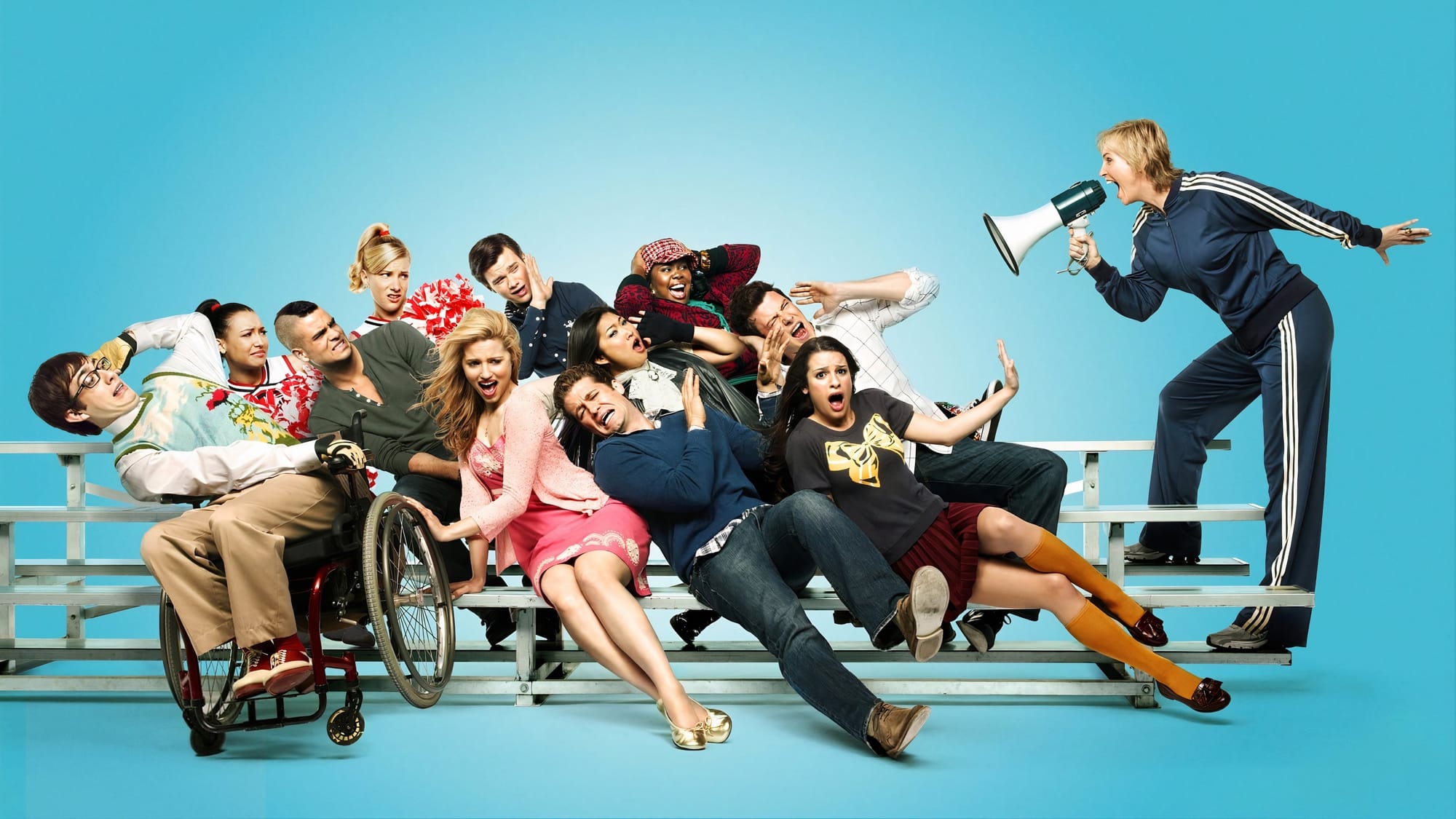
Darren Criss, who played Blaine Anderson, is considered likely by industry observers, partly on the basis that he has continued performing Blaine's Glee catalogue in live concert settings. Heather Morris, who played Brittany Pierce, hinted at her return via Instagram in the hours after the announcement. Matthew Morrison, who played Will Schuester, is reportedly not in talks but has expressed hope to be included. Dianna Agron posted on Instagram around the same time as the announcement — a post unrelated to Glee, but noted and dissected by a fanbase that has not stopped paying attention.
The Platform Question Is Also a Content Question
Moving from Fox to the Disney+/Hulu bundle is not a neutral platform shift. Fox's Glee operated under broadcast network standards, which it routinely pushed against. The streaming context — and specifically the Hulu side of the Disney bundle, which has historically been home to more adult content — theoretically opens room for the show to go further than it once could. Whether Murphy's writing instincts, which have grown simultaneously grander and more unfocused across his Netflix deal output, are suited to the tighter discipline a revival requires is a separate question entirely.
There is also the question of what kind of show this is. Disney is calling it a reboot; Murphy's comments suggest returning original cast members. Those two framings point toward different shows. A true reboot with a fresh generation of McKinley students, with original cast members in supporting or guest roles, is a structurally coherent approach to the absences. A continuation — picking up where these characters left off — means navigating the deaths directly, which is both emotionally necessary and dramatically perilous.
The comparison that keeps surfacing in industry conversation is the revival economy that has defined streaming's relationship with legacy IP for the past decade. Some revivals — The X-Files, Twin Peaks: The Return — treated the gap between original and revival as meaningful material. Most treated it as a marketing opportunity. The difference tends to show in the work. Murphy, to his credit, has never been a showrunner who mistakes nostalgia for vision. The problem is that his vision, when unmoored from the specific ensemble chemistry of the original Glee cast, tends toward spectacle over substance.
The series order is real. The production machinery will now begin to move. But the greenlight resolves the business question while leaving the creative one entirely open: what does a Glee revival mean when the people who made it irreplaceable are either gone, uncommitted, or quietly waiting to see what the script actually says about them? Murphy has written something. Whether what he's written is adequate to the weight of what it's inheriting is the only question that matters now — and the one that won't be answered until the cameras roll.