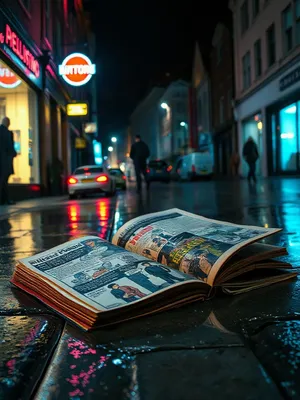
A comic book sells out its presale. Copies of a zero issue start flipping on eBay and StockX for multiples of cover price. An animated adaptation with serious showrunner muscle gets announced. These things can happen independently. When they happen simultaneously, they signal something more structural: an audience that has been waiting, and a property that was always bigger than its visibility suggested.
Dungeon Crawler Carl is not a new phenomenon. Matt Dinniman's LitRPG web serial built a fanatical readership long before anyone put it in print form. The premise — a man and his ex-girlfriend's cat trapped inside a collapsing Earth that has been converted into a televised dungeon crawl for alien entertainment — operates on multiple registers at once: brutal survival horror, sharp satire of reality television and late capitalism, and an oddly emotional story about loyalty and loss. That layered architecture is exactly what makes it adaptable. And adaptable properties, when they finally cross into new media, tend to compress years of slow burn into months of breakout momentum.
The zero issue, released by Aconyte Comics as an entry point for readers unfamiliar with the source material, was designed to function as a proof of concept. It did its job too well. Presales exhausted stock faster than the publisher could absorb, and secondary market listings for near-mint copies have climbed well past what the speculator community typically assigns to cold titles. These are numbers that indicate demand, not hype — a meaningful distinction. Hype produces initial spikes that decay. Demand produces sustained secondary market pressure because buyers who missed the first window keep entering.
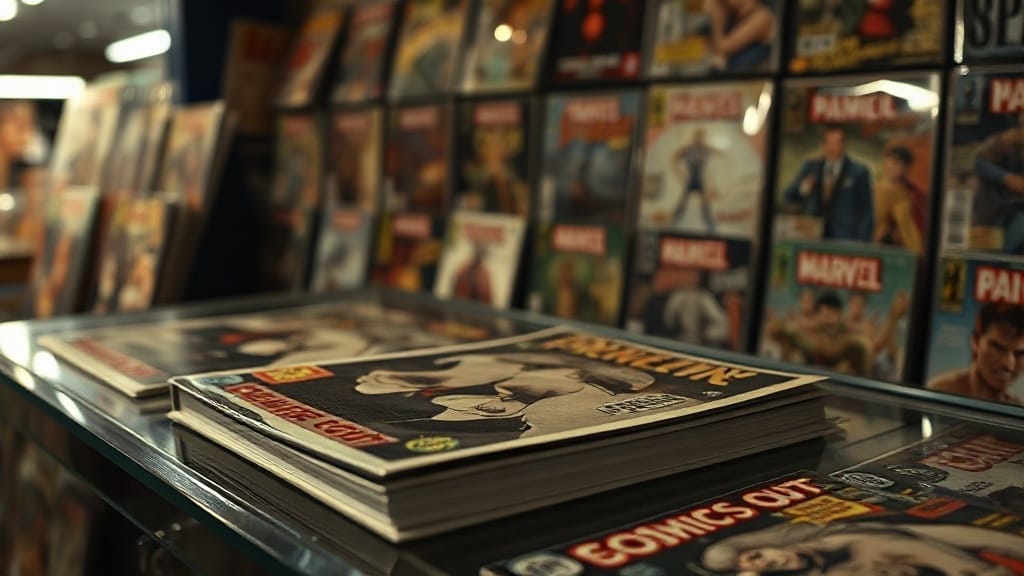
The reasons are not difficult to trace. The existing fanbase of the prose series is large, organized, and accustomed to treating the property with the kind of reverence usually reserved for prestige fantasy. They showed up for the comic the way they show up for each new book drop. But the zero issue also attracted buyers who had never read a word of Dinniman's work — readers drawn by cover art, by algorithm, by word of mouth from comic store staff who recognized the energy early. That crossover demographic is the one that publishers spend years trying to manufacture. Dungeon Crawler Carl produced it organically.
Then there is Seth MacFarlane.
The announcement that MacFarlane's production company is developing an animated adaptation reframes the entire conversation. MacFarlane is not a prestige-drama name, but that framing misreads what Dungeon Crawler Carl actually needs. The serial is violent, comedic, emotionally sincere, and structurally absurdist. It requires a showrunner who can hold those registers in tension without letting any one of them collapse into parody or into solemnity. MacFarlane's track record — across Padre de familia (Family Guy, 1999), American Dad! (2005), and the underrated The Orville (2017) — demonstrates precisely that capacity. He builds comedies that take their own internal logic seriously, and The Orville in particular showed he can sustain genuine dramatic weight inside a genre framework without losing the audience's willingness to laugh.
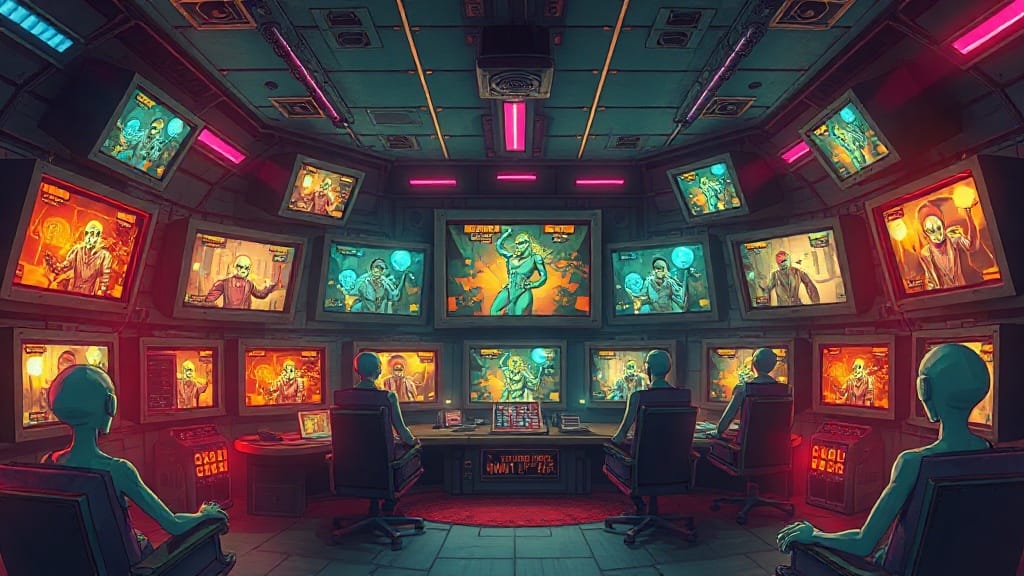
That credential matters because the adaptation's central risk is tonal. The dungeon is a place where a man watches other people die in grotesque ways and then makes jokes about it, and where those jokes land because the grief underneath them is real. Getting that wrong in either direction — too grim, too flippant — produces something unwatchable. Getting it right produces something that runs for five seasons and generates its own secondary market in collected editions.
The comic zero issue, in this context, is not just a collectible. It is the first physical artifact of a franchise in the process of scaling. Readers who recognized that early are sitting on copies that will likely appreciate further as the animated series moves through production and release. Those who didn't are now paying secondary market premiums. Both groups are, in their own way, voting on the same thesis: that Dungeon Crawler Carl is no longer underground.
The dungeon is open. The cameras are rolling. And the audience, it turns out, was already there.