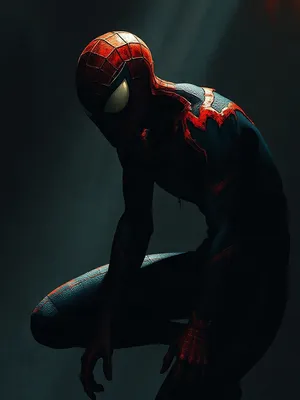
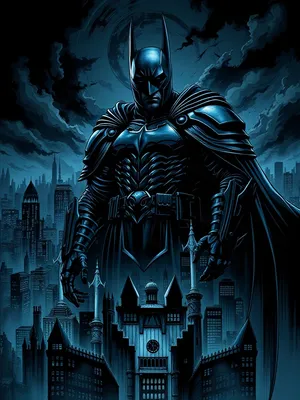
DC didn't walk into San Diego Comic-Con with a quiet announcement. The "Next Level" panel positioned itself as a statement of intent — a publisher signaling that it knows which direction the industry is moving. Three titles anchored the pitch: Static, Vixen, and The Demon. The audience responded with enthusiasm. The correct response is more complicated than that.
The Applause and What It's Covering
Enthusiasm for these announcements is legitimate. Static, Vixen, and The Demon are genuinely compelling figures — each sitting on decades of narrative potential that DC has consistently failed to develop at scale. But the applause at a panel has a way of flattening the history that made the announcement necessary in the first place. The question worth asking isn't "aren't you excited?" It's: why did it take this long, and what does the delay actually tell us about how DC prioritizes its roster?
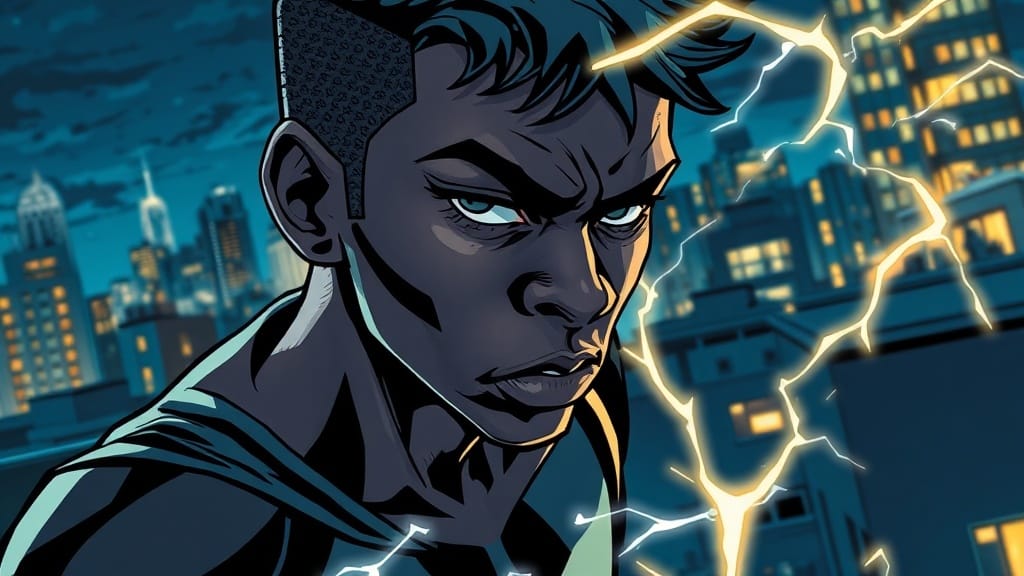
Static — Virgil Hawkins — has been a litmus test for DC's sincerity about representation since the company absorbed Milestone Media. His animated series ran from 1999 to 2004 and introduced an entire generation to a superhero who was Black, nerdy, working-class, and grounded in a city that felt real. That cultural footprint never translated into sustained publishing momentum. The Milestone relaunch of 2021 had promise and structural problems in equal measure, and when the dust settled, Static remained underutilized at exactly the moment broader audiences were ready for him.
Vixen Has Never Been Given the Room She Deserves
Mari Jiwe McCabe has been orbiting DC's first tier for over forty years. Her powerset — channeling the abilities of any animal through the Tantu Totem — is visually arresting, mythologically rich, and almost entirely unexplored at depth in print. She was a founding member of the Detroit Justice League. She has appeared in animated form, in Arrow (2012), in her own web series. She has been a supporting character, a cameo, a guest slot, a moral counterpoint. What she has rarely been is the protagonist of a story that takes her seriously on her own terms, in her own book, with the resources to match the ambition.
The announcement of a Vixen solo title isn't a gift. It's an overdue correction. Framing it as bold vision rather than remediation is the kind of institutional self-congratulation that should be named clearly.
The Demon Is a Different Problem Entirely
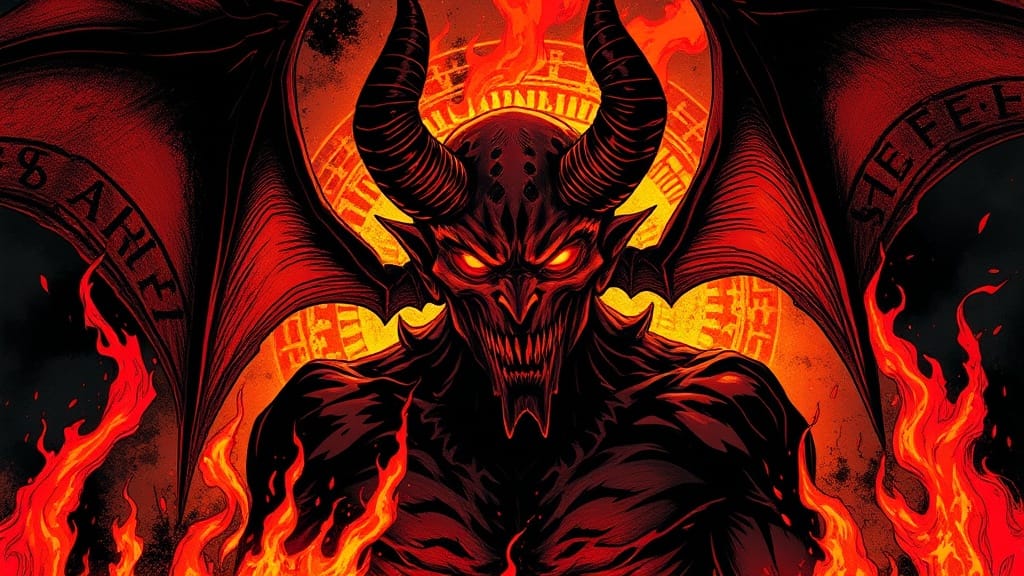
Etrigan occupies a stranger corner of this conversation. Jack Kirby created him in 1972, and the character has never suffered from obscurity in the way Static or Vixen have. He's a cult fixture — beloved, idiosyncratic, rhyme-speaking, gleefully brutal. The problem with Etrigan has always been consistency. He exists in bursts of creative enthusiasm separated by long stretches of cameo existence, his voice and tone reinvented every few years by whoever happens to pick him up. A dedicated title, if it commits to a coherent vision rather than another short-run experiment, would be the most meaningful thing DC could do for the character since Alan Grant's run.
That's a significant "if." DC's track record with unconventional characters suggests the pull toward safe, familiar usage patterns is strong. Etrigan works best when writers lean into the discomfort of what he is — not a hero with an edge, but something genuinely other that occasionally points in a useful direction. The announcement signals intent. The execution will be the verdict.
What "Next Level" Actually Means
DC's branding for the panel implies ascent — a publisher moving upward, expanding its scope, reaching new heights. The more accurate reading is that the publisher is filling gaps it created. Static, Vixen, and The Demon were never niche properties awaiting discovery. They were established characters who were systematically deprioritized while Batman received another twelve concurrent titles and Superman's mythology was restructured for the fourth time in a decade.
None of this means the titles will fail. The creative teams attached to these projects matter enormously, and if DC has matched the right voices to the right characters, all three books have genuine potential to be among the most interesting things the publisher releases. The optimism is warranted. So is the scrutiny.
Because the real measure of DC's Next Level isn't the announcement panel. It's whether Static, Vixen, and The Demon are still being published — and still being taken seriously — two years from now.