The pattern has become familiar enough to be a genre of its own: studio makes game, studio runs out of money, game ships, studio lays off the people who made it. What makes the Bit Reactor story different — and more corrosive — is the extra beat in the middle. The studio furloughed its staff before the game came out, recalled some of them after the game sold a million copies, and then laid them off anyway, roughly one month later. The cruelty is not incidental; it is structural.
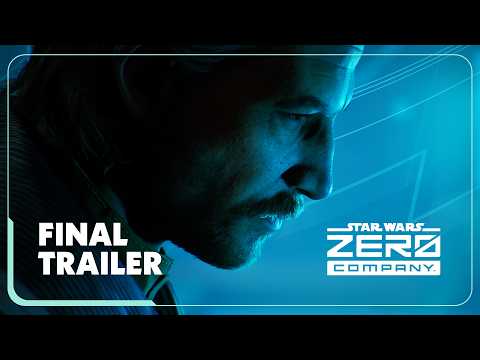 Official trailer
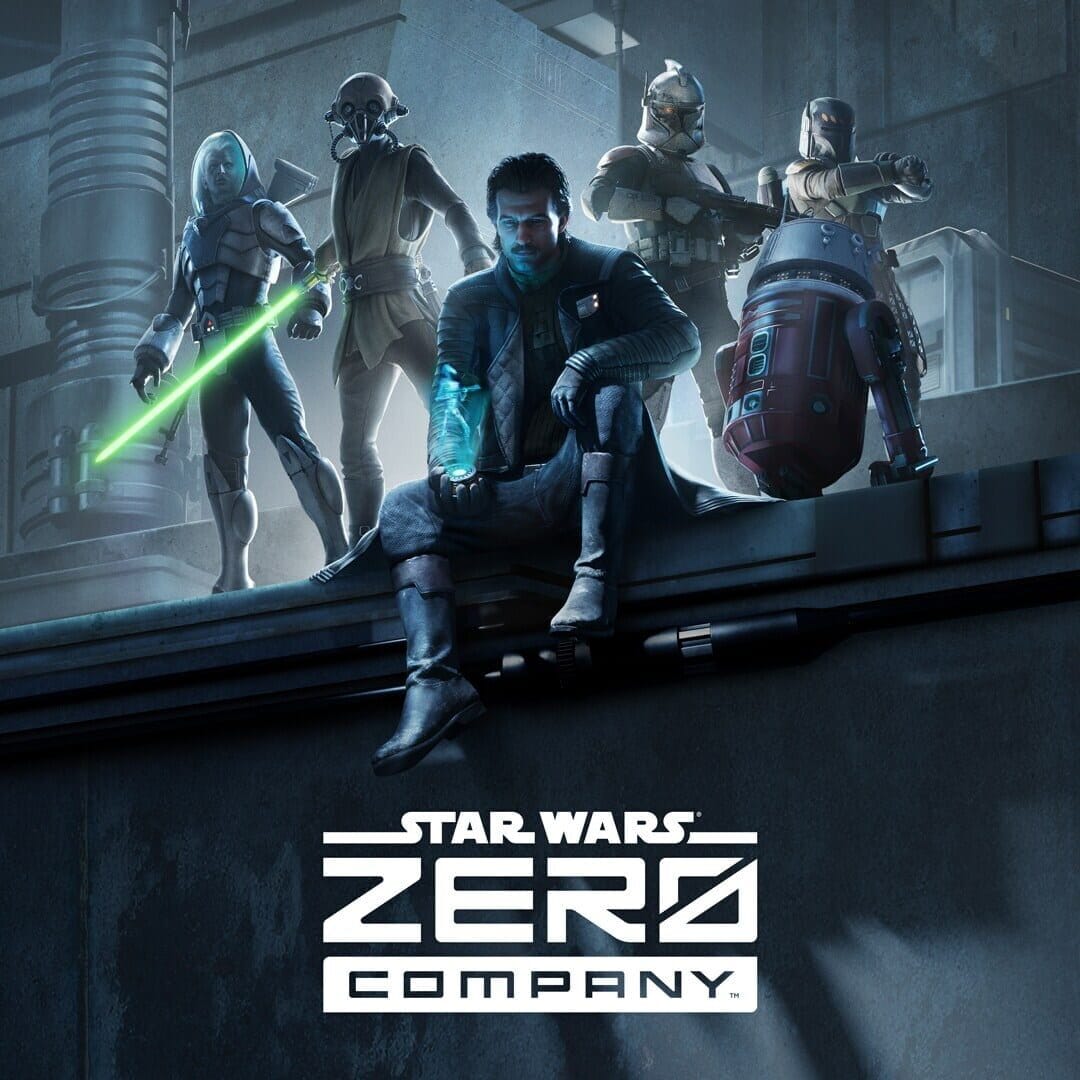
Star Wars Zero Company (2026) — developed by Bit Reactor in collaboration with Respawn Entertainment, published by Electronic Arts, set during the twilight of the Clone Wars — launched on August 27, 2026, as a single-player turn-based tactics game. It was developed by Bit Reactor in collaboration with Respawn Entertainment and Lucasfilm Games. The critical reception was exceptional by the standards of a licensed Star Wars title. On Metacritic, the PC version scored 86 based on 41 critic reviews; on OpenCritic, the game rated 88 — landing in "Mighty" territory. Among major projects, Zero Company posted the best Metacritic result in 22 years for the franchise.
None of that acclaim was enough to keep the lights on at the studio that made it. Bit Reactor ran out of money in the weeks leading up to launch, and roughly 80% of staff were placed on furlough. In a statement to Game File, the company said it took the decision to temporarily suspend employees without pay due to concerns over how the title would perform at launch. Only a "skeleton crew" remained on active payroll at the U.S. studio. Former senior technical artist Zachariah Scott said the project was built with "shocking austerity," and also accused Bit Reactor of "concealing the fact that the team was furloughed weeks ago" after the company finally made the announcement.
The game shipped and the reviews rolled in and the sales materialized. Star Wars Zero Company sold more than one million copies across platforms in about 43 days. According to data analytics firm Alinea Analytics, the game made approximately $50 million in revenues, with Steam accounting for 69.9% of its sold units, PlayStation for 19.9%, and Xbox for 10.2%. On October 7, CEO Greg Foertsch posted a statement to Bit Reactor's Bluesky account. He wrote that the studio had "started the process of returning more of our team back to work." He characterized the original furlough as a response to "unexpected business developments outside of our control" and "necessary to help us eventually bring as many people back as we can."
It sounded like a turning point. It was not. Staff who worked on Star Wars Zero Company announced on November 6, 2026, that they had been laid off by Bit Reactor, about a month after the company began bringing some furloughed employees back to work. The total number of people affected has not been disclosed. The staff impacted included artists, UI/UX professionals, producers, QA workers, and more. Neither Bit Reactor nor EA has publicly commented on the latest round of cuts. Foertsch's October statement had ended with thanks to fans and a line about sharing "more updates regarding Bit Reactor and Zero Company soon." That update, it turns out, was this.
The timeline tells a specific and damning story about how mid-sized game development is financed. Bit Reactor did not make a bad game — it made one of the most critically praised Star Wars games in over two decades. The studio did not miss on sales — it crossed a million units in six weeks. What it apparently could not do was survive the gap between when development costs are due and when post-launch revenue actually arrives. The studio had run out of money, leading to staff being furloughed before the game even released. That means the financial crisis preceded launch, not followed it. The game's commercial performance was not a remedy for a problem that had already metastasized.
Studio staff was reportedly roughly half of what it was at the time of the original furloughs even when the recall began — suggesting that the October reinstatement was always partial, provisional, and contingent on a revenue timeline that did not align with the studio's obligations. Furloughed staff members were also alleged to have been "cut off from any possible profit sharing," a detail that makes the million-copy sales milestone considerably more complicated to celebrate. The workers who shipped the game were suspended without pay at launch, ineligible for profit participation, then partially recalled, then let go. The game's success, in this reading, was the publisher's; the precarity was the developer's.
This is not purely an EA story. Game File reported that the decision to furlough fell with Bit Reactor, not publisher EA. That is worth sitting with. An independent studio with a major licensed IP, in collaboration with Respawn and Lucasfilm, apparently reached a point where it could not make payroll weeks before launch. The structure of the deal — whatever it was — did not provide sufficient runway. The success of the game after launch did not, by itself, resolve the structural shortfall fast enough to keep the team intact. A million-dollar IP license, a Metacritic 86, and $50 million in estimated revenue: none of it translated into job security within 70 days of release.
A lawsuit involving Foertsch and co-founder Alison Kelly is also currently ongoing, adding another layer of internal turbulence to a studio that was already operating on fumes at launch. Following Patch 1.2, virtually nothing about the game's future has been shared publicly. Whether Zero Company receives further content support — DLC, additional patches, long-term post-launch care — now seems genuinely uncertain. In his October 7 statement, Foertsch described the reinstatement as an important step towards continuing support for Zero Company. That framing now reads differently.
The industry context here is not incidental. The closure of Turn 10 Studios and the end of Forza Motorsport's future earlier this year illustrated how even high-profile, well-resourced studios can evaporate when post-launch revenue models collapse. The Bit Reactor situation is a sharper version of the same dysfunction — made sharper because the game was good, the sales were real, and the developers still lost their jobs. The window between a game shipping and a studio becoming financially whole has always been narrow. For smaller developers working on licensed titles with high fixed costs and uncertain royalty timelines, that window may now be effectively nonexistent.
What the Bit Reactor story ultimately exposes is a financing structure for mid-tier game development that has not adapted to the realities of modern release economics. A studio can ship a critically acclaimed, commercially successful title and still not retain the workforce that made it. What is especially frustrating for those involved is that Zero Company appears to have performed reasonably well. That is precisely the point. "Reasonably well" — or even very well — is no longer sufficient insulation when development costs are front-loaded, revenue is deferred, and the people who built the game are the most available lever to pull. The layoffs at Bit Reactor are not a failure of the game. They are a failure of the system built around it.