Game Freak has spent nearly thirty years being the most successfully typecast studio in the industry. Every mainline entry in the Pokémon series, from Pokémon Red and Green (1996) to Pokémon Scarlet and Violet (2022), has carried their name — and with it, a reputation built almost entirely on the expectations of children, parents, and the nostalgia economy that feeds both. Beast of Reincarnation (2025), launching August 4, is the studio's first AAA project entirely outside that orbit. It is a post-apocalyptic action RPG with Soulslike mechanics, a dark aesthetic, and no Pikachu in sight. That sentence alone is a kind of seismic event.
The Weight of a Single Franchise
To understand what Game Freak is risking here, you have to understand what Game Freak actually is. Despite being the creative engine behind the highest-grossing media franchise in history, the studio has historically operated at a surprisingly modest scale — small teams, limited budgets relative to the revenue they generate, and a pipeline almost entirely dictated by Nintendo and The Pokémon Company's release schedules. The studio did release smaller experimental titles — Tembo the Badass Elephant (2015) and Little Town Hero (2019) — but neither commanded serious critical attention nor signaled genuine AAA ambition. They read more as palette cleansers than declarations of independence.
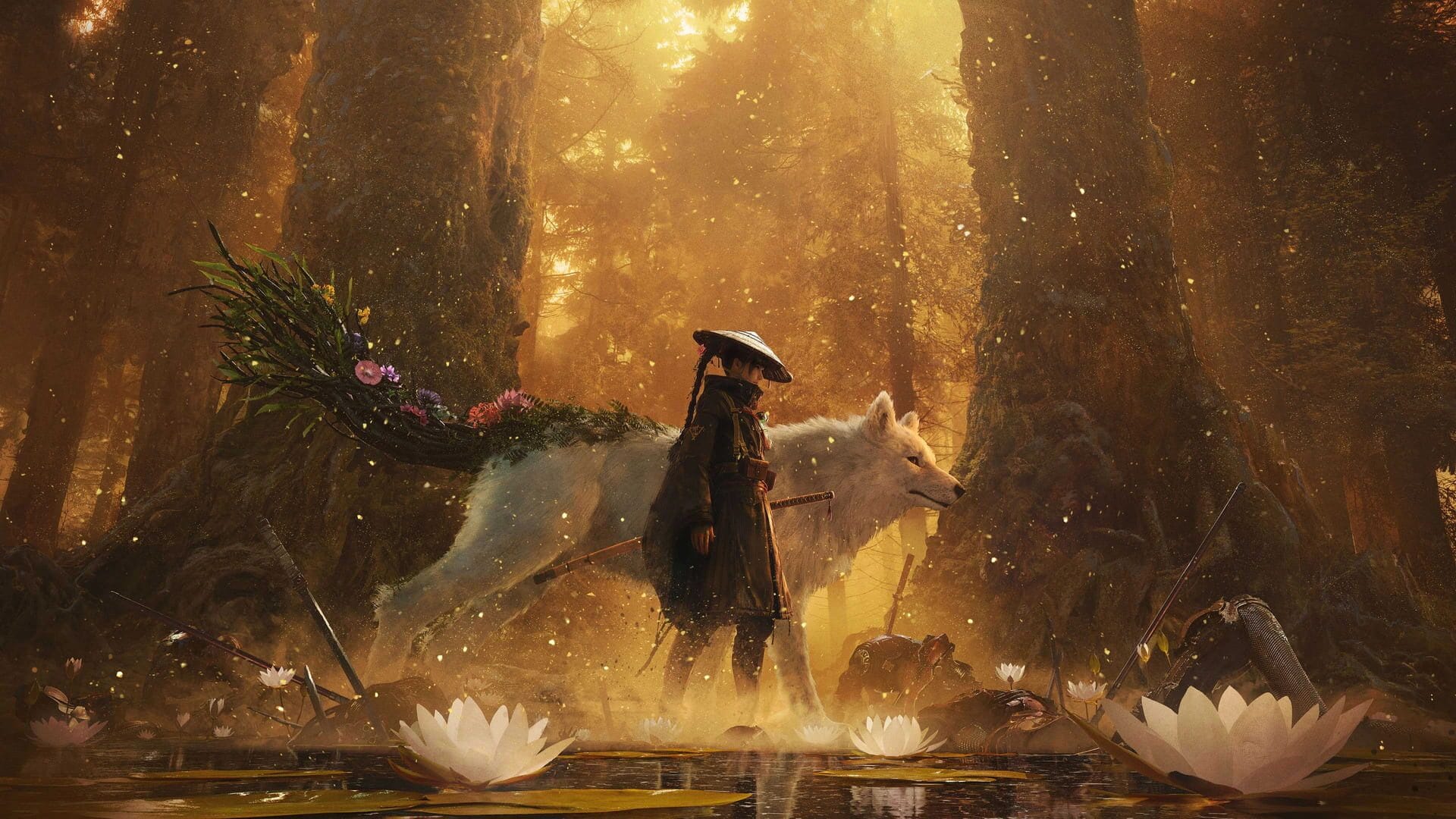
Beast of Reincarnation is neither a palette cleanser nor a side project. It is a full-scale action RPG set in a collapsed world, where players assume the role of a warrior caught in a cycle of death and rebirth, harvesting the remnants of fallen beasts to reclaim a dying civilization. The mechanical language is unmistakably Soulslike: deliberate combat, punishing enemy design, stamina-gated aggression, environmental storytelling. The tonal register is the opposite of everything Game Freak has publicly stood for.
A Studio Proving Something — But to Whom?
The question Beast of Reincarnation poses is not simply whether it is a good game. It is whether Game Freak is capable of being evaluated on entirely different terms — and whether the audience will allow it. The "Pokémon developers" label is not neutral. It primes players to approach this game as an anomaly rather than an artifact, as an experiment rather than an expression. Every frame of footage released so far has been watched through the filter of that institutional identity, and the discourse has reflected it: comparisons arrive not to Elden Ring (2022) or Dark Souls (2011) but to Pokémon Legends: Arceus (2022) — a game in the same franchise that nudged, timidly, in a more action-oriented direction.
That framing is both unfair and entirely predictable. It is also one of the most revealing stress tests in gaming this summer. If Beast of Reincarnation lands with mechanical precision and narrative weight, the conversation about Game Freak's technical ceiling — a conversation that has grown increasingly pointed since Scarlet and Violet's catastrophic performance issues — gets complicated in productive ways. If it falters, it will be read as confirmation of a structural limitation: a studio built to ship one kind of product, optimized over decades for that product, now stumbling in unfamiliar territory.
The Soulslike as Stress Test
The genre choice is not incidental. Soulslikes are among the most technically and philosophically demanding action subgenres to execute. They require a specific kind of systemic rigor — hitbox precision, enemy AI legibility, environmental pacing, death-loop tension that rewards rather than alienates. FromSoftware's dominance of the genre is not just a matter of taste; it is the product of iterative institutional knowledge built across Demon's Souls (2009), Bloodborne (2015), and a decade of refinement. Game Freak is entering this space without that lineage.
That is not automatically disqualifying. Lies of P (2023) demonstrated that a studio without FromSoftware's pedigree could produce a Soulslike of genuine craft and personality. But Neowiz had never been publicly synonymous with an entirely different genre. Game Freak is carrying luggage that studio never had to check.
What August 4 Actually Decides
The launch of Beast of Reincarnation will not immediately resolve what Game Freak is or isn't capable of becoming. Studios don't transform their identities with a single title. But it will establish something durable: whether the studio possesses the creative and technical range to be discussed on multiple registers simultaneously, or whether it will remain, regardless of effort, the place where Pokémon comes from. That quiet, persistent question — more than any boss encounter or review score — is why this launch matters. The monster-collecting franchise made Game Freak untouchable. Now they have to find out if it also made them legible only in one language.