HoYoverse doesn't make accidents. Every title the Shanghai studio has released — from Honkai Impact 3rd (2016) to Genshin Impact (2020) to Honkai: Star Rail (2023) — has been a deliberate act of market positioning disguised as entertainment. So when the studio took the stage at Gamescom 2025 to unveil a dark, cooperative fantasy action game with visual and tonal DNA that reads unmistakably close to Elden Ring (2022), the correct response isn't wonder. It's analysis.
The reveal — architectural gothic environments, desaturated color grading, weight-forward combat animations, and a cooperative multiplayer framework — is not HoYoverse chasing a trend. By the time studios chase trends, the trend is already metabolized. This is something more deliberate: a studio with hundreds of millions of live-service users and the financial infrastructure to self-fund AAA development signaling, clearly and publicly, that it believes prestige gaming and gacha-adjacent economies are about to occupy the same space.
The Prestige Turn
The souls-like genre — shorthand for action games that emphasize difficulty, environmental storytelling, and death as a learning mechanism — has functioned for over a decade as a kind of critical legitimacy marker. FromSoftware built that reputation methodically, and Elden Ring's 21 million copies sold confirmed that the audience for that kind of experience had expanded far beyond its cult origins. What hadn't happened yet was a major live-service operator attempting to colonize that prestige space at scale.
HoYoverse is attempting exactly that. The cooperative structure of the new title isn't incidental — it's the hinge point of the entire strategic argument. Souls-like games have historically been lonely architectures. The asynchronous multiplayer of the FromSoftware canon, the messages and ghost silhouettes, is atmosphere, not social infrastructure. HoYoverse is proposing something different: that the dark fantasy experience can be made synchronous, persistent, and socially sticky in the way that Genshin Impact's world has been for five years. If that works, it doesn't just expand the souls-like audience. It brings monetization architecture to a genre that has largely resisted it.
What the Aesthetic Signals
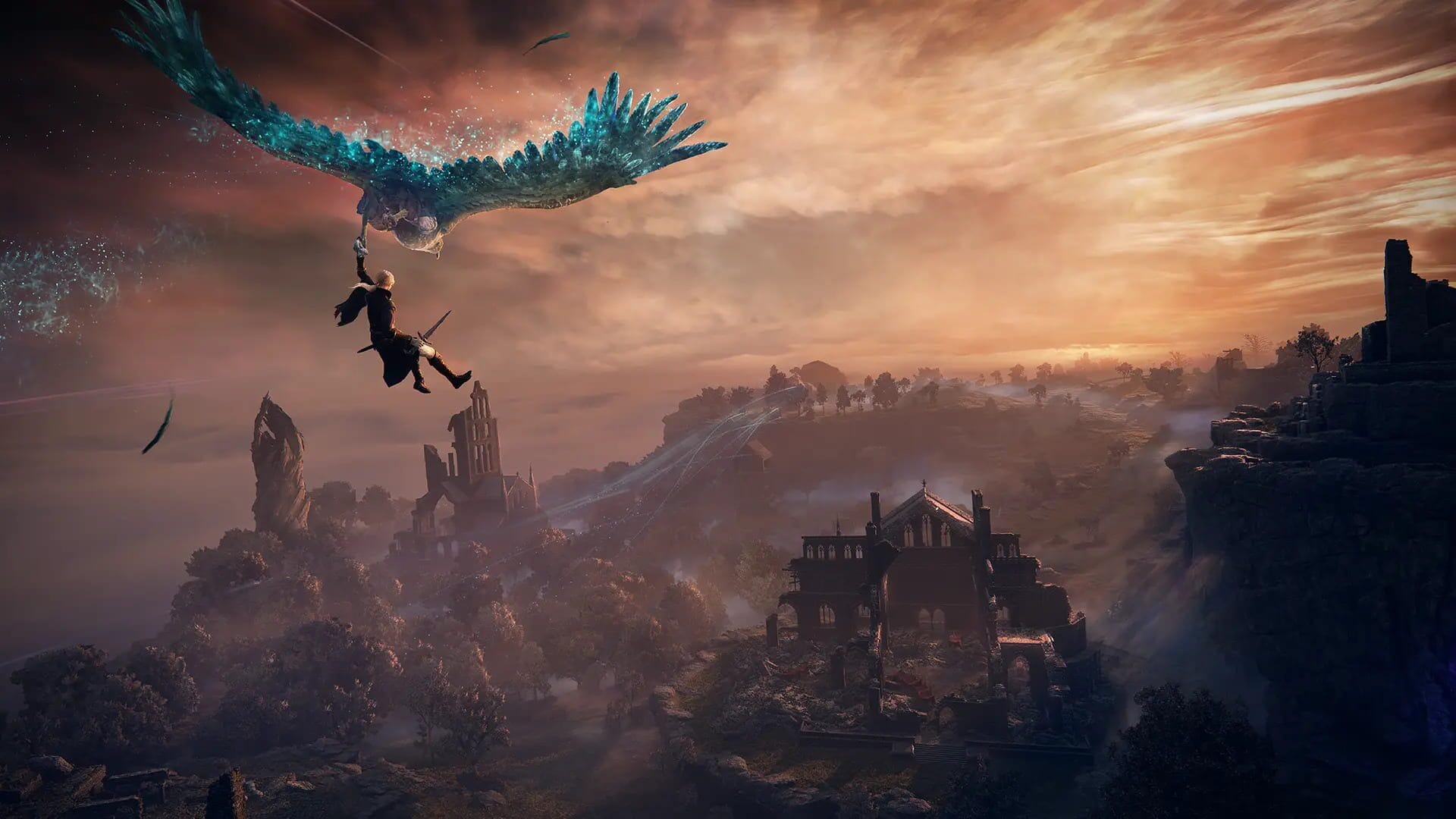
The visual language HoYoverse chose for this reveal is not subtle, and it isn't meant to be. Crumbling stone cathedrals, plague-dark skies, enemy designs that suggest theological rot — these are the iconographic vocabulary of the post-Dark Souls (2011) era, and deploying them is a form of direct address to a specific player culture. That culture has historically been skeptical of free-to-play economics, of battle passes, of gacha systems. HoYoverse knows this. The aesthetic choice is partly recruitment and partly argument: we can speak your language, the studio is saying, and we can fund things at a scale that independent action studios cannot.
This matters because production value in this genre is load-bearing. Elden Ring works not just mechanically but cinematically — it is a game that earns its darkness through density of craft. If HoYoverse's new title arrives with the visual and systemic fidelity its reveal suggests, the studio's existing monetization expertise becomes a structural advantage rather than a liability. A persistent cooperative dark fantasy with HoYoverse's retention engineering could sustain a player base in ways that single-playthrough action titles structurally cannot.
The Larger Bet
Read in isolation, a single game announcement is just a game announcement. Read against HoYoverse's trajectory, it is evidence of a thesis. The studio has been systematically expanding its genre vocabulary — turn-based RPG, open-world action, rhythm game — while maintaining the economic spine of gacha monetization beneath each. The pattern is consistent: enter a genre with enough craft investment to be taken seriously, then apply live-service architecture to an audience that hadn't previously accepted it.
The souls-like genre is the hardest version of that bet. Its audience is vocal, protective of the form, and historically hostile to perceived dilution. But it is also an audience that has grown dramatically, that skews toward the kind of engaged, long-session players that live-service economies most prize, and that has never had a title built specifically around cooperative persistence at the budget level HoYoverse can deploy.
Whether the game delivers on what the Gamescom reveal implies remains genuinely open. HoYoverse has stumbled before in translating aesthetic ambition into systemic depth. But the announcement itself doesn't need to be a finished argument to be a meaningful one. The studio just told the industry where it thinks the money and the credibility are converging. That's worth taking seriously, regardless of what the final product turns out to be.