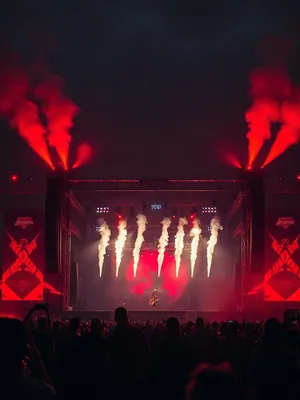
The tracklist for petal was not leaked. It was not dropped at midnight on a streaming platform or buried inside a cryptic social post. It appeared on a screen the size of a building, in front of thousands of people who had paid to be there, during a live performance. Ariana Grande revealed the song titles for her upcoming album — due July 31 — mid-tour, and the fandom did the rest. Within hours, every title had been screenshotted, annotated, debated, and theorized into oblivion. That is not an accident. That is architecture.
The distinction matters. The music industry has spent the better part of a decade chasing the idea of "organic" rollouts — surprise drops, fake leaks, staged fan discoveries — with diminishing returns, because audiences have grown literate enough to recognize the machinery behind the curtain. What Grande has done with petal is something more durable: she has made the tour itself the primary medium of communication, and turned physical presence into the scarcest currency in a world of infinite content.
The Inglewood Moment as Editorial Decision
Revealing a tracklist at a concert is not new. But the specific conditions matter. Inglewood — a venue with the gravitational pull of SoFi Stadium — functions as a cultural amplifier. The crowd isn't passive; it's composed of the most invested segment of the fanbase, the people who will become primary sources for everyone else. When they capture something on their phones, they are not just documenting it. They are distributing it with the implicit endorsement of having been there. The room confers authenticity in a way that a press release never could.
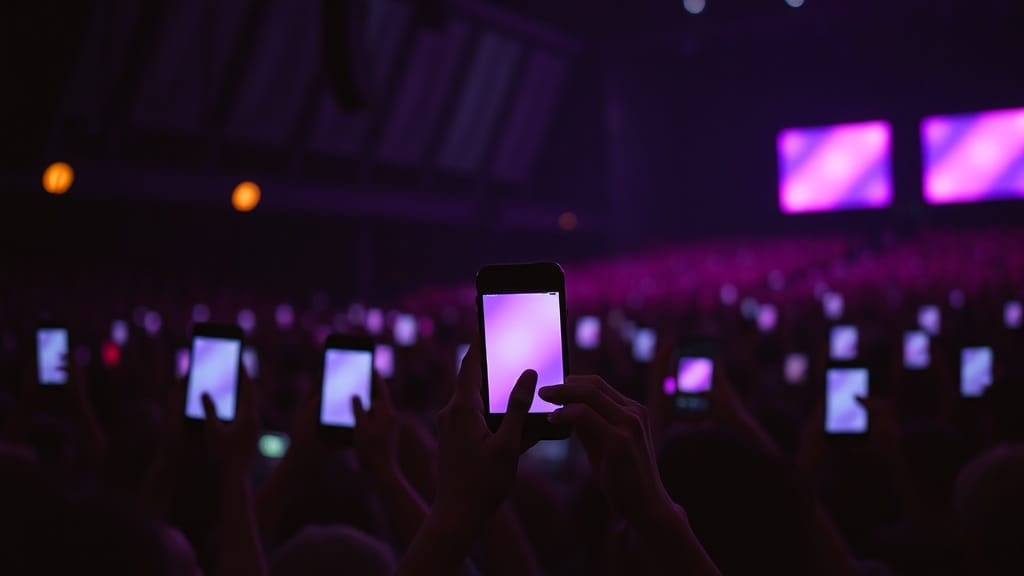
Grande's team understood that the reveal would land not as a marketing beat but as a concert memory — something that happened to people rather than something served at them. The difference in emotional register is significant. Album announcements that feel transactional generate engagement. Announcements that feel like shared experience generate investment.
Song Titles as Controlled Ambiguity
The fandom's response to the petal tracklist has been forensic. Every title is being read as evidence — of emotional arc, of narrative continuity with her previous work, of personal disclosure. This is not a new behavior for devoted music audiences, but Grande's titles have historically rewarded that kind of reading, which means the decoding impulse is rational, not merely parasocial.
The titles function as a controlled information release. They are specific enough to feel meaningful, ambiguous enough to sustain interpretation. They give the audience something to work with without closing down the mystery that makes a record worth anticipating. In a media environment that rewards certainty and hot takes, that calibrated withholding is genuinely difficult to execute — and when it works, it keeps the conversation alive for weeks without requiring a single additional asset from the artist.
The Tour as the Most Efficient Marketing Platform of 2026
Streaming platforms can deliver music instantly to anywhere on earth. They cannot deliver the specific feeling of being in a room when something happens for the first time. Grande's ongoing tour has, by design or by an exceptionally well-read instinct, become the spine of her album campaign — not a promotional obligation that runs parallel to it, but the engine that generates every subsequent news cycle.
Each night of the tour is now a potential event. Audiences show up knowing they might see or hear something that matters. That anticipatory state — the awareness that this particular night could be the one — is extraordinarily valuable and almost impossible to manufacture through conventional promotion. It requires a genuine sense that the artist is using the live space as a place where things actually happen, not just a venue for performing content that already exists elsewhere.
petal drops July 31. The tour continues. Between now and then, every performance is a potential chapter in the rollout — another controlled reveal, another shared moment that will be captured, distributed, and dissected before the house lights come up. Grande has not reinvented album marketing. She has done something more precise: she has identified the one thing that cannot be streamed, and made it the center of everything.
That is what a case study looks like before it becomes one.