The Hollywood calendar has a dead zone everybody knows about. When Halloween lands on a Saturday, studios clear out. No major release dares compete with trick-or-treaters, parties, and the general disinclination of the American public to sit still in a dark room when a different kind of dark room beckons. Studios know it, which is why nobody opens anything of consequence this weekend — the top five fills entirely with holdovers. The last time a Saturday Halloween shaped a domestic weekend in a meaningful way — setting aside the pandemic-era void of 2020 — was 2015, when the fifth week of The Martian topped the box office with $11 million. This year, the industry's calculated retreat handed the weekend to two films already in release: a DC body-horror picture and a three-hour documentary about Elizabeth Holmes directed by Nathan Fielder and Lance Oppenheim. The documentary won.
 Official trailer
You Can See Everything (2026) narrowly holds No. 1 for the first time since its release, after spending its first two weekends in second place, with an industry-estimated $10.6 million. Clayface sits just behind with $10.2 million, which marks a 57% drop from its opening weekend. The margin is thin — barely $400,000 separates a Gotham shapeshifter from a convicted Silicon Valley fraudster — but the result is unambiguous: a non-fiction film, released by an independent studio, now leads the domestic box office in its third weekend of release. That is not a sentence anyone would have predicted when A24 quietly set the film's release date.
The trajectory that got here has been relentless. The film's opening weekend earned $15.6 million from just 855 theatres. Never before had a documentary playing in fewer than 1,000 theaters topped the domestic box-office chart — and even then, You Can See Everything didn't top it that first weekend, finishing second. What followed was rarer still: A24's documentary used a major expansion to take a +25% upswing to $19.5M in its sophomore frame, with shows being added to accommodate demand. After more than 2,000 screenings sold out, A24 expanded its release from 855 to 2,655 theatres for the second weekend. By Halloween weekend it had grown again, expanding from 2,655 theaters to 3,243. The film did not slow — it scaled.
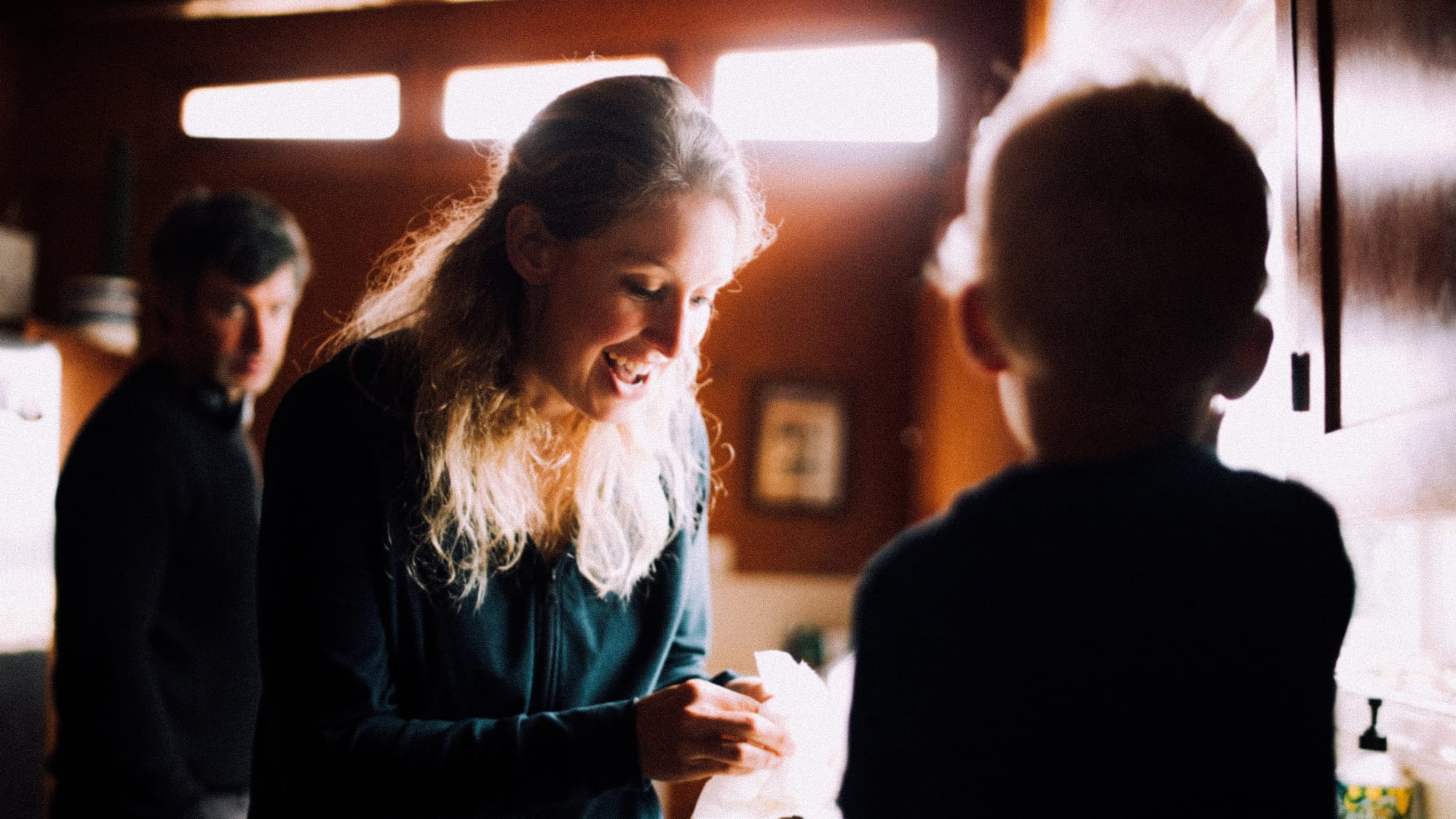
The cumulative effect of that run is genuinely historic. You Can See Everything is dropping 43% from its $19.5 million second weekend, bringing its domestic total to approximately $63 million. It is the third documentary ever to cross the $50 million milestone at the North American box office, emerging as the third-highest-grossing non-music documentary of all time domestically. Its opening was the second-best ever for a non-concert documentary, behind Fahrenheit 9/11, which went on to earn about $119 million domestically. That context matters enormously: Fahrenheit 9/11 (2004) was a cultural and political detonation, arriving at the peak of anti-Bush sentiment and propelled by Michael Moore's singular notoriety. You Can See Everything operates on different fuel — formal provocation, platform-era celebrity fascination, and the strange gravitational pull of Nathan Fielder's presence in a room with someone who defrauded her investors of hundreds of millions of dollars.
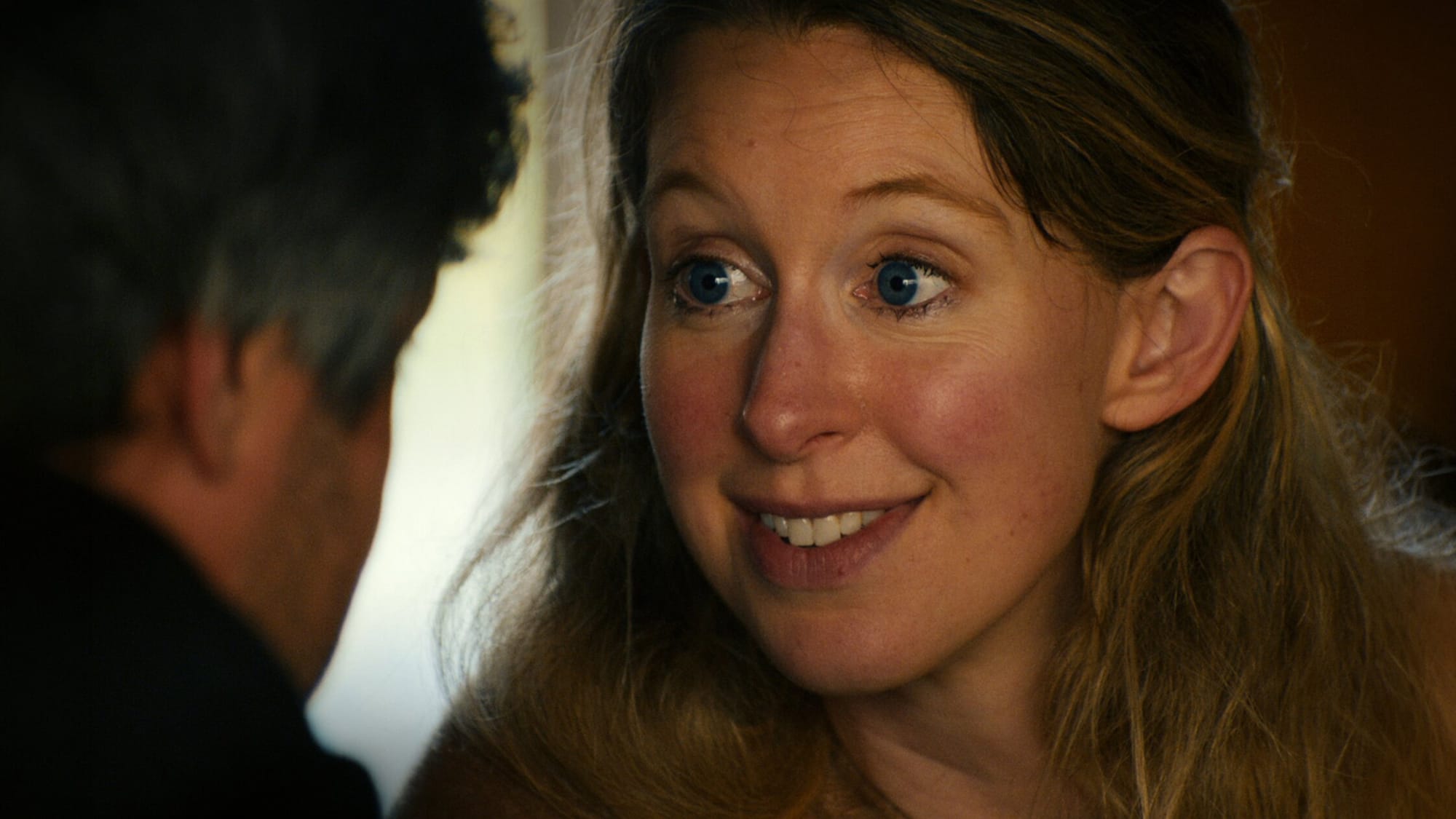
The film itself, which premiered at the New York Film Festival before opening wide on October 16, is structured around an audacious premise. Thirty-four days before she's sent to prison, notorious Silicon Valley founder Elizabeth Holmes invites a skeptical film crew to document her every move, and what begins as an intimate portrait of an enigmatic felon becomes a mind-bending three-year journey into the abyss. That three-year span — from pre-incarceration access through whatever comes after — is precisely what gives the film its strange, shifting quality. The first 90 minutes or so, filmed before she went to prison, are a relatively straightforward chronicle of Fielder and his collaborator Lance Oppenheim documenting Holmes' last month at home with her partner, Billy Evans, and their kids. The film then transforms into something harder to categorise. The film is now sitting at a "Certified Fresh" 97% score on Rotten Tomatoes, where the consensus reads that Fielder's "ironclad commitment to the bit is pushed to its limit" in a work "as absorbing as it is haunting."
Fielder — best known for the Comedy Central series Nathan for You (2013) and HBO's The Rehearsal — co-directed his first feature film alongside Lance Oppenheim, the documentary You Can See Everything, which follows the disgraced entrepreneur Elizabeth Holmes and her partner Billy Evans. Oppenheim, for his part, had already established himself as one of non-fiction cinema's most formally adventurous practitioners: his documentaries include Some Kind of Heaven (2020), about The Villages, Florida, and Spermworld (2024), about unregulated sperm donation. The pairing is not accidental. Both filmmakers share an aesthetic that treats reality as a performance to be interrogated rather than a truth to be recorded — and Elizabeth Holmes, a figure defined entirely by constructed persona, is perhaps the most fitting subject either could have found. The film's performance has also fuelled speculation about its awards-season prospects, with the possibility of becoming the first documentary to receive an Academy Award nomination for Best Picture.
On the opposite side of this particular weekend, Clayface (2026) tells a different but instructive story. Directed by James Watkins, Clayface centres on the Batman villain and takes DC Studios into R-rated body horror. It won its opening weekend with about $24.5 million and an A- CinemaScore, a grade horror crowds almost never hand out. The R-rated film brought in approximately $19 million internationally, giving it a worldwide opening of $43 million against a reported production budget of $44 million. Clayface has a 10-day total of $44 million as it heads for modest theatrical success. It is, by DC's recent standards, functional. By the standards of what it's now losing to, it is something else entirely.
The significance of this Halloween result is not reducible to a single weekend's numbers. What the chart actually shows is a sustained, multi-week demonstration that non-fiction cinema — the right non-fiction cinema, made with the formal ambition of narrative filmmaking and released with the strategic instincts of a studio that has consistently outperformed its budget range — can compete with IP-backed franchise product on mainstream terms. A24's record-breaking $15.6 million opening was already an anomaly. The fact that the film grew in its second weekend, held in its third, and is now No. 1 after three consecutive weeks in the top two transforms the anomaly into an argument. The theatrical documentary has always been treated, even by its champions, as a prestige supplement to the main event — a film that earns critical praise and limited-run cultural currency before disappearing into a streaming catalogue. You Can See Everything refuses that category. Its box-office run is the most forceful rejection of that ceiling the form has produced in two decades.
What A24 understood, and what the industry will spend the next several months processing, is that documentary cinema's mainstream constraint has never been audience appetite. It has been distribution ambition. Driven by strong audience interest and viral attention, A24 significantly expanded its theatre count, positioning the film for continued financial success while international releases are slated for late 2026. Its UK and Australian releases are scheduled for November 20, 2026. The international run has not yet begun. The domestic argument, however, is already made: on the quietest weekend the Hollywood calendar offers, with no competition worth naming, a three-hour film about a woman who went to prison for fraud — directed by a comedian whose primary mode is weaponised awkwardness — became the No. 1 movie in America. The industry's most strategically avoided date now belongs to a documentary that just edged a DC superhero film. That is the kind of result that changes conversations in rooms where such conversations actually matter.