There is a version of this story that begins with nostalgia and ends with a box quote about how good the original was. That version is not worth writing. The more interesting version begins with a werewolf reveal that the story trailer for The Wolf Among Us Remastered (2026) held back until its final moments, and with a question that every remaster of a beloved narrative game has to answer honestly: does the work still function as a game, or only as a monument?
 Official trailer
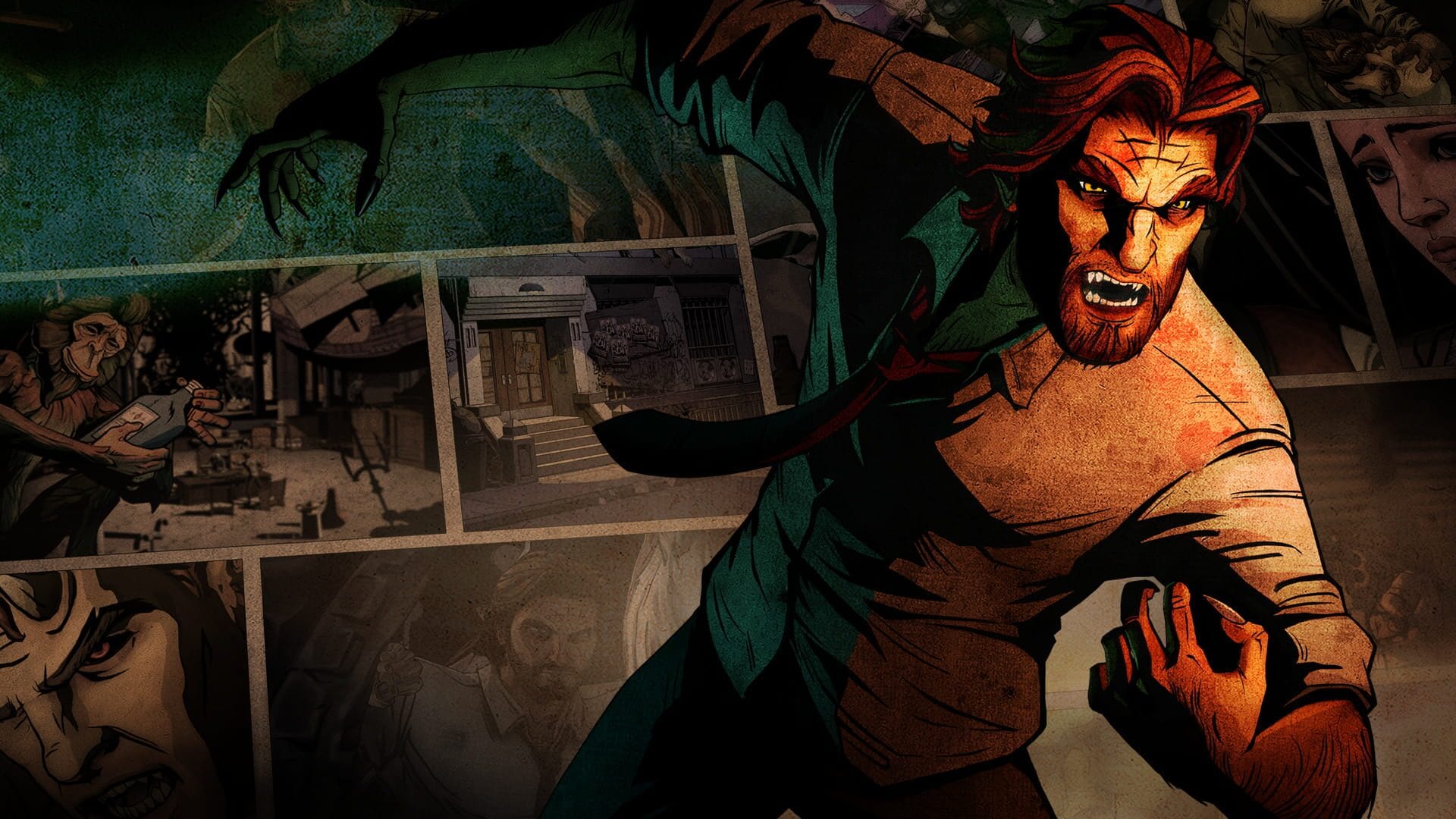
The trailer debuted on October 20 at the ID@Xbox x IGN Showcase, a livestream that covered nearly twenty indie and mid-tier titles headed to Xbox platforms and PC. Among crowded showcases, the slot for Wolf Among Us Remastered landed with some force. Telltale and PM Studios debuted an all-new trailer during the ID@Xbox x IGN Showcase, culminating in the reveal of Bigby Wolf in his redesigned, full werewolf form and offering another glimpse at what awaits when players return to Fabletown on October 29, 2026. The werewolf transformation is not incidental dressing — it is the emotional apex of the original's five-episode arc, a moment the 2013 game made players work toward through choices that accumulated, sometimes against their will, into something resembling consequence. Foregrounding it in the story trailer is a deliberate signal: the remaster is not hiding from the material that made the original matter.
What Has Been Rebuilt
Based on Bill Willingham's Eisner Award-winning Fables comic series, The Wolf Among Us Remastered puts players in the shoes of Bigby Wolf, Sheriff of Fabletown, to navigate a mature detective drama as he investigates a murder that threatens to expose a hidden community of fairytale characters secretly living in 1980s Manhattan. The original was released episodically between 2013 and 2014 for Windows, macOS, PlayStation 3, and Xbox 360. What Telltale produced across those five episodes was something that has proved genuinely difficult to replicate: a noir procedural in which the protagonist's capacity for violence was both a tool and a liability, and in which the player's complicity in that violence was never quite sanitised away.
Rather than simply increasing the game's resolution, the developers have rebuilt character models, created new textures and shaders, and reworked the lighting throughout every scene. Rebuilt for modern platforms, Fabletown returns with enhanced environments, improved character fidelity, animation and audio upgrades, alongside a new Noir Mode that transforms the acclaimed thriller into a classic black-and-white experience. The Noir Mode is the addition that deserves the most scrutiny — and the most credit. At the press of a single button, the game switches to a black-and-white palette with hand-tuned contrast and deep shadows. That is not a filter. It is a complete recontextualisation of the art direction, one that leans into the Fables comic's own debt to hardboiled illustration and plays the environment as atmosphere rather than backdrop.
The other major addition is harder to quantify until the game ships. Bonus content includes five fully playable Lost Scenes, an art gallery containing more than 100 images, and over an hour of developer interviews. One of those deleted scenes shows a completely different outcome of the fight with the Woodsman: the protagonist has to hide the body of his defeated enemy in a panic and deflect the suspicions of the arriving police. That scene, if it plays the way its description implies, is not a cut sequence restored for completeness. It is an alternate moral universe that the original development process excluded. How those scenes sit inside the existing episodic structure — whether they feel integrated or appended — will be one of the critical questions when reviews land.
Platforms and Pricing
The 29 October 2026 launch date remains intact for the PlayStation 5, Xbox Series X|S, Xbox One, and PC versions. The PC release covers Steam and the Epic Games Store. Telltale has delayed the Nintendo Switch version past its planned 29 October release, confirming the delay in a post on X on 16 October 2026. The remaster arrives for $24.99, with launch discounts for new players and further discounts for owners of the original. A free demo with the complete first episode, "Faith," is live as part of Steam Next Fest and runs through October 26. That is an unusually confident move — episode one is the game's strongest argument for itself, a tight, brutal forty-minute case that establishes tone, character, and stakes with efficiency most full-price releases cannot match.
The pricing and platform strategy is legible as a statement of intent. At $24.99, Wolf Among Us Remastered is not positioning itself as a definitive-edition cash extraction. It is asking for a relatively modest buy-in from an audience that may include players who were teenagers when the original launched and adults who have never played a Telltale game. The sequel, The Wolf Among Us 2, is currently scheduled for 2027, which means the remaster is also functioning as a platform primer — a way of populating the franchise's audience before the continuation arrives.
The Audience Problem
The structural question that the story trailer cannot answer is whether the genre still has its constituency. Telltale's original run of narrative adventure games — The Walking Dead (2012), The Wolf Among Us (2013), Tales from the Borderlands (2014) — coincided with a moment when choice-driven games felt genuinely transgressive. The original Telltale collapsed in 2018 under the weight of overextension and mismanagement, and its revival under LCG Entertainment has been methodical rather than triumphant. The audience that made Bigby Wolf a genre milestone has since been diffused across a decade of open-world RPGs, narrative shooters, and streaming television that has absorbed many of the same character-drama instincts the original game pioneered.
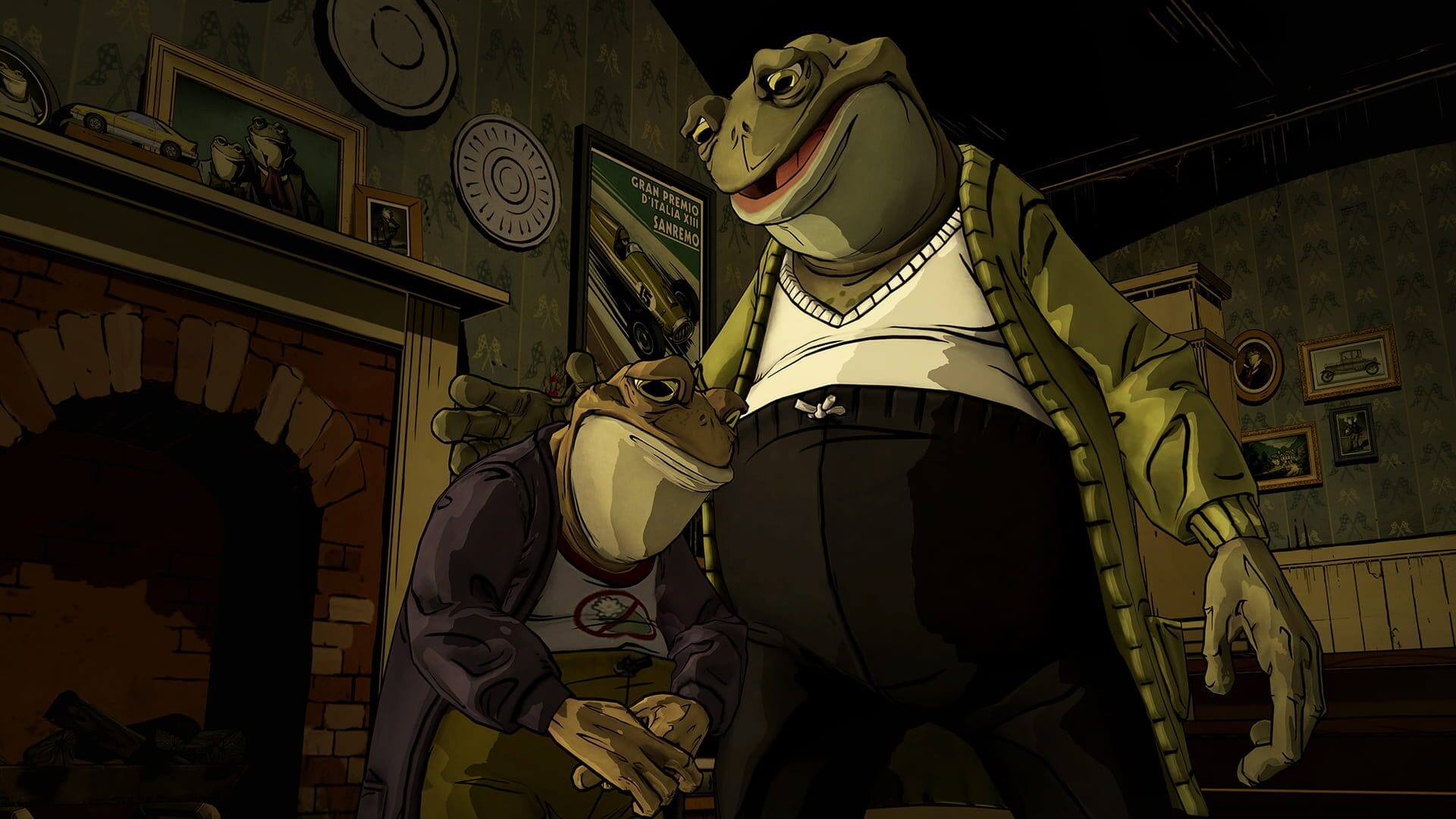
This is not a problem unique to Fabletown. The broader question of whether a beloved but dated work can find a new audience without fundamentally reinventing itself is one the games industry is testing across multiple fronts simultaneously. The recently released Tales of Eternia Remastered faces an analogous pressure: whether twenty-five-year-old design logic can survive contact with a contemporary playerbase that has never had to navigate its particular constraints. The answer in both cases is probably the same — it depends on how willing a new player is to engage on the work's own terms, rather than against the terms of everything released since.
For Wolf Among Us, the terms are specific. The game's choices do not branch radically; they shade interpretation. Bigby is always a monster in some register — the question is which kind, and how self-aware. That narrowness, which frustrated some players in 2013, is also what gives the writing its precision. A remaster cannot change the architecture of the decision tree, but it can change the quality of the material surrounding it. Game director Matt Saia explained in an interview published by PlayStation: "We wanted to honor the Telltale legacy. This is a classic title, and it needed a respectful update." Respectful is the operative word. There is no indication that Telltale has attempted to modernise the pacing, re-score the logic of its choices, or adjust the episodic structure to suit players who prefer to consume narrative games in single sessions. The remaster is a restoration, not a renovation.
What October 29 Is Actually Testing
The story trailer's closing shot — Bigby mid-transformation, glowing eyes, the implication of something enormous and barely contained — is the right image to end on. The werewolf form is what the game's moral system has always been building toward: the acknowledgment that the sheriff of Fabletown is not, and has never been, entirely civilised. That the remaster chose to foreground this in its showcase appearance rather than lead with the safety of nostalgia suggests Telltale understands what the original was actually about.
Whether that understanding translates into sales and cultural traction is a different matter. Xbox's current market position means that the ID@Xbox platform carries more pressure than it once did as a launchpad for mid-tier games seeking discoverability. A remaster of a thirteen-year-old detective adventure, however well executed, must compete for attention in a month dense with releases. The free demo is the most honest argument Telltale can make: here is the first hour, unmediated, at no cost. If that hour does not close the deal, enhanced shaders and restored deleted scenes will not close it either.
October 29 is, appropriately, four days before the date Fabletown first opened its doors in 2013. Bigby Wolf arrives for the second time wearing newer clothes and carrying scenes that were cut before anyone could see them. Whether that is enough to matter in 2026 is the only question left that the trailer does not answer.