The moment Star Wars Zero Company (2025) was announced with a confirmed turn-based tactical framework and a development team stacked with ex-Firaxis talent, the conversation inside the industry shifted. Not because Star Wars had never attempted the genre — it had, sporadically and without conviction — but because nothing in this IP's recent gaming history had been handed to people whose entire professional identity is built around making difficult, systemic, squad-level combat feel like literature.
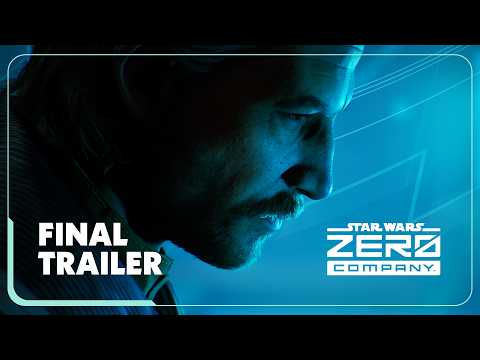 Official trailer
The Firaxis Lineage and Why It Matters
Firaxis Games built two of the most influential tactical franchises of the last two decades. XCOM: Enemy Unknown (2012) and its successor XCOM 2 (2016) didn't just revive a dormant genre — they redefined the emotional stakes of turn-based combat, making permadeath feel like genuine grief and procedural maps feel like authored tension. The developers behind Zero Company carry that DNA. This isn't a marketing lineage claim; it is a design philosophy inheritance, and design philosophy is what separates a tactical game from a tactical experience.
What Firaxis understood — and what the team at Bit Reactor, the studio leading development alongside Respawn Entertainment, appears to understand — is that the turn-based format is not a compromise. It is not what you build when you cannot afford the physics budget for a shooter. It is a medium for consequence. Every action taken in a grid-based engagement is a sentence in an argument. That argument, over fifteen hours, becomes a story the player co-authors. Star Wars has rarely trusted players with that kind of authorship.

The Clone Wars Setting as a Design Decision
Setting Zero Company during the Clone Wars era is not nostalgia arbitrage. It is structurally intelligent. The Clone Wars — the conflict that runs beneath Star Wars: Episode II – Attack of the Clones (2002) and Star Wars: Episode III – Revenge of the Sith (2005) and saturates the animated series of the same name — is defined by moral ambiguity, chain-of-command tension, and the systemic machinery of institutional violence. These are exactly the thematic registers that turn-based tactics games are built to explore.
A squad of soldiers operating on contested ground, with limited resources and incomplete information, is not a Star Wars conceit — it is the foundational premise of the genre. The Clone Wars setting doesn't require the developers to sand down the fiction to fit the format. The fiction and the format are isomorphic. That alignment is rare, and it suggests the project was conceived with unusual creative intentionality.
What the Star Wars Gaming Slate Has Been Missing
The modern Star Wars gaming portfolio has been curated around accessibility and spectacle. Star Wars Jedi: Fallen Order (2019) and Star Wars Jedi: Survivor (2023) delivered handsome, competent action-adventure experiences that trusted the Soulslike vocabulary enough to borrow its difficulty spine. Star Wars Outlaws (2024) aimed for open-world breadth. Both directions serve existing audiences. Neither asks those audiences to sit with a decision for ninety seconds before executing it.
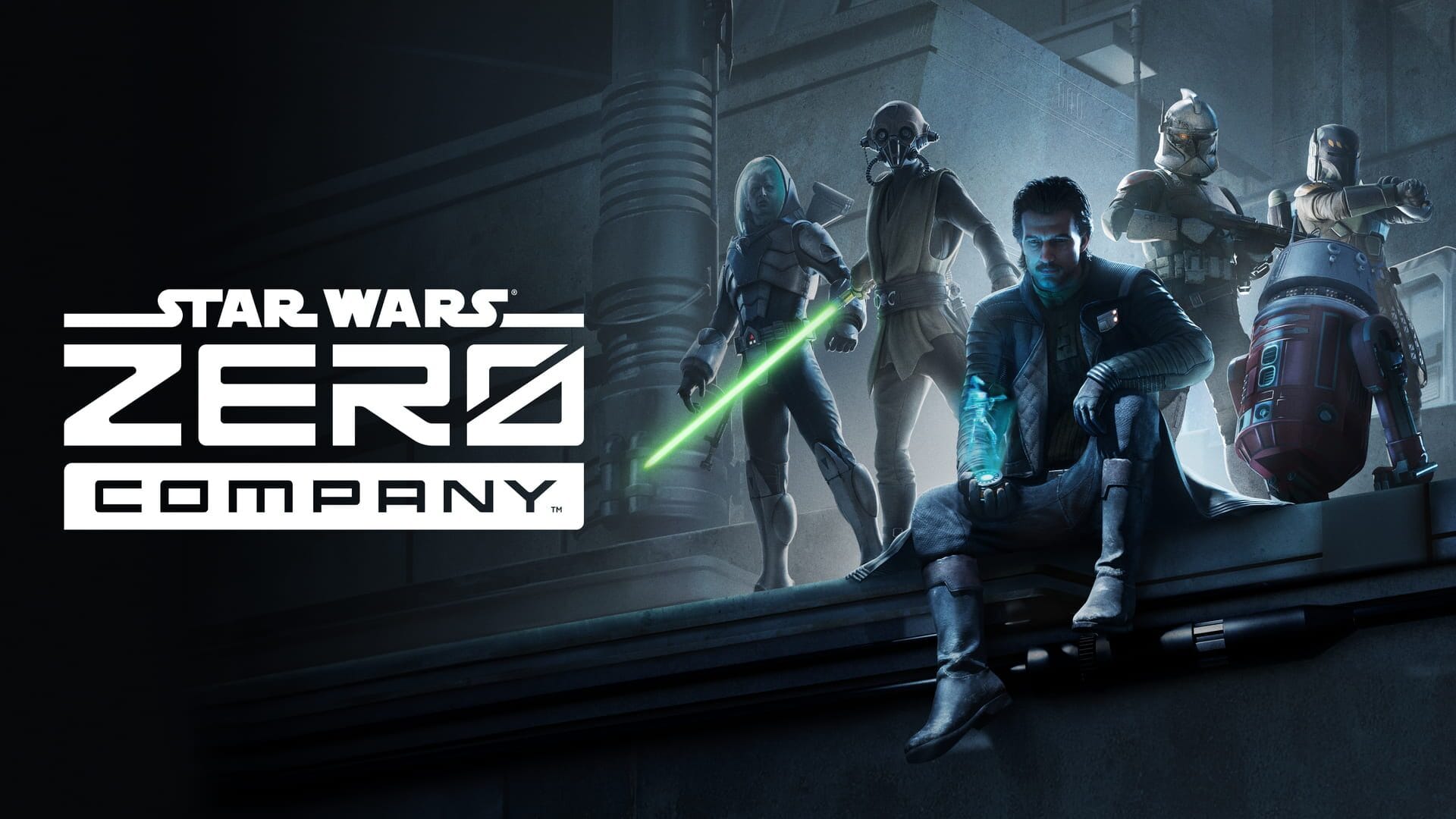
That patience — that deliberate, turn-by-turn reckoning — is what Zero Company introduces to the slate. And it matters beyond genre diversity. Tactical games attract a segment of the player base that tends toward deep engagement, high completion rates, and sustained community investment. They are not blockbuster launches; they are catalog titles with long tails. For a franchise managing IP fatigue as carefully as Star Wars must, that kind of audience relationship has compounding value.
The Signal Beneath the Announcement
Lucasfilm Games licensing Zero Company into existence — with this team, in this genre, with this setting — reads as a considered risk rather than an accidental one. The franchise is signaling that it understands genre credibility as a form of IP credibility. Handing one of the most demanding tactical pedigrees in the industry a Star Wars canvas is not a hedge. It is a thesis statement about where prestige gaming sits in the franchise's long-term strategy.
Whether Zero Company delivers on that thesis depends entirely on execution — on whether the squad systems feel irreversible, whether the narrative earns its wartime weight, whether the Clone Wars backdrop is used as texture or as argument. But the fact that the question can even be asked in this register, of a Star Wars title, is itself the news. The franchise is finally willing to be judged by niche standards. That is not a small thing. Kynari's companion piece digs into whether Lucasfilm has the patience to actually see that gamble through.