Lucasfilm Games has spent the better part of a decade reasserting creative control over Star Wars interactive media, and the results have been uneven. The Jedi series proved that a cinematic action-adventure could carry the weight of the IP. Battlefront II (2017) remains a cautionary tale about live-service extraction dressed in nostalgia. What the portfolio has never seriously attempted — until now — is a genre built on deliberation, consequence, and systemic depth. Star Wars Zero Company changes that calculus, and the implications run well past the game itself.
The Pedigree Is the Argument
Star Wars Zero Company is being developed by Bit Reactor, a studio founded by Greg Foertsch and other veterans of Firaxis Games — the house responsible for XCOM: Enemy Unknown (2012) and XCOM 2 (2016). That lineage is not incidental. It is the entire structural argument for why this game deserves to exist. Bit Reactor isn't approximating the tactics genre from the outside; its principals spent years defining what modern turn-based strategy feels like at a mass-market level. The question isn't whether they can build a competent tactics game. The question is whether the Star Wars apparatus will let them build an uncompromised one.
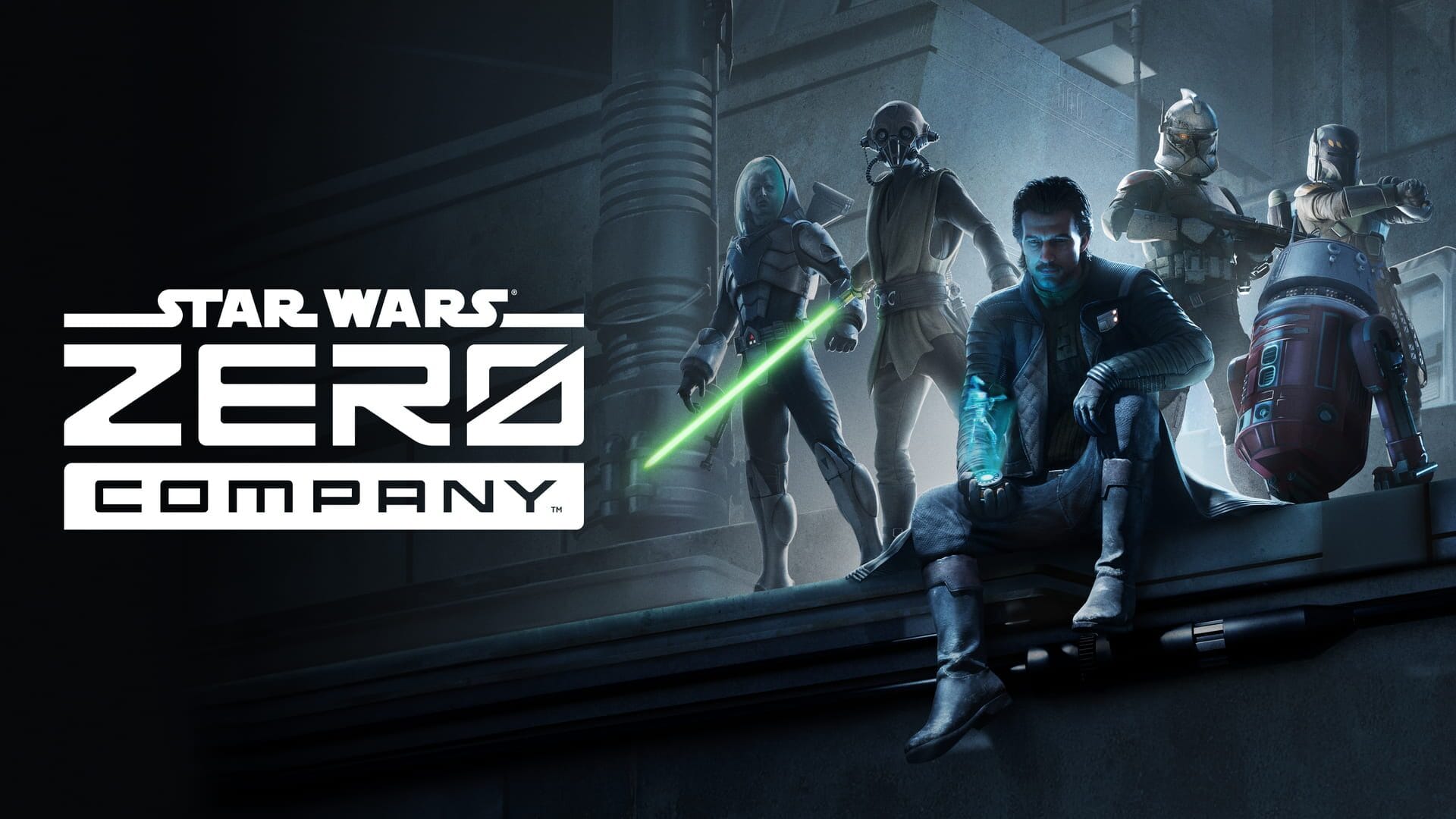
The Clone Wars setting sharpens that question. This is a period in Star Wars lore that has always rewarded moral complexity — clone soldiers as disposable instruments of a corrupt Republic, Jedi generals stretched thin across a galaxy-wide conflict they didn't choose and cannot win cleanly. It is, structurally, ideal ground for a tactics game. Permadeath carries weight when soldiers have identities. Resource scarcity feels meaningful when the war effort is visibly grinding. The setting and the genre are genuinely well-matched, which makes the project either prescient or dangerously reliant on Lucasfilm's willingness to honor that darkness.
What the Genre Demands That Star Wars Has Historically Resisted
Turn-based tactics games live and die by friction. The genre's emotional core is investment in units that can be lost, decisions that cannot be reversed, and systems that punish complacency. That is a fundamentally different value proposition than the one Star Wars has sold for decades — which is empowerment, momentum, the reassurance that the hero survives. Jedi: Fallen Order (2019) and Jedi: Survivor (2023) both flirted with difficulty but never structurally committed to player failure as a narrative tool. Zero Company, if it honors the XCOM model, must commit to exactly that.
The tension is institutional as much as creative. Lucasfilm has approval authority over narrative content, and historically that authority has trended toward brand safety. A tactics game that kills named Clone Wars characters, that lets a campaign spiral into disaster through player error, that withholds the satisfying resolution — that is a hard sell internally even when it is the correct creative decision. Bit Reactor's reputation is built on games that respect failure. Whether that reputation was sufficient leverage in closed-door conversations with Lucasfilm is something only the shipped product will answer.
Genre Identity as Franchise Infrastructure
The deeper stakes of Star Wars Zero Company are infrastructural. Marvel, as a comparable IP ecosystem, has demonstrated that a franchise can sustain multiple genre identities simultaneously — prestige television, cosmic spectacle, street-level thriller — without each entry undermining the others. Star Wars has struggled to achieve that plurality in games. The action-adventure lane is established. The open-world template has been gestured at. The tactics lane has not existed until now.
If Zero Company performs — critically, commercially, and in terms of audience retention — it legitimizes an entire category of future Star Wars game development. It signals that the IP can support players who want to think, not just react. It creates a precedent for systemic storytelling inside a franchise that has often treated games as extended marketing rather than standalone artistic propositions. That is a meaningful shift, assuming it lands.
If it underperforms, the lesson Lucasfilm is likely to draw is the wrong one — that Star Wars and turn-based strategy are incompatible, rather than that the execution or the marketing or the institutional interference failed the concept. That misdiagnosis would be the more damaging outcome, and it is not an unlikely one.
The Test Worth Watching
Star Wars Zero Company arrives as a genuine experiment inside a franchise that has historically preferred proven templates. Bit Reactor has the craft. The setting has the thematic potential. What remains unresolved is whether Lucasfilm has the patience to absorb a game that asks more of its audience than any Star Wars title has previously attempted — and the discipline not to sand down the edges that make the genre worth playing in the first place.
That is the test. Everything else is marketing. It is the same test Ahsoka Season 2 is facing on the television side — whether Lucasfilm backs ambition with follow-through, or retreats toward safer, more conventional franchise beats.