There is a moment in almost every James Gray film when the city stops being a backdrop and becomes a verdict. A fire escape glimpsed from the wrong side of ambition. A taxi ride that lasts too long. A family dinner where nobody says the thing that matters. Paper Tiger (2026) opens in select theaters this weekend via Neon, and it carries that same suffocating pressure — only this time the city is not staging a fiction. It is staging Gray's own life.
 Official trailer
The Film Stage's Cannes review described the film as "masterfully measured" and "quintessentially subtle," language that cuts straight to the bone of what makes Gray divisive. His cinema is not engineered for easy yield. It accumulates. It withholds. For some critics, that restraint is the point; for others, it is the problem.
Queens, 1986, and the Smell of the Gowanus Canal
Set in 1986 Queens, the film stars Adam Driver as Gary Pearl, a swaggering former cop who persuades his younger brother Irwin (Miles Teller), an engineer and family man, to participate in a lucrative business opportunity involving Russian mobsters. As they try to navigate their way through the dangerous world of the Russian mafia, family bonds begin to fray with life-altering consequences — and Johansson plays Hester, Irwin's wife and the mother of his two children.
In an interview with Rolling Stone, Gray put the film at about ninety percent autobiographical, compared with ninety-eight percent for his earlier Armageddon Time (2022). In fact, Paper Tiger was originally developed as a kind of continuation of Armageddon Time, drawing on the filmmaker's family history and his parents' struggles with financial ambition, legal troubles, and terminal illness. The finished film, however, expands those autobiographical foundations into a broader tragedy about the American Dream and the terrible results of believing good intentions are enough.
Gray has explained that Driver's flashy uncle character is a composite of his own uncle and one of his father's business partners. Gray has also noted that he long suspected toxic industrial contamination in Queens contributed to his mother's condition, prompting him to weave the canal cleanup into the central storyline. The Gowanus Canal, that notorious superfund site, is where the scheme begins — an almost too-perfect metaphor for the film's thematic obsessions: American progress built on something poisonous running underneath.
The Road to Theaters
The film had been widely expected to make the cut when Cannes chief Thierry Frémaux unveiled the official selection, but was left off the initial lineup. Frémaux told Variety he was hopeful the film would be added at a later stage, describing it as "a wonderful film, a very James Gray film, very indie." It was eventually confirmed as a late addition to the competition, competing for the Palme d'Or.
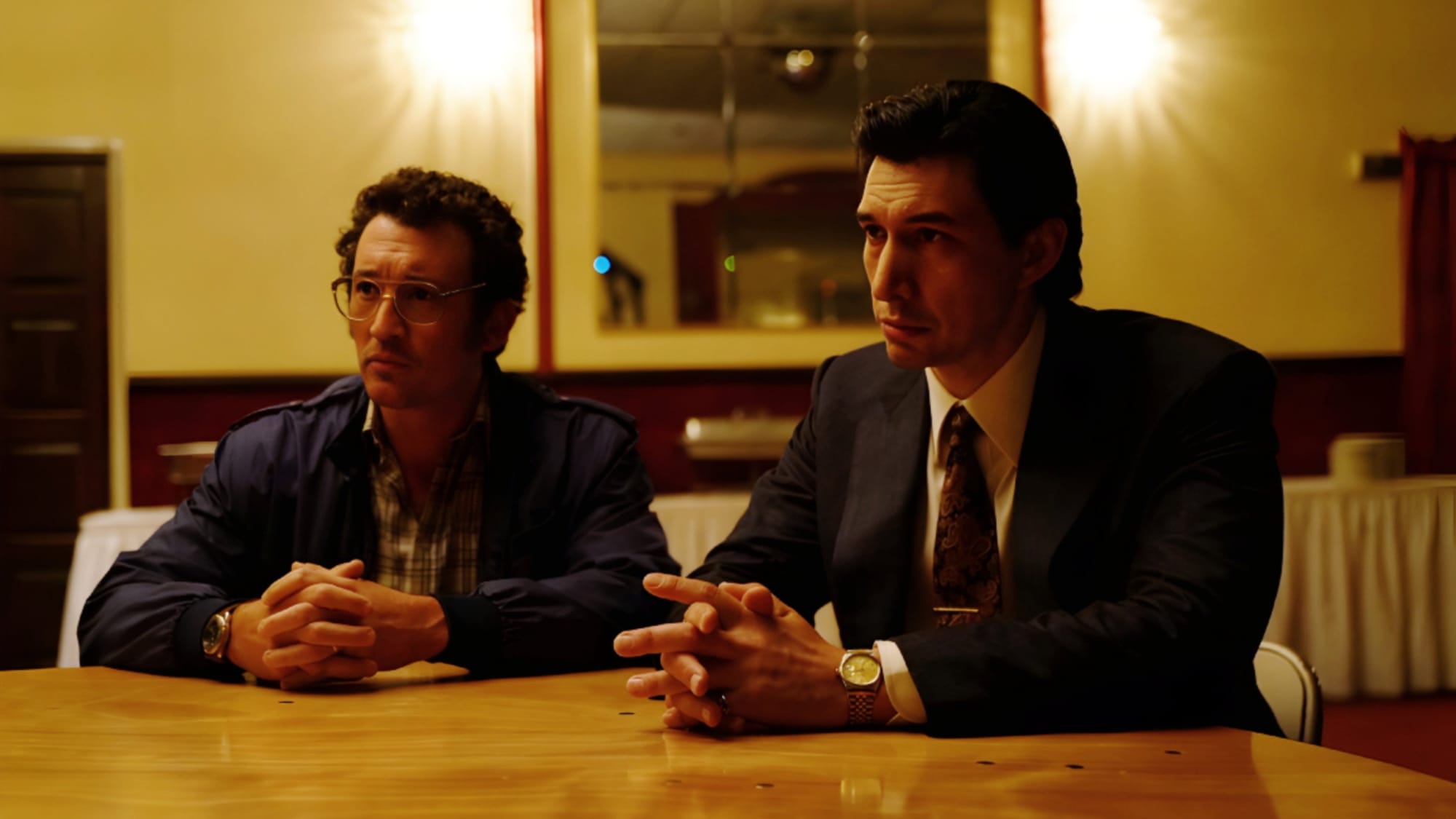
Gray's Paper Tiger, the biggest American film in that year's Hollywood-lite Cannes Film Festival, debuted on Saturday night to a spirited, six-minute standing ovation. Gray told The Hollywood Reporter ahead of the film's premiere that "the intention was to try to make a very classical drama." The gesture — classical drama, modest budget, deeply personal source material — frames the entire enterprise. This is a filmmaker deliberately scaling down after the studio spectacle of Ad Astra (2019), pulling back toward the borough-level tragedies where his instincts are sharpest.
Following its Cannes debut, Paper Tiger opened the 64th New York Film Festival in its North American premiere on September 25. NYFF Artistic Director Dennis Lim described it as "a career-best achievement," calling the film "a movie of immense emotional power, at once lovingly realistic and grandly mythic." Neon then set the film for a limited release on November 13, with a nationwide expansion the following week on November 20.
Neon, after all, released past Palme d'Or winners Parasite, Titane, Triangle of Sadness, Anatomy of a Fall, Anora, and It Was Just an Accident stateside. With Paper Tiger, the distributor is once again positioning itself as the pipeline through which serious festival cinema reaches American audiences — and doing so at the opening of the awards season window, positioning the starry drama in the kickoff of awards season.
The Cast and the Budget
Starring Adam Driver and Scarlett Johansson in their first film together since Noah Baumbach's Marriage Story alongside Miles Teller, Paper Tiger premiered at this year's Cannes Film Festival. The reunion of Driver and Johansson is itself a kind of event: two performers who have spent the intervening years accumulating capital — Driver as prestige cinema's go-to anchor, Johansson as one of Hollywood's most bankable names returning to smaller-scale work — reuniting under a director who has never been particularly interested in star machinery as such.
In May 2026, Gray confirmed the film had a $15 million budget. The film cost $15 million, pieced together from so many backers that 24 executive producers are credited. That financing structure — a co-production between the United States, Brazil, and Italy, assembled from dozens of partners — is itself a symptom of the mid-budget crisis in American cinema. Films of this register, neither franchise product nor true micro-indie, survive only through increasingly elaborate international patchwork. That Paper Tiger exists at all, let alone at this cast level, is something close to a minor industrial miracle.
The Divided Critical Room
At the time of writing, the film sits at 85% on Rotten Tomatoes from 114 reviews. That number, however, flatters the consensus. The score masks genuine friction — not about craft, which is essentially uncontested, but about whether Gray's precision ultimately adds up to something that moves, or merely something that is well-made.
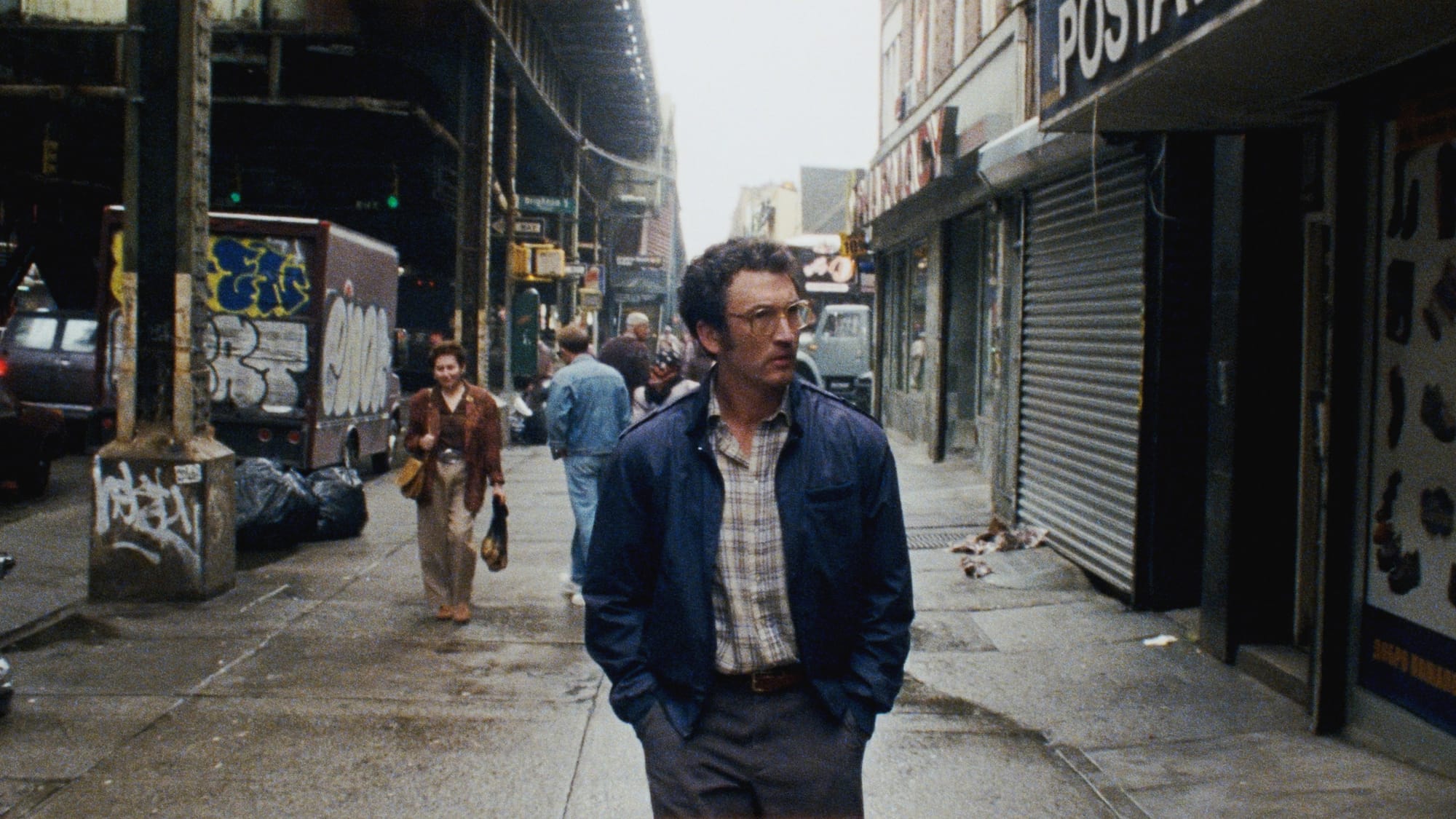
Screen Anarchy's review was broadly positive, situating the film within Gray's larger project of boroughs-as-battleground: with Paper Tiger, Gray channels the spirit of his previous work to fascinating and definitive ends, with all of the extravagance of his earlier oeuvre perfecting the kind of film he originally set out to make. The film has been framed as an ur-text, linking everything from Little Odessa to Armageddon Time as part of a truly grand oeuvre — striving, failure, family, a tapestry of binding ties woven across the boroughs.
IndieWire's David Ehrlich gave it an A, calling it "a story about a household gripped by a self-inflicted event that chokes the life out of its lungs," and arguing that precious few films have better conveyed what it feels like when the oxygen gets sucked out of a home without any hope of coming back.
Not everyone agreed. While Paper Tiger was one of the most highly anticipated films at Cannes, Variety's Owen Gleiberman gave it a mixed review, writing that the film "adds up on paper" and expressing ambivalence about its construction. Film Festival Today gave it one out of five stars, with its critic writing that the central plot, set in the seedy 1980s New York City underworld where the Russian mafia is making serious inroads, fails to deliver basic thrills. Other assessments landed somewhere in the middle: a very Gray movie, romantic and old-fashioned, sometimes overly serious, with a first half stronger than a middle that gets bogged down in melodrama.
Capstone, Not Comeback
The language of "comeback" has followed Gray since Armageddon Time (2022), which earned largely warm notices but failed to convert the broader industry. Paper Tiger reframes that narrative. Having previously examined his formative years in Armageddon Time, Gray views Paper Tiger as the culmination of his autobiographical exploration. Gray himself has stated that he will "go back to doing stuff that's outside of the realm of my autobiographical experience probably on the next film," explaining that he is "simply trying to express where I am emotionally with each film."
That framing is crucial. Gray has once again won no awards at Cannes — he hasn't won a single thing there in the last 25 years, despite screening six films in competition. And yet the arc of his career — from his directorial debut in 1994 at age 25 with Little Odessa, winning the Silver Lion at the Venice Film Festival, through the Joaquin Phoenix collaborations of the 2000s, through the studio diversion of Ad Astra, and back to Queens — has the shape of a completed sentence. Paper Tiger does not feel like a director reaching for something he hasn't yet found. It feels like a director closing a chapter he has been writing for thirty years.
The question is whether that kind of completion translates to general audiences arriving in theaters this weekend, or whether it remains — as much of Gray's work has — a critical conversation happening slightly above the commercial waterline. Neon is hoping Paper Tiger can finally break Gray's Oscar curse. Whether the Academy, and the audience, are finally ready to meet him where he lives — literally, in 1986 Queens, in the middle of a scheme that was always too good to be true — is the only question left that the film itself cannot answer.
For coverage of other major theatrical releases competing for attention this season, see our piece on Farrelly's I Play Rocky opening wide and our analysis of David O. Russell's return with Madden, another filmmaker whose reemergence arrived into a complicated critical room.