Nintendo doesn't celebrate anniversaries. It weaponizes them. The September 9th Nintendo Direct — arriving precisely as The Legend of Zelda crossed its fortieth year — wasn't a retrospective. It was a consolidation move dressed in nostalgia, and it landed with the precision of a company that knows exactly how soft the ground is beneath its rivals' feet.
The Reveal That Reframed Everything
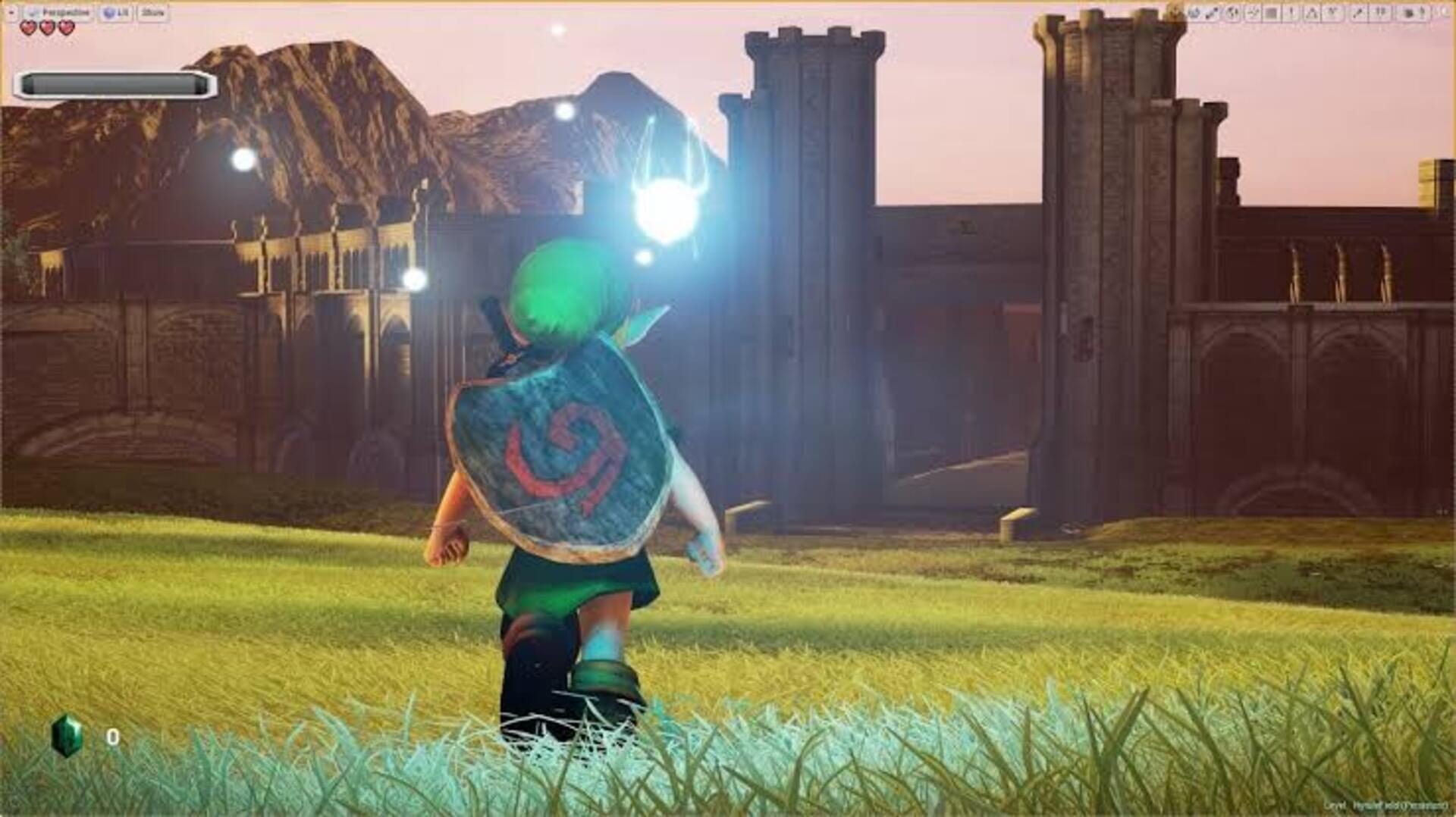
The centrepiece was the Ocarina of Time (1998) remake — not a remaster, not a port with upscaled textures, but a ground-up reconstruction confirmed for Nintendo Switch 2. The distinction matters enormously. A remaster is a library product. A remake is a platform argument. By choosing to rebuild the game most frequently cited as the greatest of all time, Nintendo isn't selling nostalgia to people who remember 1998; it's selling legitimacy to everyone who missed it and has been waiting for a reason to care about Switch 2 beyond its hardware spec sheet.
The timing is surgical. Sony's PlayStation 5 Pro launched into a market already exhausted by its own content drought. Microsoft's first-party slate remains so thin that Xbox Game Pass is functionally the product now, not the console. Both platforms are bleeding from a version of the same wound: launch congestion followed by release-calendar anemia. Nintendo read the room and scheduled its biggest IP moment for the exact quarter when its competitors have the least to say.
The Live-Action Signal
Equally significant was the title drop for the live-action The Legend of Zelda film — a project whose existence has been known in outline but whose formal naming within a Direct devoted to Switch 2 software is not an accident of scheduling. Nintendo is drawing a deliberate line between its gaming ecosystem and its expanding media footprint, and it wants that line to run through the same cultural moment. The film functions as ambient advertising for the platform: every piece of coverage the movie generates is coverage that mentions Switch 2 by proximity.
This is the playbook The Super Mario Bros. Movie (2023) proved viable. That film grossed over $1.3 billion globally and demonstrably lifted Nintendo hardware sales in its theatrical window. The lesson Nintendo took wasn't simply that IP translates to cinema — it was that cinema translates back to hardware. The live-action Zelda announcement inside a platform Direct is Nintendo collapsing the distance between those two feedback loops into a single event.
Legacy as Infrastructure
What makes this Direct structurally different from a standard software showcase is that Nintendo is using legacy IP not as a comfort blanket but as load-bearing architecture. Ocarina of Time carries forty years of critical consensus behind it. Its remake doesn't need to prove itself — it arrives pre-legitimized, and it transfers that legitimacy to the machine it runs on. For a Switch 2 still working to differentiate itself beyond incremental performance gains, that transfer of authority is worth more than any benchmark.
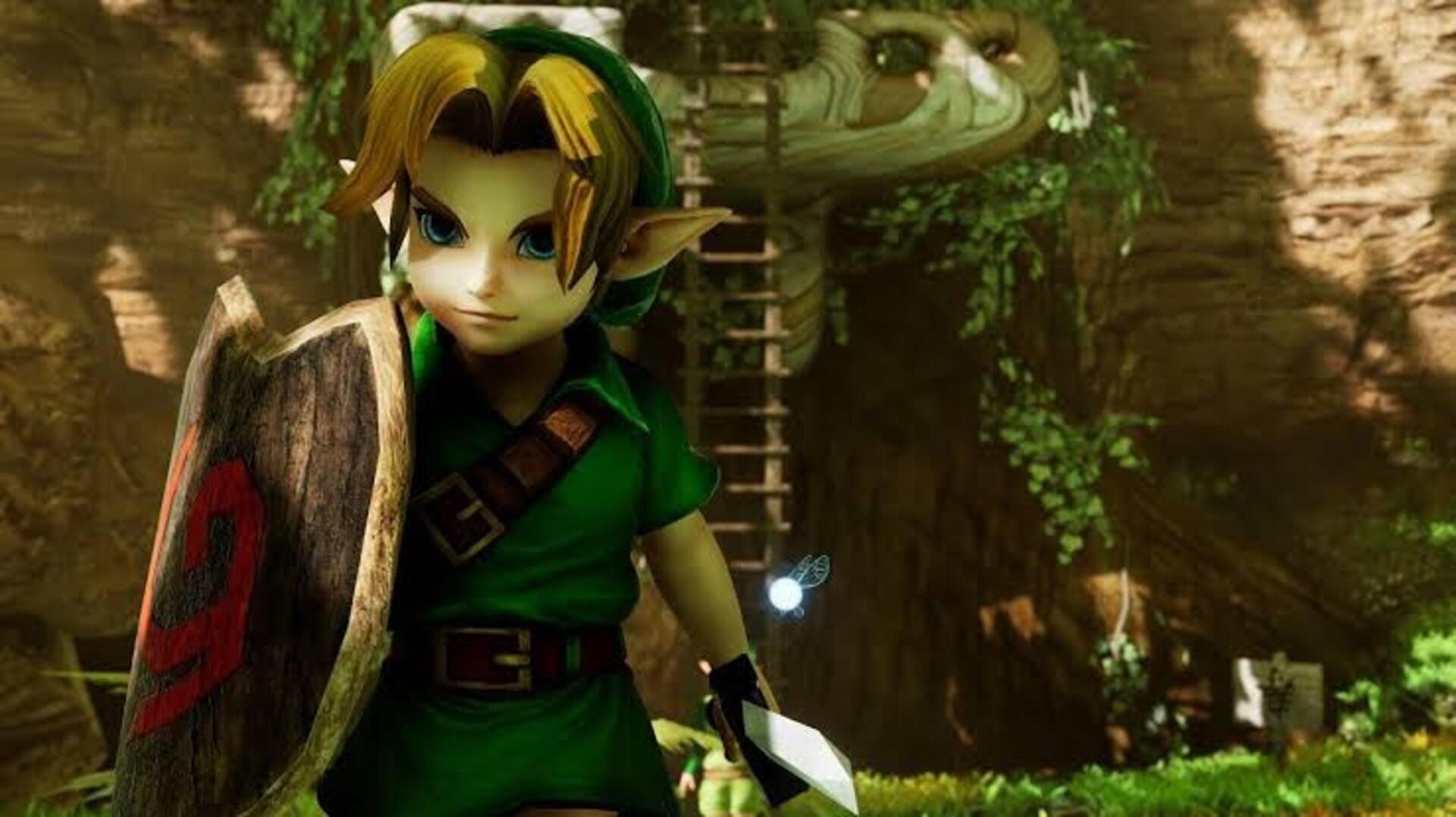
There's also a generational calculus at work. The players who were children in 1998 are now in their mid-thirties — the demographic with disposable income, nostalgia debt, and the precise life circumstances that make a $70 remake feel like a reasonable emotional expenditure. Nintendo is not chasing new audiences with this announcement. It is activating a dormant one, and it is doing so on a platform that needs them.
What the Competition Missed
The deeper strategic point is one of timing discipline — something neither Sony nor Microsoft has consistently demonstrated in the post-pandemic hardware cycle. Nintendo held. It chose a fortieth anniversary, a cultural milestone with built-in press gravity, and a competitor landscape at its most distracted. The September 9th Direct didn't succeed because Ocarina of Time is beloved. It succeeded because Nintendo understood that the most powerful platform statements are never really about the platform.
They're about making the alternative feel unthinkable. On that count, the Direct delivered exactly what it intended — the same instinct Kynari traced back to the cartridge that saved Nintendo in the first place.