There is a particular kind of cultural erasure that happens when a mobile game dies. No servers, no saves, no record of the hundreds of hours a player may have surrendered to its pull economy. The game simply stops existing — not in the way a console title goes out of print, but in the way a sandcastle goes out of existence. Square Enix, a company that has built an empire on the permanence of its mythologies, is now attempting something that the industry has rarely tried with any seriousness: it wants to reach into that erasure and pull something back out.
 Official trailer
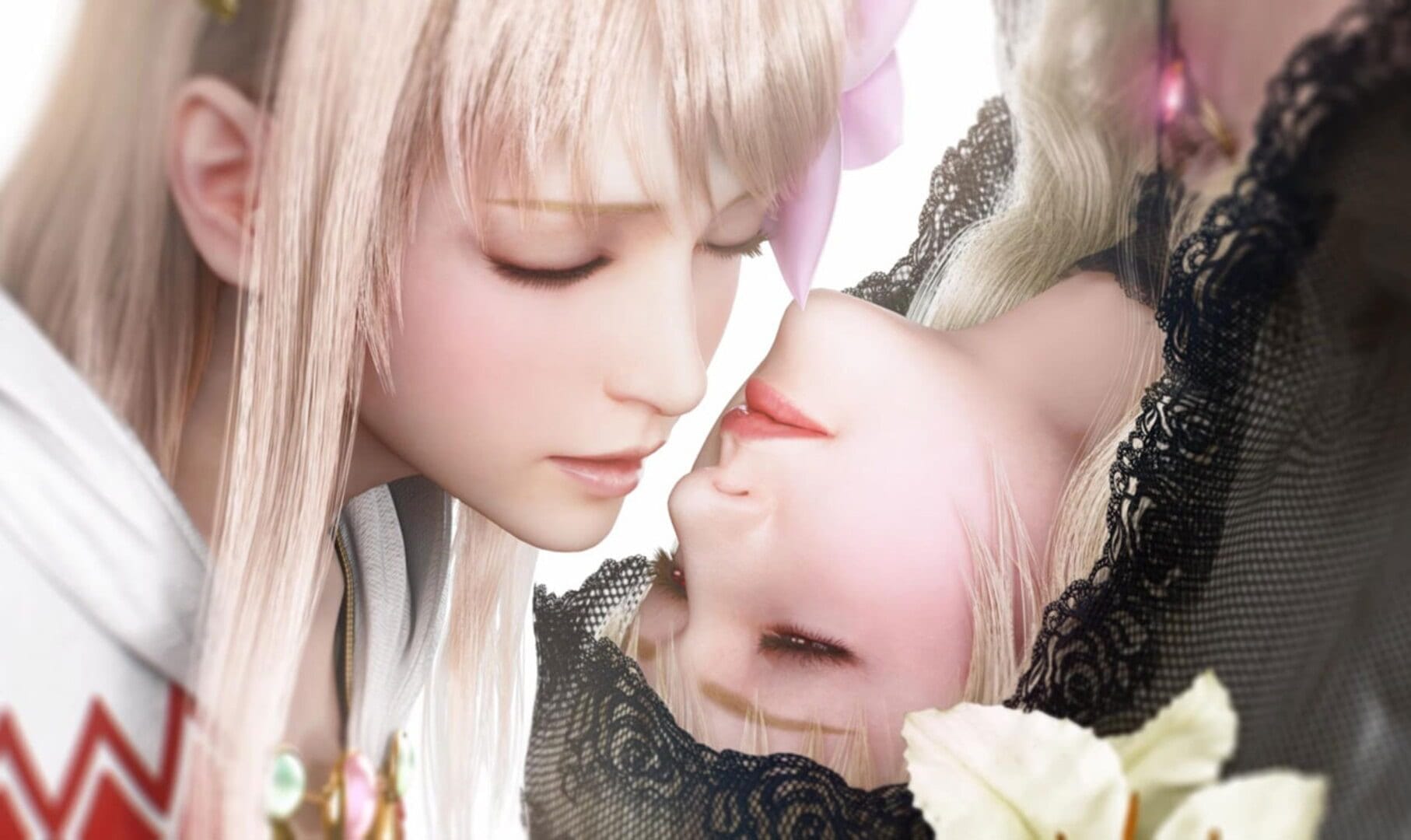
Final Fantasy Resonance is positioned as a standalone HD-2D RPG rooted in the world and characters of Final Fantasy Brave Exvius (2016), the gacha title that ran for the better part of a decade before its global servers shut down in 2024. The announcement carries all the hallmarks of a Square Enix prestige project — the layered pixel art and volumetric lighting that have made the HD-2D engine synonymous with a certain kind of calculated nostalgia, an original narrative that gestures toward emotional weight, and marketing language carefully positioned to emphasize that this is, emphatically, a real game. A premium game. A game you pay for once and own.
That last distinction is doing an enormous amount of work.
The Mobile Graveyard Has No Monuments
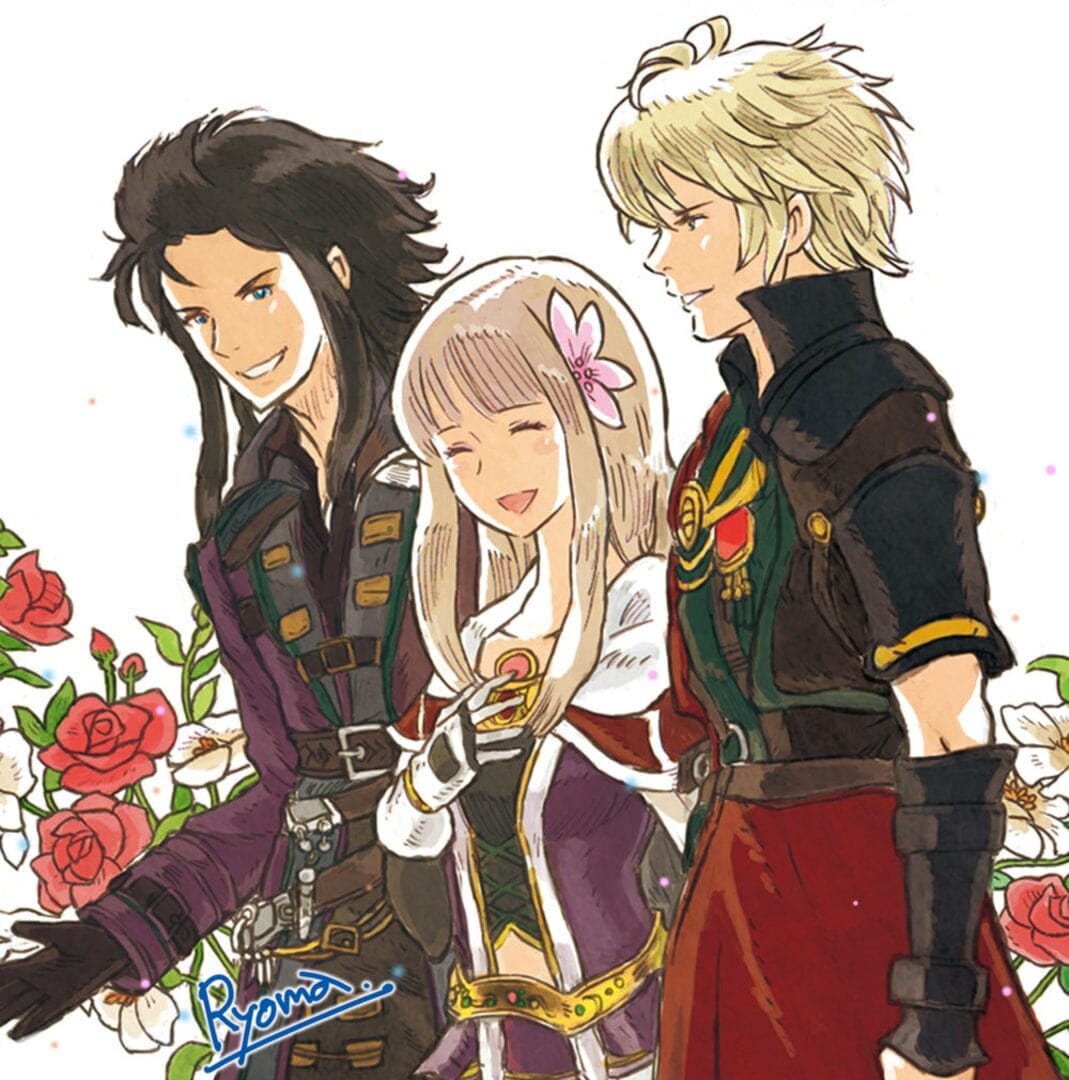
To understand why Final Fantasy Resonance is a genuinely strange proposition, it helps to understand what Brave Exvius actually was and what its closure meant. At its peak, the game accumulated tens of millions of downloads globally and operated as one of the more financially successful entries in the Final Fantasy mobile portfolio. It had a story — a surprisingly earnest one, built around original protagonists Rain and Lasswell — and it sustained a dedicated community through years of crossover events, limited units, and the slow drip-feed of lore that the gacha format practically mandates. Players invested. Not just money, though certainly money, but identity. The kind of identity that accrues when you follow a serialized narrative across years.
When the servers closed, all of that dissolved. This is the defining condition of the mobile graveyard: the work of engagement leaves no artifact. A player who completed Final Fantasy VII (1997) still has the disc, the save file, the cultural touchstone to return to. A player who reached the endgame of Brave Exvius has a folder of screenshots and a gap in their app library. The asymmetry between the emotional investment extracted and the permanence returned is the original sin of live-service mobile design, and it is the context into which Final Fantasy Resonance is being released.
Square Enix is, implicitly, acknowledging that sin. The rebuild is an admission that the source material had value worth preserving — that Rain and Lasswell and the continent of Lapis constituted something more than a monetization vehicle. Whether that acknowledgment reads as genuine reckoning or as a second attempt to extract value from the same audience depends almost entirely on execution.
What HD-2D Is Actually Selling
The HD-2D aesthetic, first deployed in Octopath Traveler (2018) and subsequently refined across Triangle Strategy (2022) and the Dragon Quest III HD-2D Remake (2024), is not merely a visual style. It is a carefully engineered affect — a deliberate invocation of the Super Nintendo era filtered through contemporary rendering techniques, designed to produce the sensation of memory even in players who have no specific memory to recover. It is nostalgia as infrastructure rather than nostalgia as content.
For a project like Final Fantasy Resonance, this is both its greatest asset and its most significant liability. The visual language immediately communicates premium intent; HD-2D has become, in the span of less than a decade, a reliable signal of Square Enix's serious-game ambitions. It tells the audience that this is not a cash conversion, not a lazy port, not a mobile skin stretched over a console frame. It says: we built something.
But it also says something more uncomfortable. The HD-2D treatment applied to Brave Exvius material cannot help but highlight the distance between what the source was and what the remake aspires to be. Octopath Traveler (2018) and its sequel were conceived for the aesthetic from the ground up. Dragon Quest III had thirty-five years of canonical weight behind it. Final Fantasy Resonance is asking the same visual language to perform a different kind of legitimization — to retroactively elevate IP that was, by design and by the structural logic of the gacha format, disposable. The aesthetic does not erase that origin. It simply makes it more expensive to look at.
Nostalgia for What, Exactly
This is the question that the marketing around Final Fantasy Resonance has not yet answered with any precision. Who, specifically, is the nostalgia targeting?
The former Brave Exvius community is real, vocal, and demonstrably emotionally invested in the source material — but it is also a community that watched its investment evaporate when the servers went dark. Their relationship with Square Enix's mobile division is not uncomplicated. Offering them a premium product built on the bones of what they already lost requires a degree of trust that was not earned for free.
At the same time, Final Fantasy Resonance cannot survive on that community alone. It needs to attract players who never touched Brave Exvius, who have no attachment to Rain or Lasswell, and for whom the selling proposition must be purely forward-facing: a good HD-2D RPG with a compelling story, full stop. That audience exists, and it is large. But that audience also has Octopath Traveler II (2023), Triangle Strategy (2022), and an incoming slate of competitors for their attention. The Brave Exvius heritage is, for them, marketing noise at best and a source of skepticism at worst.
The game is therefore being asked to serve two audiences with fundamentally different needs simultaneously — one that needs rehabilitation, and one that needs a clean introduction. This is not impossible, but it requires a narrative and mechanical confidence that the trailers have only partially demonstrated.
What the Industry Owes Its Graveyards
Zoom out from Final Fantasy Resonance specifically and the project becomes a stress test for a question the industry has been avoiding: what is the obligation, if any, that publishers owe to the communities built on live-service games that are subsequently shut down?
The dominant answer, until recently, has been: nothing. The terms of service are clear. The servers are a courtesy, not a contract. When the economics no longer justify operation, the lights go off and the players are thanked for their patronage. This answer is legally defensible and morally thin, and it has produced a generation of players who engage with live-service titles with one eye permanently on the exit.
A successful Final Fantasy Resonance would not solve this structural problem. It would not establish a precedent that compels publishers to memorialize shuttered games or return value to displaced communities. But it would demonstrate that the creative material produced within the gacha format — the characters, the worlds, the narrative infrastructure — can survive the format itself. That the mobile graveyard is not necessarily a permanent condition but a temporary one, pending the right economic argument for resurrection.
That is a modest kind of hope. Square Enix is not making it out of altruism; they are making it because the IP has residual value and the HD-2D pipeline is operational. But the industry's relationship with its own mobile history has rarely been resolved through altruism. It gets resolved, when it gets resolved at all, through someone deciding that the graveyard contains something worth digging up. The question Final Fantasy Resonance poses — and cannot yet answer — is whether what gets unearthed will be recognized as a treasure or mistaken for a relic.