Capcom did not choose the name by accident. Dragon's Dogma: Dark Arisen (2013) was the re-release that turned a flawed, fascinating open-world RPG into a cult object: it added Bitterblack Isle, a punishing endgame, and the sense that the game had finally become what it was trying to be. Thirteen years later, Dragon's Dogma 2: Dark Arisen arrived this Thursday, October 9, carrying the same title and the same promise. The early reviews say it keeps the first half of that promise beautifully. Whether it keeps the second half depends on what you think Dragon's Dogma was ever for.
What arrived this week
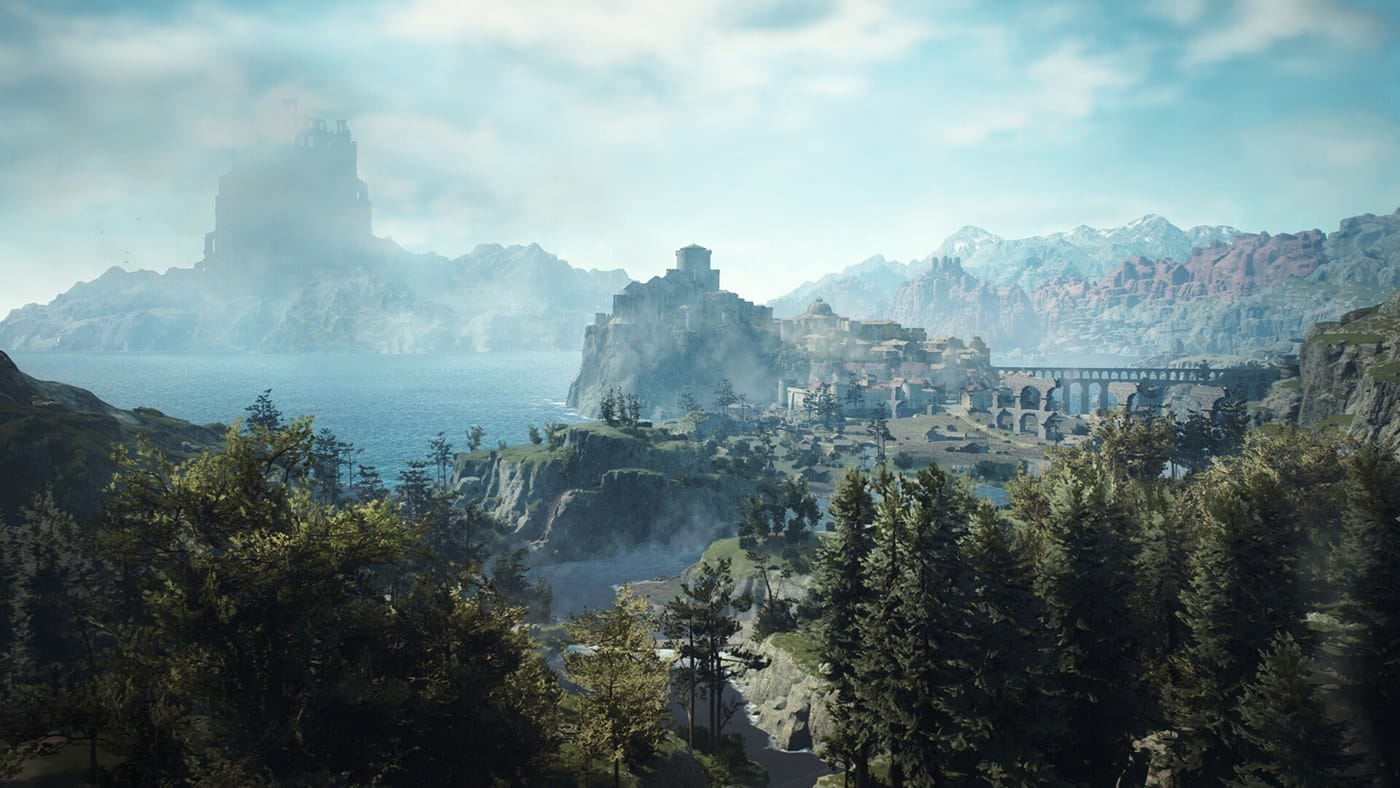
The expansion is out on PlayStation 5, Xbox Series X|S and Steam as a $29.99 add-on for the 2024 base game, and as a $49.99 complete edition that marks the series' first appearance on Nintendo Switch 2, according to Capcom's announcement. It sends the Arisen to Norgan, a long-abandoned frozen region in the north of Vermund, alongside a new companion named Eir, to unravel the secret of an undying Fallen Dragon. It also scatters twelve Lost Rites dungeons across the existing map.
The details reviewers keep returning to are the systems around the region. Blizzards freeze the minimap and make the world map unreliable. The cold demands thermal armor and Heatstones. Enemies drop relics that must be appraised at Norgan's village, feeding a randomized loot system that one critic called ridiculously addictive. There are no new vocations; existing ones grow through perks on gear and permanent unlocks.
The expansion nobody was sure would exist
That this content exists at all is worth pausing on. The base game launched in March 2024 to strong reviews and loud complaints about performance and microtransactions, and series creator Hideaki Itsuno left Capcom later that year. For a while it looked as if Dragon's Dogma 2 would be a single statement with no follow-up. Instead, Capcom spent roughly two years on an expansion and shipped two large free updates before it, including the Eternal Ferrystone that finally makes traversal flexible. Push Square credits director Kento Kinoshita with the project, and its reviewer put the main story and side quests at around fifty hours before the endgame.
That is not a modest add-on. It is the scale of a sequel, sold as a patch for a game many players had already shelved.
Where the critics split
Push Square gave it a 9 out of 10, praising Norgan as a superb setting, a stronger story than the base game, and some of the best boss fights in the series. GamingTrend gave it an 85 and agreed it is a great time, but ended on a warning: in smoothing the experience, the expansion removes much of the friction that defined the base game. Fast travel is frequent, Wakestones are plentiful, the difficulty rarely punishes mistakes, and the story sits at odds with the themes Itsuno built. Most players, the review concludes, will love it; die-hard fans may come away with a bitter aftertaste.
Friction was the point
This is the real argument the expansion opens, and it goes to the core of the series. Dragon's Dogma 2 was designed around inconvenience as meaning. You walked because walking was where the stories happened: the ambush at dusk, the pawn who knew a shortcut, the oxcart that never arrived. Itsuno defended the scarcity of fast travel publicly and stubbornly, because the journey was the game.
The Dark Arisen expansion does something subtle with that philosophy. In Norgan, the friction does not disappear; it changes form. The blizzard that blinds your map is friction. The cold that forces you to prepare is friction. But in the wider game, travel gets easier and death gets cheaper. Capcom has moved the difficulty from the world into a specific place, the way the original Dark Arisen concentrated its cruelty on one island. It is a defensible design choice and arguably the only commercial one, because a game that asks for patience everywhere loses most of the people who start it. We saw a similar trade-off when FromSoftware's hardest game moved to Switch 2: the question of what a demanding design keeps and what it gives up to reach a wider audience.
What Switch 2 changes
The Switch 2 edition is the quiet strategic move here. Bundling the base game and the expansion into one package for a new platform turns a two-year-old RPG into a launch-style release for an audience that never played it. For those players there is no before and after, no friction that was lost. They will meet Vermund already smoothed, already generous, already the game Capcom has decided it should be.
That is the paradox of the name. The first Dark Arisen made Dragon's Dogma harder and stranger, and its fans loved it for that. This one makes Dragon's Dogma 2 larger and kinder, and most players will love it for that instead. Both can be true. But only one of them is the game Itsuno made, and this week's launch is the moment that game officially becomes something else.