There is a particular kind of ambition in the games industry that looks like courage from the outside and feels like vertigo from the inside. Remedy Entertainment has been living inside that vertigo for the better part of a decade. Control Resonant (2025), arriving September 24, is not simply a new chapter in an expanding fictional world. It is a structural stress test — a moment when a medium-sized Finnish studio finds out whether the architecture it has been building, beam by beam, can bear real weight.
The stakes are not abstract. Alan Wake 2 (2023) was, by almost any creative measure, a triumph: a genre-bending, formally daring piece of work that pushed interactive horror into territory few studios would sanction. It was also, by Remedy's own public admission, a commercial shortfall. The game had not recouped its development and marketing costs as of the last reported figures. That is the context in which Control Resonant lands. Not a victory lap. A lifeline dressed as an expansion.
What the Remedy Connected Universe Actually Is
The Remedy Connected Universe — the RCU, in the studio's own shorthand — is an attempt to do something the games industry has discussed for years and rarely executed with discipline: build a diegetically coherent multiverse that accrues meaning across titles rather than simply sharing logos. Control (2019) established the Federal Bureau of Control, paranatural phenomena, and the Oldest House as a connective tissue. Alan Wake 2 folded Alan Wake's horror-fiction mythology directly into that tissue, making explicit what the first Alan Wake (2010) had only implied. Characters crossed over. Lore compounded. The architecture was deliberate.
The ambition is genuine, and it is worth crediting as such. What Remedy is attempting is closer to what a prestige television network does with a shared fictional world than what most game publishers do with a franchise. The RCU is not about sequels in the traditional sense — it is about a universe that generates meaning laterally, where playing one title enriches another without requiring it. That is a sophisticated creative proposition. It is also an expensive one, and it demands a level of audience loyalty and critical mass that Remedy has not yet secured at the commercial scale the model requires.
Control Resonant as a Structural Pivot
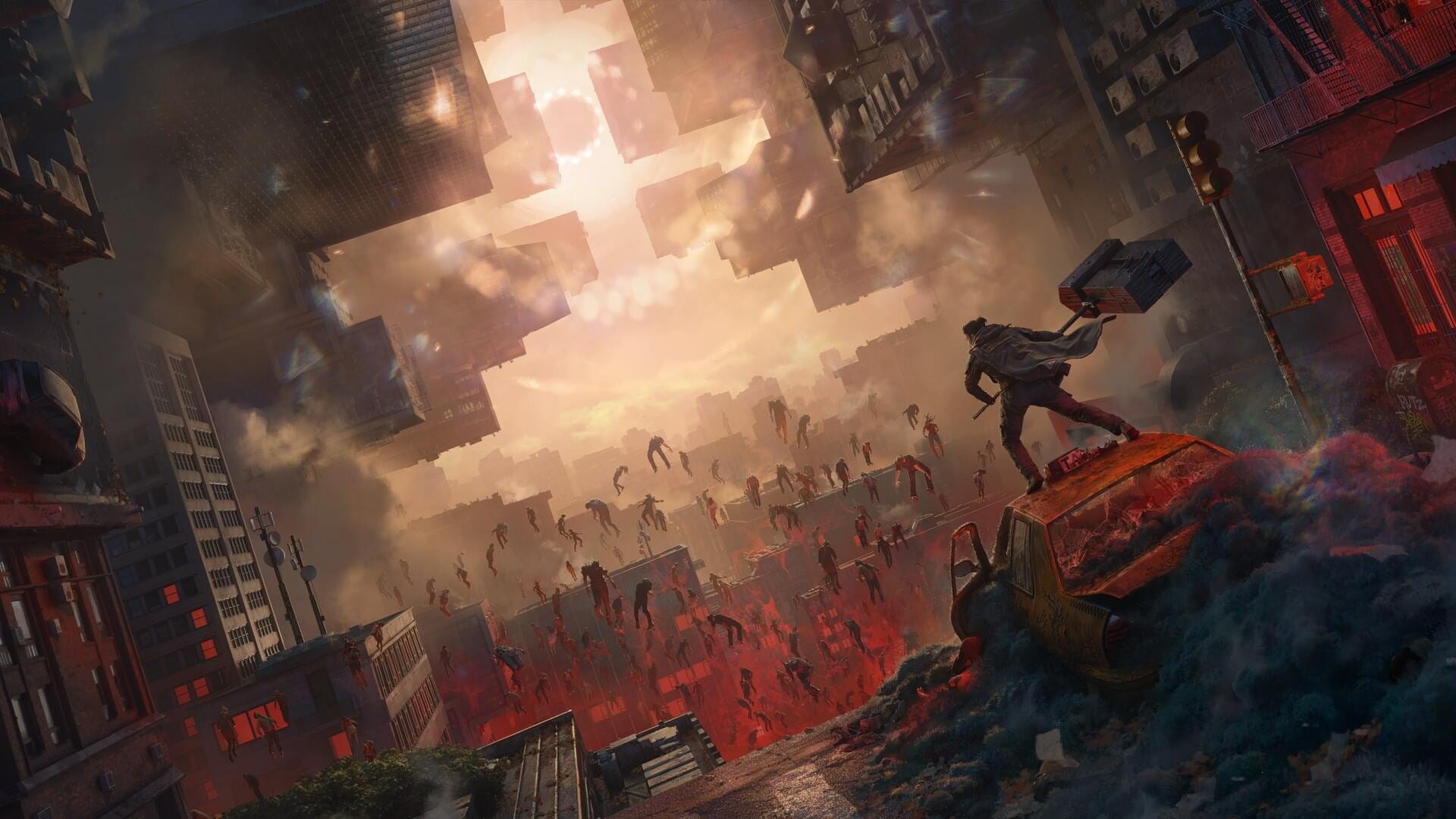
Control Resonant is positioned as a standalone expansion — large enough to function as a full release, connected enough to deepen the existing lore. The Federal Bureau of Control's Oldest House returns, and with it the resonance mechanics that gave the original Control its distinctive tactile identity: telekinetic combat, environmental storytelling, a bureaucratic surrealism that made the mundane feel genuinely alien. Remedy has consistently demonstrated that it knows how to make the Oldest House feel like a place rather than a level. That craft is not in question.
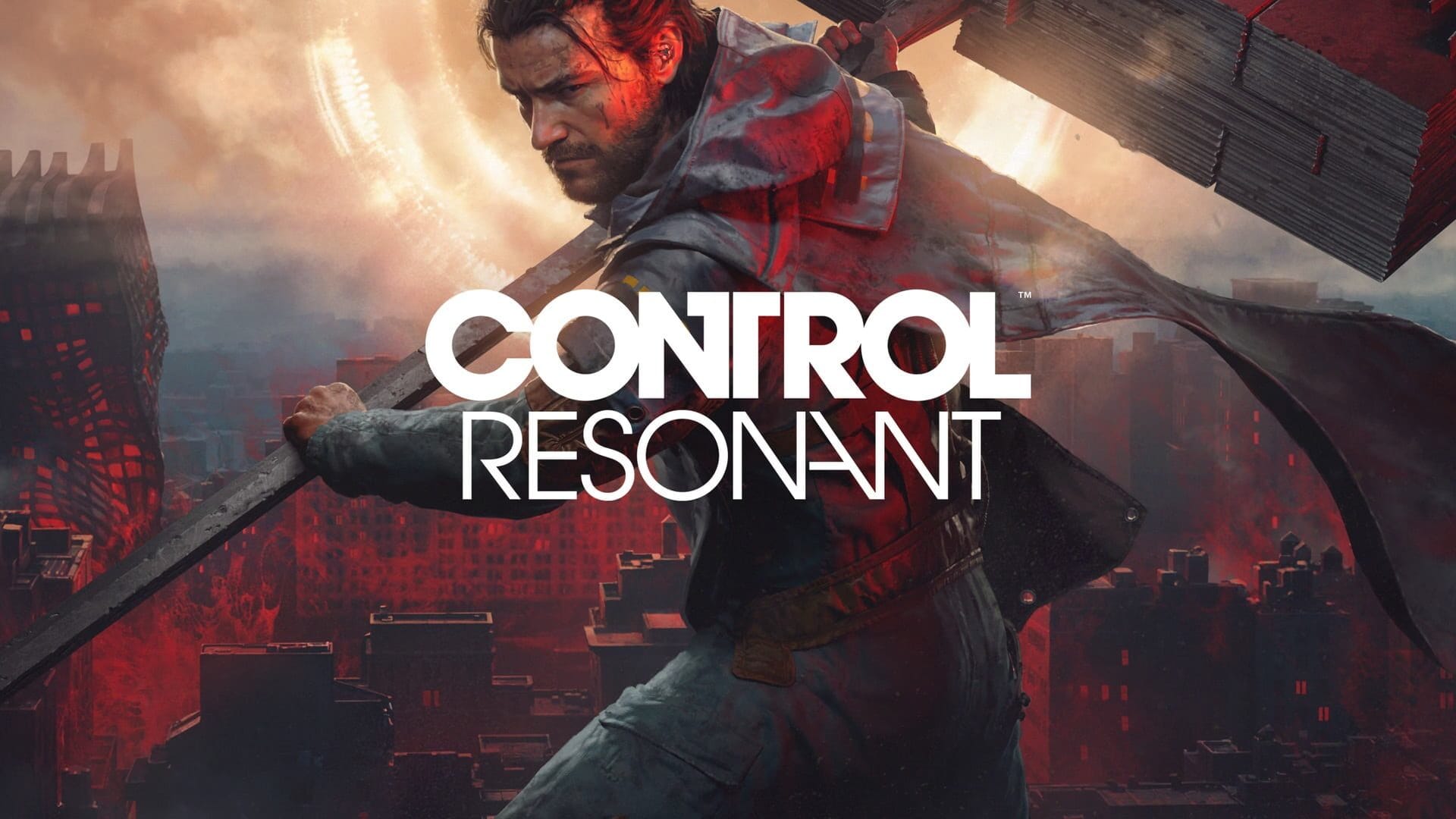
What is in question is whether Control Resonant can do two things simultaneously: satisfy the audience that already loves the RCU, and acquire the new audience the RCU needs to become financially self-sustaining. These are not the same task, and they frequently pull in opposite directions. The more a release rewards existing knowledge — lore callbacks, character continuity, thematic resonance with prior games — the more it risks appearing impenetrable to newcomers. Remedy has, to its credit, structured Control Resonant as a point of entry. Whether the market receives it that way is a different question entirely.
The Studio Model Under the Franchise
Strip away the fictional architecture and what you have is a studio of roughly five hundred people attempting to compete in a market that has, over the past three years, consolidated aggressively around either massive IP with nine-figure budgets or small independent releases with minimal overhead. Remedy exists in an increasingly uncomfortable middle: too ambitious and too expensive to operate as an indie, too niche and too idiosyncratic to compete directly with the output of EA, Activision Blizzard, or Sony's first-party studios.
The RCU is Remedy's answer to that structural problem. If the universe works as a commercial ecosystem — if each release builds the audience for the next, if the lore functions as a retention mechanism — then Remedy does not need to compete on scale. It competes on depth. It becomes the kind of studio that people come to specifically because the work is singular, because the fictional world is somewhere worth returning to. That is a viable model. It is the model that FromSoftware has executed in the action-RPG space, that Larian Studios demonstrated with Baldur's Gate 3 (2023), that CD Projekt RED built — painfully, with significant collateral damage — around the Witcher and Cyberpunk properties.
But all of those examples share a characteristic that Remedy has not yet achieved: a breakout commercial moment that transforms audience size from loyal-niche to culturally-significant. Control was critically acclaimed and moderately successful. Alan Wake 2 was critically acclaimed and financially insufficient. The pattern is consistent and the trend line is concerning. Control Resonant needs to break it.
The Publishing Equation
Remedy's relationship with its publishing partners is another variable that makes the RCU model complicated to evaluate cleanly. Control was published through 505 Games, a deal that left Remedy without full ownership of its most commercially successful IP for years. The studio has since restructured — it now retains IP rights across the RCU — but the financial mechanics of publishing deals mean that creative ownership and commercial benefit are not always synchronized. Alan Wake 2 was self-published through Epic Games Store exclusivity arrangements, which limited its initial audience reach even as it protected Remedy's ownership position. Control Resonant arrives in a market context where platform exclusivity is increasingly scrutinized and where day-one availability across storefronts matters more than it did even two years ago.
These are not dramatic revelations. They are the ordinary friction of the mid-tier games industry. But they matter because the RCU's viability as a studio model depends not just on the quality of the creative output but on whether the commercial infrastructure around that output is optimized to convert quality into audience size. Remedy makes good games. The question is whether it makes good games in a way that enough people can find, afford, and be compelled to return to.
What Success Looks Like From Here
Define success carefully and Control Resonant has real paths to achieving it. A strong opening that recaptures the audience lost between Control and Alan Wake 2, combined with positive word-of-mouth that positions the RCU as a coherent and rewarding universe rather than a niche curiosity, would stabilize Remedy's position meaningfully. A Game of the Year conversation — which is plausible, given the studio's track record with critics — would extend the marketing window beyond launch. A multiplatform presence that doesn't fragment the potential audience would help.
None of this is guaranteed. The September release window is competitive. The mid-tier is unforgiving. And the RCU, for all its creative sophistication, is still asking players to invest in a fictional world that requires patience, attention, and a tolerance for ambiguity that mass audiences do not always offer.
What Control Resonant represents, then, is not a franchise milestone dressed up as an editorial question. It is a genuine inflection point for a studio that has staked its identity — and, increasingly, its financial stability — on the proposition that a coherent, author-driven fictional universe is a viable structure for a mid-sized games developer in 2025. Remedy is right about the creative case. The commercial case is still being made. September 24 is the next argument.