Marvel is one issue away from Amazing Spider-Man #1000, and the number feels simultaneously inevitable and absurd. Amazing Spider-Man #35, the penultimate chapter of the current arc, arrived this week carrying the weight of a milestone it didn't originate — a four-digit ceiling assembled from decades of restarts, rebrands, and retroactive arithmetic. Before the celebration begins, it's worth pausing on what the number actually proves.
The Ledger Nobody Wants to Audit
The original Amazing Spider-Man ran continuously from 1963 to 1998, reaching issue #441 before Marvel cancelled it mid-Identity Crisis arc and relaunched with a new #1. That first reboot was editorially motivated — a soft reset after the Clone Saga left the book commercially wounded. Then came The Amazing Spider-Man vol. 2, which ran to #58 before being renumbered back to #500 in 2003, honoring the legacy count for a milestone issue. The pattern repeated: renumber down when sales need a boost, renumber up when a anniversary demands prestige. It happened again in 2014, again in 2015 under the All-New All-Different initiative, again in 2018, again in 2022.
Each renumbering carried an implicit editorial argument: this is a new beginning, or alternately, this is continuity, these are the same. Both claims cannot be equally true. Marvel has spent sixty years trying to make them both true simultaneously, and the march toward #1000 is the logical terminus of that contradiction — a number that counts every issue ever published under the title regardless of volume, regardless of which Peter Parker was wearing the suit, regardless of whether the story acknowledged the issues before it. It is archival math dressed as narrative legacy.

What #35 Actually Does
Set against that context, Amazing Spider-Man #35 is a more honest piece of work than the milestone machinery around it might suggest. The issue functions as a pressure valve — tightening the screws on Peter Parker's circumstances before the landmark release presumably explodes them. The creative team understands that a #1000 issue will be read by lapsed readers, casual fans, and collectors who haven't opened a monthly comic in years. The penultimate chapter has to do the thankless work of coherence: recapping stakes without condescension, deepening character without demanding encyclopedic recall.
That is structurally hard, and #35 largely manages it. The pacing is deliberate without being slow. The antagonist's motivation lands with enough clarity that it doesn't require annotation. Peter himself is rendered with the particular exhaustion the character carries best — not self-pity, but a kind of load-bearing weariness, the posture of someone who has been here before and knows exactly how much it costs. That emotional register is the one thing no relaunch can fully reset, and it's the one thing #35 leans on most confidently.
The Milestone Industrial Complex
Marvel and DC have both grown expert at monetizing their own longevity. A four-digit issue number functions as cultural proof of survival — it signals to the market that this character, this title, this intellectual property has been continuously valued for generations. The implication is that value accrued naturally, through readership loyalty and creative consistency. The reality is that the number was curated, managed, and occasionally manipulated to land where it needed to land when the calendar demanded it.
That doesn't make Amazing Spider-Man #1000 meaningless. Spider-Man genuinely is one of the most consequential fictional characters of the twentieth century. The run genuinely does contain some of the most important superhero comics ever published — Steve Ditko's foundational issues, Gerry Conway's landmark death of Gwen Stacy, Roger Stern's definitive Hobgoblin, J.M. DeMatteis's "Kraven's Last Hunt," Brian Michael Bendis reshaping the mythology through Miles Morales in Ultimate Comics: Spider-Man (2011). The archive is real. The achievement is real. The number, however, is a construction.
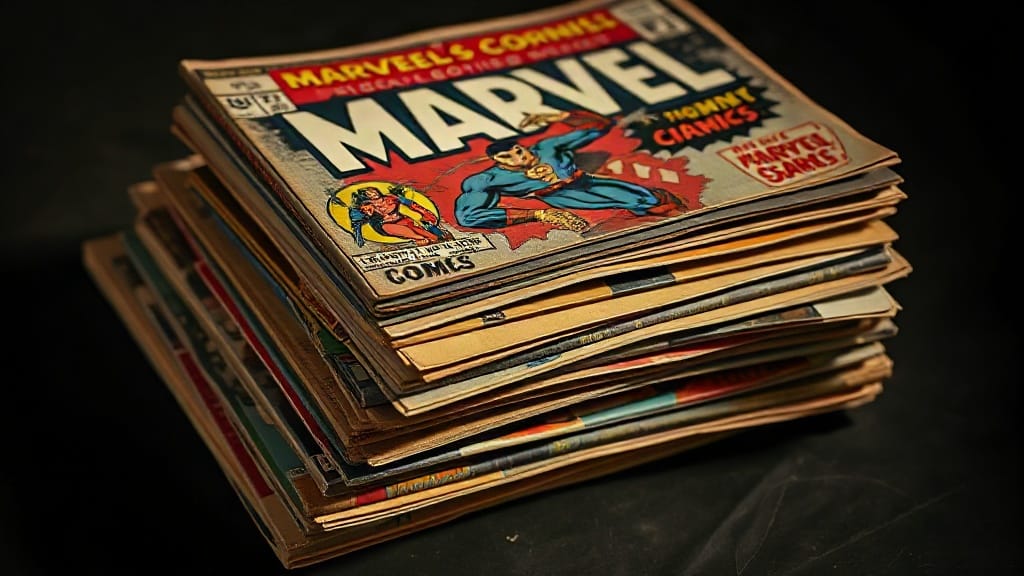
Why That Construction Still Matters
Here is the uncomfortable reconciliation: constructed milestones are not fraudulent milestones. Cinema has the Oscars. Literature has centenary editions. Comics have the legacy number. None of these are pure measures of quality or continuity — all of them are institutional rituals that the industry and its audience agree to treat as meaningful because shared rituals are how culture metabolizes time.
Amazing Spider-Man #35 sits at the edge of one of those rituals, doing exactly what penultimate chapters must do: making the finale feel earned. Whether #1000 delivers on that is a question for next month. What this issue proves is that the book, at least right now, still knows how to be a Spider-Man comic — anxious, propulsive, and honest about the cost of never being able to stop.
The number is a fiction. The character isn't. That distinction is worth holding onto as the party begins — the same one Kynari traced through Miles Morales' own relaunch.