There is a particular kind of audacity in returning. Not the audacity of the bold pitch or the greenlit sequel, but the quieter, more stubborn kind — the kind that requires you to have survived something that was supposed to end you. When The Sinking City 2 (2025) launches today, Frogwares is not simply releasing a video game. It is completing a circuit that was violently interrupted, and doing so without the safety net of a major publisher, without the institutional armor that most studios at this scale depend on to exist at all.
To understand what this release means, you have to go back to what preceded it. In 2021, Nacon — Frogwares' former publisher — uploaded an unauthorized version of the original The Sinking City (2019) to Steam after the two parties had entered a contractual dispute. Frogwares alleged the build was produced by reverse-engineering the game's code, bypassing the studio entirely. The original title was pulled, reinstated, pulled again. Players watched a game disappear and reappear like a tide chart of legal motion. Courts in France weighed in. The studio issued public statements that read less like PR and more like dispatches from a siege. Meanwhile, Russia's full-scale invasion of Ukraine — where Frogwares is headquartered in Kyiv — turned the siege metaphor into something uncomfortably literal.
That context doesn't make The Sinking City 2 a better or worse game by itself. But it makes the act of shipping it categorically different from a standard release-cycle sequel. Frogwares didn't leverage the chaos of the last four years as marketing. They worked through it. Staff relocated, development continued under blackouts and air raid alerts, and the studio made a deliberate choice to self-publish — absorbing the distribution risk rather than hand any third party the kind of leverage that nearly destroyed them once before.
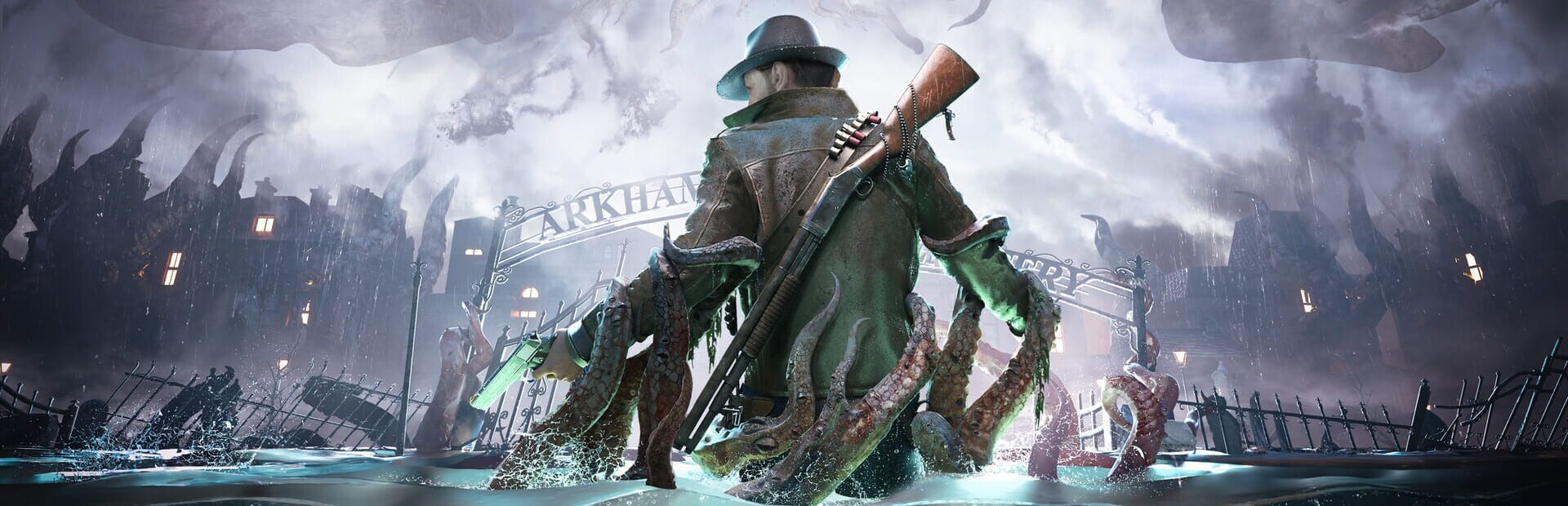
The irony that all of this is wrapped inside a Lovecraftian horror framework is not subtle, but it is resonant. H.P. Lovecraft's central thesis — that there are forces in the universe too vast, too indifferent, and too structurally embedded to be defeated, only endured — maps uncomfortably well onto the reality of how creative studios interact with capital, contracts, and publishers. The original game's protagonist waded through a city drowning in eldritch rot. The sequel's development waded through something structurally similar: systems designed not to destroy you outright but to make you complicit in your own erasure.
The Sinking City 2 expands the survival horror architecture of its predecessor, shifting from pure investigation toward a harder-edged combat and resource loop while retaining the open, decaying world design that distinguished Frogwares' work from the broader Lovecraftian-game genre. Whether those mechanical shifts pay off is a question of craft. What is not a question is the industrial statement embedded in the release itself.
Self-publishing at this scale is not romantic. It means carrying costs that publishers exist to absorb — storefront negotiations, localization pipelines, certification processes, marketing spend — without the volume discounts that make those costs manageable. For a mid-sized studio operating out of a country at war, choosing that path is not idealism. It is a calculated bet that the alternative — ceding control again — is the more dangerous risk. Frogwares has done the math on what dependency costs, and they have decided they cannot afford it.
That calculation matters beyond Frogwares. The games industry's mid-tier — studios large enough to build ambitious worlds, too small to absorb a bad publishing deal — is under sustained structural pressure. Consolidation, acquisition, and the slow retreat of traditional publishing advances have left a growing number of studios exactly where Frogwares found itself in 2021: legally outgunned, financially exposed, and fighting for ownership of work they created. Most of those fights do not end with a sequel.
This one does. The Sinking City 2 exists because a studio in Kyiv decided that surviving the industry was worth the same effort as surviving everything else being thrown at them. Lovecraft wrote about the terror of insignificance — of discovering that you do not matter to the forces that shape the world. Frogwares has spent four years writing a different kind of story: one where the insignificant party refuses the premise entirely.
The game is out. The studio is still here. That is not a minor thing.