The result is in, and it carries more weight than any scoreline. Valorant (2020) has had world champions before, but it has never had one quite like this: a title won on the last day of a competitive structure that will not exist in 2027. LOUD defeated Team Vitality 3-1 in the grand final of VCT Champions 2026 at Mercedes-Benz Arena in Shanghai on October 18, becoming this year's Valorant world champions — and the final ones to emerge from the VCT's franchise era.
 Gameplay
The match itself was the third meeting between these two sides at the same tournament. Team Vitality had beaten LOUD in the group stage; LOUD had taken the upper-bracket final; and now, with everything settled on a best-of-five, LOUD won the deciding frame. Roberto "erde" Lobos, an 18-year-old IGL who moved up from Challengers to the VCT this very season, was named tournament MVP. The numbers behind his performance — 120 combined kills, matched by teammate lukxo's 100 — told most of the story, but the story itself was about something larger than one player's breakout.
Three Meetings, One Night to Settle It
LOUD entered the grand final from the upper bracket, having beaten Team Vitality 2-1 in the upper-bracket final on October 15. Vitality, after dropping to the lower side of the draw, had to work through a best-of-five against 100 Thieves in the lower-bracket final. Vitality won that series 3-1, securing their rematch with LOUD less than 24 hours later. The experience asymmetry was visible in the rosters: Vitality's lineup featured Nikita "Derke" Sirmitev, Timofey "Chronicle" Khromov, and Elias "Jamppi" Olkkonen — three players with deep international résumés. LOUD's rebuilt five, by contrast, were playing their first global event together as a unit. That did not settle the series in Vitality's favour.
The grand final itself opened in LOUD's favour. Roberto "erde" Lobos imposed himself on Map 1 with Sage setups that made Vitality's attacks costly, and LOUD closed that map 13-11 after clawing back from a deficit in the second half. Vitality responded on Map 2, exploiting weak points in LOUD's defensive positioning on C site to take the map 13-8. From there, LOUD found their footing and did not concede another map. A 3-1 final. A world championship. A first Champions title for every player on that roster.
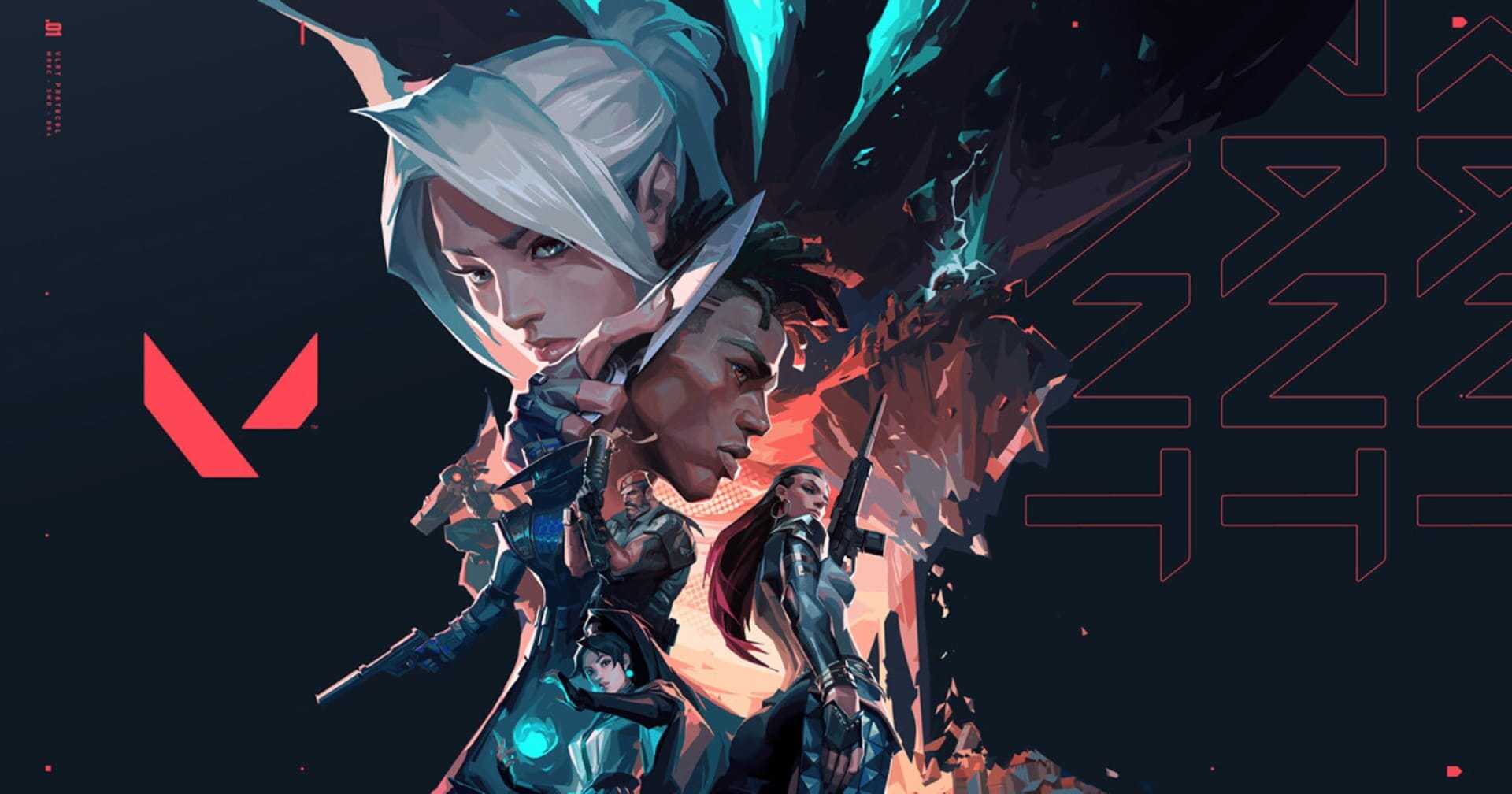
There was a detail on the night worth noting: the grand final at Mercedes-Benz Arena — which seats 18,000 — kicked off immediately after a live reveal for the new Valorant agent Hush, fusing product spectacle with competitive closure in exactly the manner Riot Games has perfected over five years. The arena had previously hosted the top-four stage of Valorant Masters Shanghai 2024, making it the city's second time at the centre of the Valorant world. Shanghai is the first city in China to host the Valorant Champions tournament, a fact that carried its own subtext given that every Chinese team — TYLOO, Xi Lai Gaming, EDward Gaming, and JD Gaming — was eliminated in the group stage, finishing in the bottom four positions.
The Franchise Era: What It Was, and Why It Ended
The weight of Sunday's result is inseparable from what it closes. The 2026 VCT season is the fourth and final one conducted under the franchise model — a system in which partner organisations held guaranteed league slots, competed in long-form round-robin seasons across Americas, EMEA, Pacific, and China, and qualified for international events on the basis of accumulated championship points. It was, structurally, closer to traditional North American sports leagues than to the open-qualifier ecosystems that preceded it. Partner teams showed up regardless of prior-season performance. Non-partner teams had a single annual shot at promotion through the Ascension tournament.
That structure is now finished, and it finished a year ahead of its original schedule. On April 8, 2026, Riot Games announced the VCT 2027 overhaul: the end of guaranteed partner slots, the replacement of regional leagues with LAN-based VCT Cups, and the introduction of open qualifiers that will, in theory, allow any team in the world to qualify for Masters or Champions. Under the new system, open qualifiers will be available multiple times per year, with promotion and relegation replacing the bottleneck that Ascension had become. The total prize pool for 2027 will exceed $6 million annually, and the tour is projected to span over 20 tournaments across more than 16 cities worldwide.
The early termination of the franchise era was not purely ideological. Wikipedia's Valorant Champions Tour article notes that Riot's subsequent actions "seemed to implicitly acknowledge that the franchising system had suffered irreparable failures at the tier 2" — a reference to the persistent criticism that the closed system suffocated competitive development below the elite level, leaving the region between the top 12 partnered teams and the amateur scene structurally hollow. Team departures due to financial difficulties compounded that critique throughout 2025 and 2026. The franchise model, as an experiment, produced four years of elevated production values and clearer narrative seasons — but it also produced a tier-2 ecosystem widely considered the worst in the organisation's history.
The Year's Bracket, Compressed
Before the final, this tournament traced a path worth remembering. Defending champions NRG entered Shanghai as the team to beat and were eliminated by 100 Thieves in the lower quarterfinals. Paper Rex and T1, two of the Pacific region's most decorated franchises, exited in the top-eight. The Chinese region suffered its most embarrassing home performance: all four of its representatives finished in joint last place without advancing past the group stage. LOUD, by contrast, were unbeaten in the upper bracket until their group-stage loss to Vitality, navigating their way back each time they were pushed. The team that had previously won the championship in 2022 — with a largely different roster — now owns a second title under entirely different circumstances.
For LOUD specifically, the parallel to their 2022 run in Istanbul is inexact but emotionally legible. That first championship was won at the Volkswagen Arena with a squad built around Erick "aspas" Santos, who claimed MVP. Sunday's title belongs to a rebuilt team in a foreign city, with an 18-year-old IGL stepping into the biggest match of his career on the last night of the league format that enabled him to get there. The context bends the result into something more than a bracket outcome.
As for what comes next — for LOUD, for Vitality, for 100 Thieves, and for every organisation that held a franchise slot — 2027 represents a reset whose consequences are still being modelled. Partner status continues, but performance will determine how far every team goes. No more banking a season on a guaranteed entry. No more watching the same twelve organisations cycle through the same structures regardless of results. The VCT Cups, the open qualifiers, the new city-by-city model — all of it begins the moment the Mercedes-Benz Arena empties out.
LOUD lifted the trophy last night. They did it on the closing night of an era. Whether the next era produces a better competitive ecosystem is a question for 2027. What October 18, 2026 establishes, without ambiguity, is who held the last franchise title — and how a team built around an 18-year-old from Challengers walked onto the biggest stage in the game's history and refused to lose. You can read about the bracket path that brought them there in our earlier coverage of the lower-bracket final that set this grand final in motion.