Game Pass has always sold itself on a single promise: access. Pay a monthly fee, and a rotating library of games — many of them day-one releases — is yours to explore. It is a compelling pitch. It is also, as July 2025 demonstrates with uncomfortable clarity, a promise with fine print.
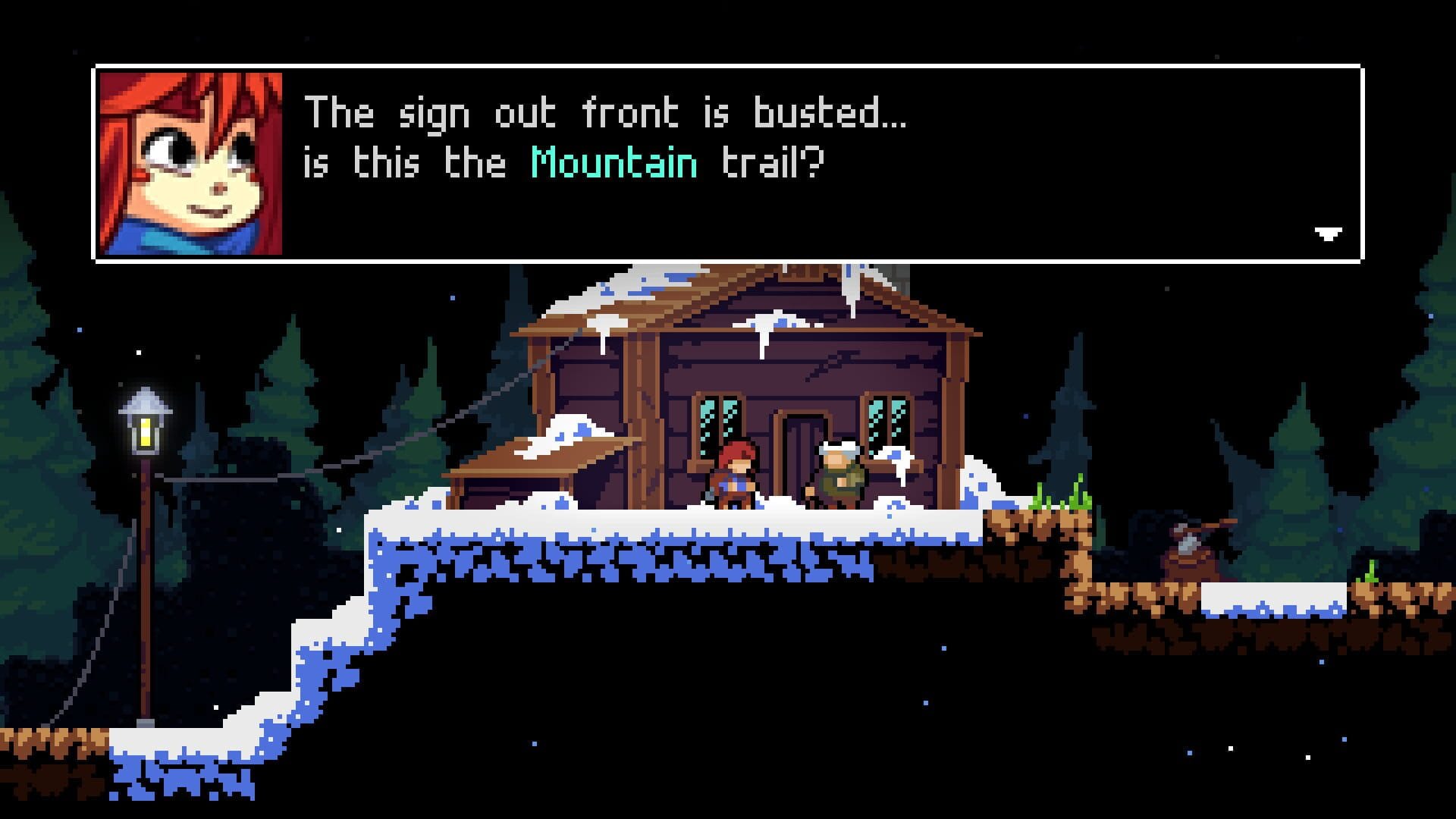
This month, Microsoft's subscription service removed more titles than it added. That arithmetic alone would be unremarkable if the departing games were filler. They are not. Leading the exodus is Celeste (2018), Maddy Thorson and Noel Berry's precision platformer — a game that holds a 92 on Metacritic, that has been cited by developers and critics alike as one of the defining indie releases of the last decade, and that uses its mechanical difficulty as a genuine extension of its themes around mental health and self-acceptance. When a service loses a game of that caliber without replacing it with anything of comparable weight, the monthly ledger stops being a neutral accounting exercise and starts being an editorial statement.
The question worth asking is not why licenses expire. They expire because Game Pass's library is not owned — it is licensed, negotiated, and temporary by design. The question is what this model reveals about the long-term relationship between a subscription platform and the art it hosts.

The Library Illusion
Libraries, in the traditional sense, preserve. A book added to a library collection does not vanish after eighteen months because a licensing window closed. The analogy that Microsoft and its competitors prefer — that Game Pass is like Netflix for games — is actually the more honest one, and it is precisely the one that should give subscribers pause. Netflix has trained audiences to accept that content disappears. The grief is fleeting; there is always something new to queue. But games are not passive experiences. Celeste is not background noise. It demands attention, time, and emotional engagement. Removing it from a catalog is not equivalent to rotating out a mid-tier drama series. It is removing an experience that many subscribers had bookmarked, planned to return to, or had not yet started.
This is the structural tension at the heart of every subscription games service: the value proposition depends on the perception of abundance, but abundance requires constant replenishment, and replenishment is expensive. When the budget tightens — or when a publisher simply declines to renew — the service does not shrink visibly. It just quietly becomes less than it was.
What the Removals Signal
Microsoft has faced mounting scrutiny over Game Pass's direction since the consolidation following its acquisition of Activision Blizzard. The service has leaned heavily on first-party releases and catalogue depth from acquired studios to justify its subscription tiers. That strategy works when the pipeline is full. When it is not — and July suggests it is not, at least for this cycle — the removals become louder than the additions.
Celeste's departure is the sharpest signal because it is a game that Game Pass genuinely needed. It was the kind of title that validated the service's identity as a platform for meaningful, artistically serious games — not just blockbusters. Losing it does not break Game Pass. But it chips at the credibility of the curation narrative that Microsoft has spent years constructing.
The Ownership Argument Returns
Every time a beloved game leaves a subscription service, the case for direct ownership resurfaces. Celeste is available for purchase on Steam, on the Nintendo eShop, on PlayStation. For anyone who wants it permanently, the option exists. But that is almost an indictment in itself: a service that positions itself as the smarter, more accessible alternative to buying games is, in practice, nudging its most discerning users back toward ownership the moment it removes something irreplaceable.
The subscribers who feel nothing when Celeste leaves were probably never going to play it. The subscribers who feel the loss acutely are exactly the audience Game Pass should be fighting to keep — players who care about quality, who use the service precisely because it gave them access to games they might not have taken a chance on otherwise. Removing a 92-rated masterpiece is not a neutral licensing event for those users. It is a small breach of trust.
Game Pass remains, by most metrics, a defensible value proposition. But value is not static, and it is not purely mathematical. It is also about what a service signals it believes is worth keeping. July's ledger, with its removals outweighing its additions and Celeste leading the departures, signals something Microsoft would be wise to address — before subscribers start doing the math themselves.