The doors open today. After a month of silence, a rescheduled date, and zero public explanation, The Gundam Base Minneapolis and the Bandai Namco Cross Store Minneapolis are finally live inside the Mall of America in Bloomington, Minnesota. Bandai Namco Amusement America announced the October 30 opening date on Thursday, thanking fans for their patience after originally scheduling both launches one month earlier on September 30. The thanks-for-your-patience framing was doing a lot of work. Nobody said what went wrong.
 Official trailer
That silence is worth sitting with before moving on to the ribbon-cutting optimism. The store was originally set to open on September 30, but the location was unexpectedly delayed — and the original opening celebration was canceled just three days before the store was scheduled to welcome visitors. Bandai Namco didn't explain the cause for the pause. Three days' notice, no cause given. That's not a logistics hiccup. That's either a landlord dispute, a fit-out failure, or something in the supply chain — and the company's decision to say nothing about it suggests whichever explanation applies is not one they'd prefer attached to their expansion narrative. Retail launches in America are expensive signaling events. Postponing one without reason is not neutral. It erodes exactly the kind of trust that makes a brand's physical footprint feel permanent rather than provisional.
To understand what's at stake, you need the arc. The Gundam Base Chicago was the first official Gundam Base location in the United States, opening on December 12, 2025, at the Fashion Outlets of Chicago in Rosemont, Illinois. That 3,000-square-foot location featured exclusive Gunpla, a Gundam Card Game play area, exhibit displays, a six-foot-tall Gundam statue, and limited-edition promotional items. By the standards of specialty retail, it was a complete proposition — part shop, part community space, part collector's pilgrimage site. Since opening, the Chicago location has welcomed thousands of visitors from across North America, and the overwhelming response from fans helped pave the way for additional expansion into key markets across the United States. That response gave Bandai Namco the confidence — and the data — to commit to two more U.S. locations in 2026.
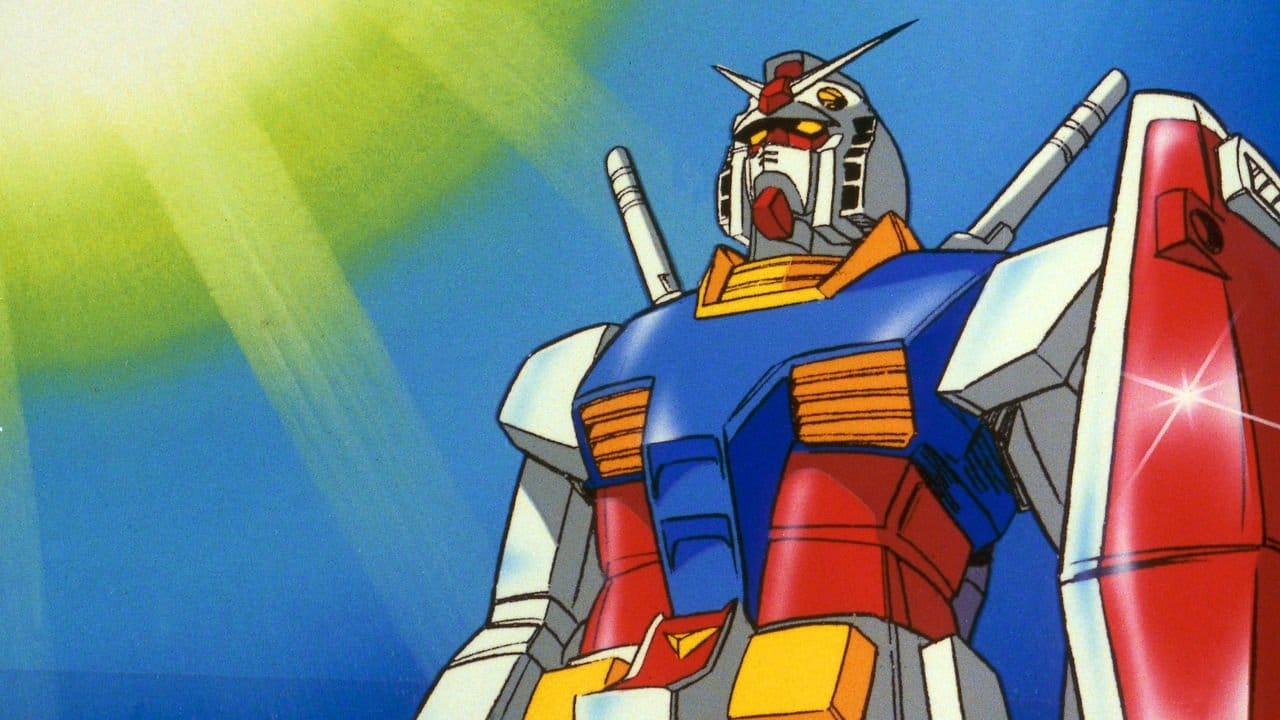
The Bandai Namco Cross Store side of this expansion has its own timeline. Bandai Namco Amusement America opened the Bandai Namco Cross Store in Brooklyn, New York in February 2025, with ten department shops designed to showcase the different Bandai Namco brands. The Brooklyn store was split into ten department shops offering collectibles, card games, figures, and everyday items. Minneapolis, then, is the second Cross Store in the country — and critically, the only U.S. city that will have both a Bandai Namco Cross Store and a Gundam Base under the same roof. That dual presence is not incidental. It is, on paper, the fullest expression of Bandai Namco's physical retail ambition outside Japan: a single destination that can serve the card-game casual, the Gunpla hobbyist, the figure collector, and the Tamagotchi nostalgist simultaneously.
What fills the Cross Store matters as much as the signage above it. The Bandai Namco Cross Store Minneapolis combines fifteen shops and brands, including Bandai Namco Anime Station, Banpresto, Mega Kawaii Shop, Tamagotchi Shop, and Tamashii Nations. The store will feature popular anime figures, toys, collectibles, and card games alongside a Namco arcade, while The Gundam Base will stock exclusive model kits and merchandise alongside immersive displays and hands-on experiences. In other words: there is enough breadth here to function as something closer to an anime lifestyle destination than a single-IP boutique. That breadth is the bet. Gunpla alone does not sustain a flagship retail floor at the Mall of America. Fifteen sub-brands in one space might.
The geography of this choice deserves more scrutiny than it usually gets. The Midwest is not the obvious beachhead for Japanese pop culture retail. New York's Japan Village in Brooklyn, where the first Cross Store sits, serves a dense urban market with one of the highest concentrations of anime fandom per square mile in the Western hemisphere. Chicago's Fashion Outlets had an established convention ecosystem nearby — Illinois-based convention Anime Central regularly takes place every May in Rosemont, just near the Fashion Outlets of Chicago — making the Rosemont location almost a permanent convention annex. Minneapolis has neither the density nor the convention-adjacency. What it has is the Mall of America itself: one of the most-visited shopping destinations in North America, drawing tourists from across the region and internationally. The logic is foot traffic over fandom density — a fundamentally different thesis than Chicago or Brooklyn.
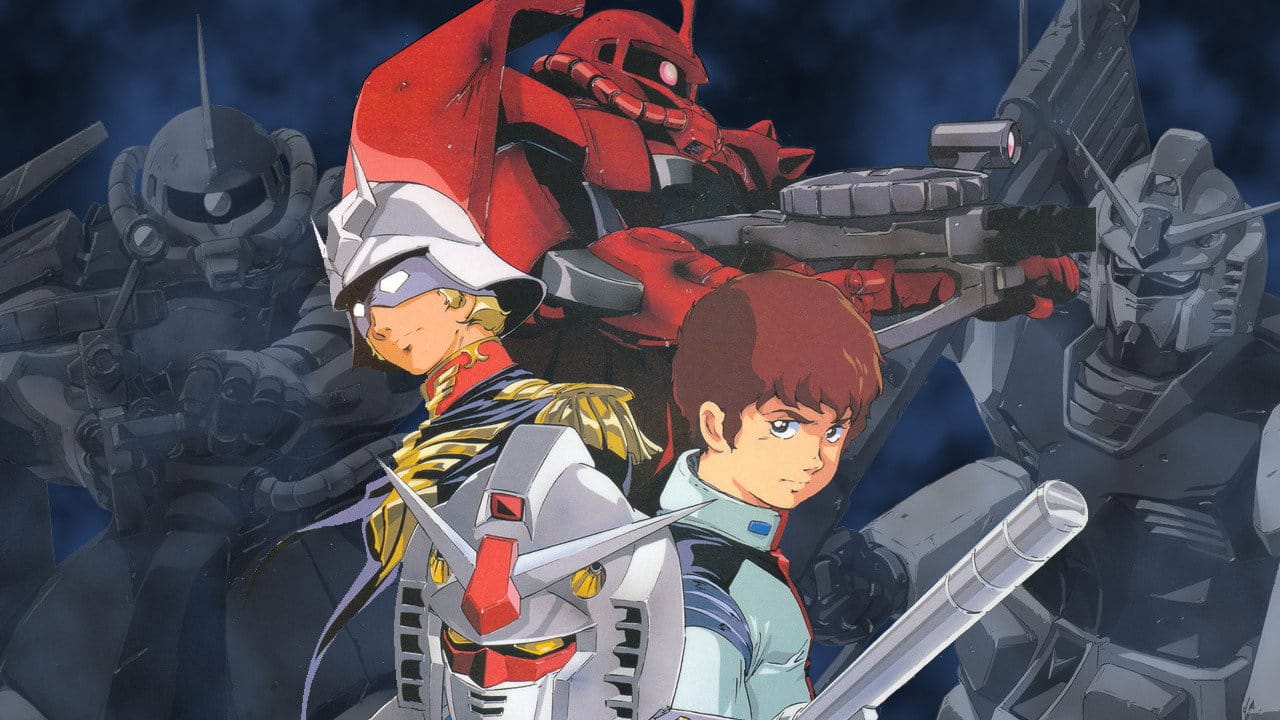
Whether that thesis holds will reveal itself slowly. The Gundam Base model is not a fast-fashion proposition. The Gundam Base serves as the ultimate destination for fans of the Mobile Suit Gundam franchise and Gundam plastic model kits. Gunpla is a hobby with real retention — builders return, collections grow, and the community aspect of in-store events keeps regulars cycling through. The Rosemont location was the first U.S. store, but it is just one of 31 official Gunpla stores around the globe. Bandai Namco has decades of data on what sustains these locations internationally. The question is whether American mall retail, with its higher overhead and its dependence on tourist flow rather than neighborhood habit, can support the same model.
The company has also announced that a third U.S. Gundam Base is planned for Seattle's Westfield Southcenter, also in fall 2026. That means, if Minneapolis stumbles, the Seattle opening lands in its shadow. Conversely, if today's opening generates the kind of opening-weekend energy that the Chicago debut did — people waiting in line, social media saturation, the particular electricity of a niche fandom finally having a room of its own — it validates not just Minneapolis but the entire roll-out logic. The official social media announcement did not note whether there will be special opening day events or giveaways when the two stores debut. That absence of announced programming is unusual for a flagship opening. It either means the details are being held for a day-of reveal, or that the delayed opening left insufficient runway to plan the kind of grand opening Chicago received.
The delay, the silence, the missing event programming — none of these are necessarily fatal signals. Retail is hard and American mall infrastructure is harder. But Bandai Namco's physical expansion in the U.S. is moving quickly enough that each location now carries the weight of the whole argument. If the Gundam Base can make a mall anchor work in Minneapolis — converting tourist curiosity into collector loyalty, turning a hobby into a destination — then the Midwest becomes proof of concept for a truly national footprint. If it can't, the September 30 postponement will look, in retrospect, like the moment the company's confidence and its execution first came apart. Today is the first data point. The article closes here. The store opens now.