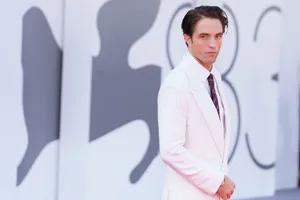
The Bond machine has never looked quite like this. Deadline confirmed on November 6 that Robert Pattinson and Nicholas Hoult have rounded out the pool of actors who screen-tested for the lead role in Bond 26 — joining Jack Lowden, Josh O'Connor, and Callum Turner in a five-person shortlist overseen by director Denis Villeneuve. That pool, taken as a whole, is an extraordinary document: DC's current Batman and DC's current Lex Luthor, both testing to play British intelligence's most iconic spy, in a process run by the director of the Dune trilogy. If central casting wanted to signal that the era beginning with this film would be unlike anything that came before it, it could not have designed a more pointed lineup.
The structural facts are worth laying out before the symbolism takes over. Amazon MGM paid $20 million to EON Productions for creative control of the 007 franchise, with Bond's long-time producers Michael G. Wilson and Barbara Broccoli stepping back and ceding that control to the studio. In June 2025, it was announced that Denis Villeneuve would direct and executive produce the film. Steven Knight, the creator of Peaky Blinders, was hired to write the script. Producers Amy Pascal and David Heyman round out the verified creative line-up. In August 2026, Pascal confirmed that the actor who will play James Bond would be announced by the end of 2026. Amazon is looking at a 2028 release date for the film. That is the scaffolding. Everything interesting is happening inside it.
While not formally confirmed, insiders told Deadline that Pattinson and Hoult joined Lowden, O'Connor, and Turner in recent screen tests to play the next 007, with a fifth actor added at the eleventh hour — though it remains unknown which addition came last. Following two months of meetings, the first round of auditions took place in August; since then, the studio, Pascal, Heyman, and Villeneuve cut the list to its final group and worked out test offers in September. Callum Turner was reported to have been the first to perform his screen test, arriving at Bray Studios in London on a Friday morning. Scheduling conflicts among the finalists had pushed the original test window back so everyone could test within the same period.
The three names that preceded Pattinson and Hoult in the reporting are themselves a significant statement of intent. Lowden is known for his role in Slow Horses; Turner starred in Masters of the Air; O'Connor gained widespread acclaim in The Crown and recently appeared in Wake Up Dead Man: A Knives Out Mystery. Speculation around Lowden reached fever pitch when his Slow Horses co-star Gary Oldman appeared to suggest he had made the shortlist. All three represent the archetypal Villeneuve instinct — trained, relatively understated British actors who carry dramatic weight without pre-existing franchise gravity. Then Pattinson and Hoult walked in, and the calculus shifted.
Pattinson has the Villeneuve factor on his side, having starred in the filmmaker's upcoming epic Dune: Part Three. According to World of Reel, while The Batman Part II paused production due to director Matt Reeves' hiatus, Pattinson was asked by his friend Villeneuve to come over for a screen test. He was already in London shooting The Batman Part II, which is exactly where the screen tests have been held. The logistics almost write themselves as narrative: the man playing Batman steps off one franchise set and walks into a 007 screen test at the invitation of a director he trusts. What would normally seem opportunistic reads here as something more considered — a director who knows his collaborator's range firsthand and wants to see it translated into a different suit.
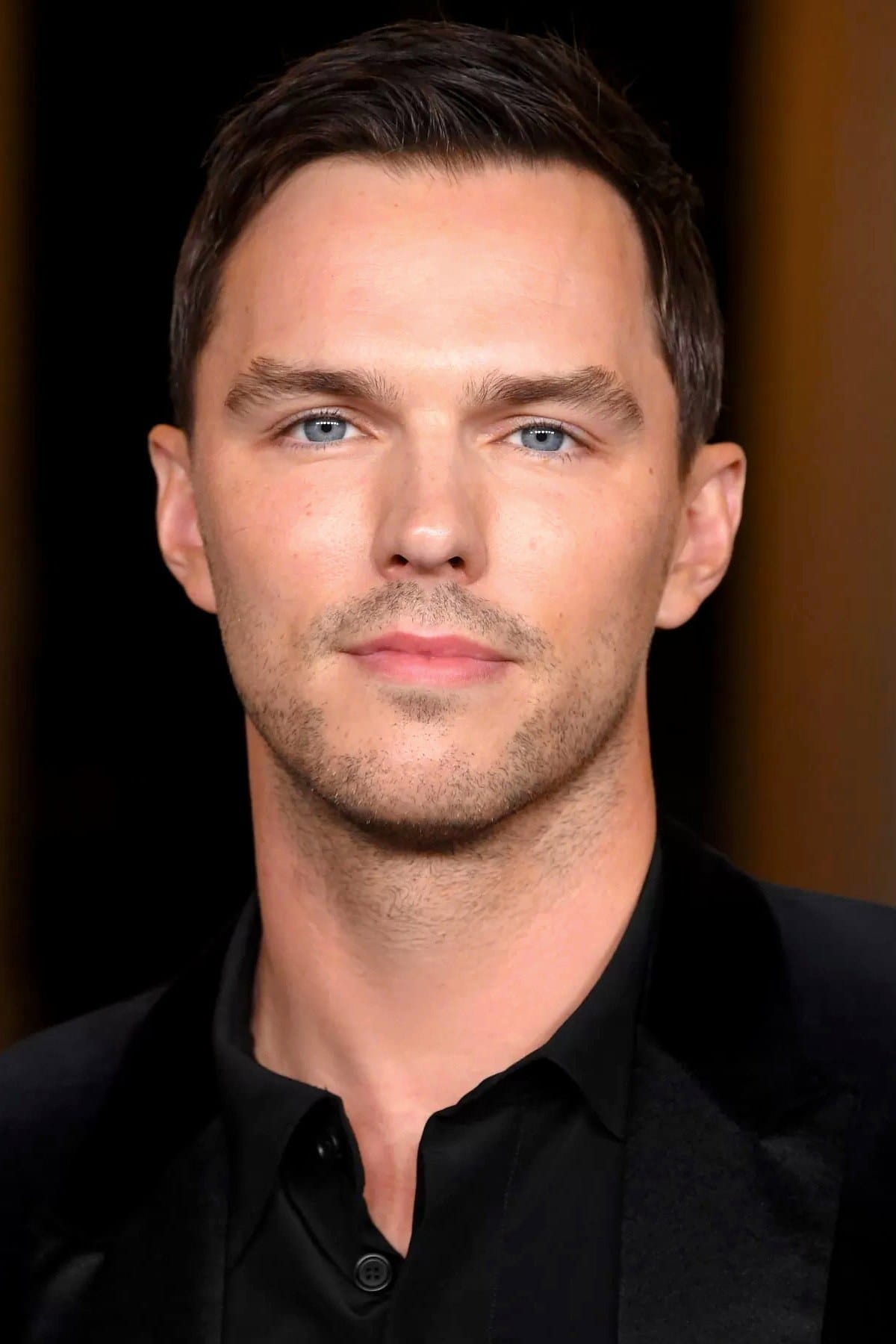
Hoult plays Lex Luthor in DC's Superman films and starred in the X-Men prequel trilogy, while Pattinson plays Batman for DC Studios. Hoult was reportedly the runner-up to Pattinson for the Batman role years ago. The irony of this detail is almost too neat for fiction: the two actors who competed for one defining superhero role are now competing again, this time for the role that sits in a cultural register entirely apart from either DC or Marvel — older, more geopolitically inflected, rooted in Ian Fleming's mid-century British imagination rather than sequential art mythology. Bond is not a superhero. He never was. That tension is precisely what makes the question of Pattinson or Hoult so genuinely interesting, rather than merely provocative.
What Villeneuve's involvement does to this process is hard to overstate. He is a noted fan of the franchise and had been approached to direct No Time to Die, but declined in favour of directing Dune: Part One. He ultimately beat out four European directors — Edward Berger, Edgar Wright, Paul King, and Jonathan Nolan — for the Bond job. He arrives, then, not as a hired gun but as someone who chose this consciously, at a specific moment in his career. That choice shapes how the casting should be read. Villeneuve builds worlds through controlled atmosphere and performer interiority — the Bond films that most resemble his register are the Daniel Craig era's grimmest hours: Casino Royale (2006), the stripped-down first two acts of Skyfall (2012). A Villeneuve Bond, written by Knight, is unlikely to be ironic, unlikely to be nostalgic, and almost certainly unlikely to be comfortable.
Reports indicate the next Bond is expected to commit to several films, which could be a tough fit for Pattinson's existing schedule. That constraint matters. The Broccoli-era Bond was always, at its core, a long-term identity project — the actor didn't play the character so much as become synonymous with him across a decade or more. As one insider framing put it, casting Bond represents a ten-to-twelve-year commitment. For Pattinson, who is already locked into The Batman universe for Warner Bros. and DC Studios, the scheduling architecture alone is a genuine obstacle. Hoult, whose Lex Luthor appearances are inherently less central to any single franchise throughline, faces a narrower version of the same problem.
Yet the more structurally disruptive fact is simply that both are on the list at all. The Variety report framing this development as a "shocker" is not tabloid hyperbole — it reflects something real about what this casting process has become. Bond has historically been defined by relative anonymity at the point of casting. Connery was not a star when he was cast. Craig was known but not dominant. Pattinson, in 2026, is one of the most recognisable actors on the planet, carrying a DC franchise on his back and arriving off the third Dune film. His casting would not simply announce a new Bond — it would announce a category shift in what Bond is willing to be.
That is, ultimately, what makes this five-person pool so legible as a cultural event rather than just an industry news item. Three accomplished, relatively low-profile British dramatic actors; one DC villain; one DC superhero. That doesn't necessarily mean the original contenders have fallen out of favour, but it indicates that the casting process remains more fluid than previously believed — and suggests Villeneuve may want to extend his creative relationship beyond Arrakis. Whatever decision emerges from Bray Studios, it will not be a neutral one. For those following DC's ongoing identity project — the question of what a character-driven superhero film looks like when stripped of franchise spectacle — the Bond crossover is worth noting. The best analysis of that project's most recent chapter is here at Kynari: our review of Batman: Bad Seeds – Sunrise 1 addresses exactly the kind of actor-driven ambition that Villeneuve is reportedly looking for. The question Bond 26 is now asking — whether a franchise can survive its own iconography — is one that DC has been wrestling with for years. It turns out the answer to both questions may involve the same two men.
Amazon has set a hard deadline: the actor will be announced before the end of 2026. The screen tests are done. The decision is being made now, in a room that contains Villeneuve, Pascal, Heyman, casting director Nina Gold, and whatever scenes Knight has already committed to paper. When the name lands, it will immediately reframe everything: the shape of the film, the ambition of the franchise's new ownership, and what it means that the most rigorous action-cinema director of the last decade has been given the keys to the most durable spy in screen history. That is the story. The Batman connection is the anecdote.