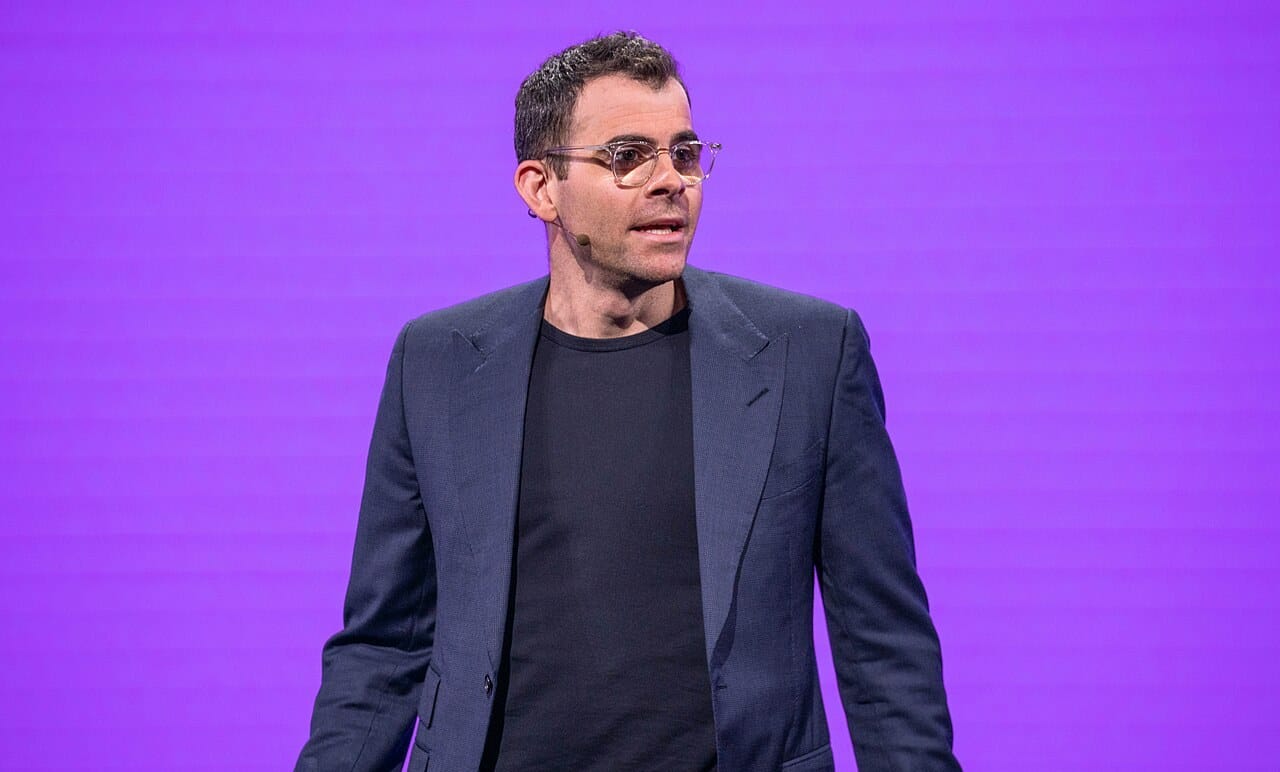
For eight years Adam Mosseri was the man at Instagram who said no to long videos. This week he said yes. On Monday, October 26, Instagram began testing Features, a horizontal format for videos of up to 90 minutes, aimed squarely at the podcasters, comedians and long-form creators who live on YouTube. Two days later, in an interview on The Colin and Samir Show, Mosseri admitted the uncomfortable part: "We're late to the party."
He is right, and the reason is not the length of the videos. Instagram can host a 90-minute film tomorrow. What it cannot yet do is pay for one.
What Features Actually Is
The idea is simple. A creator posts a full-length, widescreen video to their profile and links it to their Reels. A viewer who stumbles on a two-minute podcast clip can tap through and keep watching the whole episode without leaving the app. "You see a clip of a podcast that you love, you can just click and continue watching or watch the full video," Tessa Lyons, Instagram's vice president of product, explained in the announcement video she made with Mosseri. Full-length videos will also be recommended in Explore and elsewhere in the app.
The test began with creators in Brazil and is now expanding to a select group in the United States, with video podcasts, comedy specials and narrative series as the target. At the same time, Instagram's TV app expanded to Apple TV in the U.S., with the phone acting as a remote. "We think the best viewing experience for longform horizontal content is on a big, horizontal screen," Lyons said. That sentence is the whole strategy: Instagram is not trying to win your commute. It wants your sofa.
The Second Attempt
Instagram has been here before. IGTV launched in 2018 with vertical videos up to an hour long, a separate app and enormous fanfare. It never found its audience, and by 2022 it had been folded away as the company bet everything on Reels, its answer to TikTok. Mosseri, who took over Instagram in October 2018, has spent years explaining why the app was a place for short, personal video and not a television channel. In the announcement he conceded he had long been "against doing long-form video on Instagram," and that Lyons had talked him into trying again.
What changed his mind is where people now watch. Social video has moved from the phone to the living room, and the evidence is the platform Instagram is chasing. In Nielsen's August 2026 edition of The Gauge, YouTube took 15.8% of all television viewing in the United States, its highest share ever and roughly twice Netflix's 7.7%. YouTube is no longer a website. It is the biggest channel on American television, and much of what fills it is exactly what Features wants: two-hour podcasts, video essays and long conversations watched on a TV set. As we noted when the Victoria's Secret Fashion Show chose YouTube as its home, even traditional television events now treat the platform as a broadcaster.
The Missing Piece Is Money
YouTube did not win long-form video because it allowed long uploads. It won because it paid for them. Qualifying creators in the YouTube Partner Program receive 55% of the advertising revenue on their long-form videos, a deal that has turned thousands of channels into small production companies with staff, studios and schedules. A creator deciding where to put a two-hour episode is making a business decision, and on YouTube the business is already built.
Features has no such programme. Instagram does not run pre-roll or mid-roll ads, and Mosseri is openly wary of starting: viewers find them annoying, and "I'll get a lot of heat" for it, he said. He was just as blunt about the alternative. Instagram's performance payments to video creators, he said, are "ROI negative": "We spend more money than we make back by a long shot." For now, Instagram is funding some test creators directly and promising bonuses and brand-partnership tools later. A Meta spokesperson told TechCrunch it was "too early to share a long-term monetization model."
That leaves established creators, who can bring their existing sponsorships with them, as the only ones with an obvious reason to upload. Smaller creators get reach but no guaranteed share of anything. It is hard to imagine a podcaster moving a full episode, let alone an exclusive one, from a platform that pays them to one that does not.
What It Means for Pop Culture
None of this makes Features irrelevant. Instagram has something YouTube has always envied: discovery that runs on people rather than search. A comedian's special or a video podcast can be pushed to millions through Reels in a way that a YouTube upload, waiting to be found, often cannot. If Instagram turns that discovery engine into a funnel for long videos, it could become the place where long-form content is found, even if YouTube remains the place where it is paid for.
It also continues a trend that has been redrawing the screen for years. Streamers are trying to become social platforms, with Disney+ launching its own vertical short-video feed this year, while social platforms are trying to become television. The two are meeting in the middle, on the same TV set. For the creators who make pop culture's conversation, from film critics to anime podcasters to comedy channels, that means more places to put their work and more pressure to choose.
Mosseri's own words set the bar. If Instagram does not solve the money problem, he said, the effort fails. Ninety minutes is a format. A living is a reason to use it. Until Instagram offers both, YouTube's crown is safe.