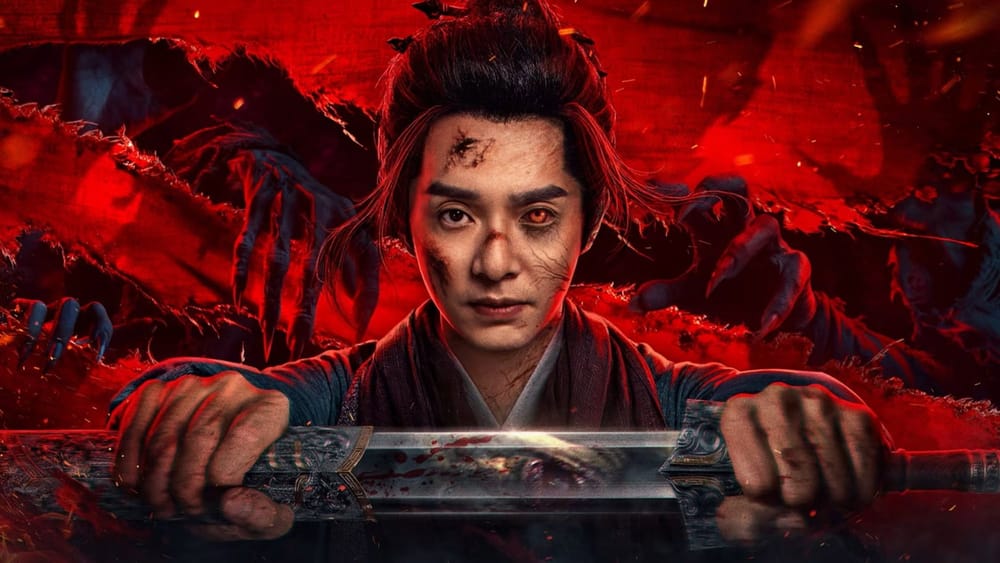
The zombie film has never really been about the dead. It has always been a mirror held up to whoever is still breathing — their politics, their paranoia, their compulsion to organize or destroy. When Dwayne Johnson steps into Zombie War (2026), he doesn't just bring his franchise-carrying frame to the genre; he brings with him the full weight of what blockbuster Hollywood expects from an undead story in the mid-2020s: scale, spectacle, and a leading man whose brand is synonymous with survival.
The question worth asking is not whether Johnson can carry an action-horror film — his track record in disaster-adjacent spectacles like San Andreas (2015) and his foray into horror-adjacent territory with Black Adam (2022) suggests he can anchor almost any high-concept premise. The real question is what Zombie War is designed to say, and whether it has the structural ambition to say anything at all.
The Genre Pressure Johnson Is Walking Into
The zombie genre has been in a complicated position since World War Z (2013) redefined what a studio-scale undead film could look like — and simultaneously exposed the limitations of sanitizing the genre for a PG-13 audience. That film's production chaos, famously requiring a third-act overhaul, became a cautionary tale about what happens when a sprawling, politically textured source material is retrofitted into a vehicle for a single star's heroism. The result was technically impressive and narratively hollow.
Zombie War risks walking the same corridor. The premise — large-scale military conflict against an undead horde, with Johnson presumably playing some variant of a soldier, commander, or rogue operative — is structurally familiar to the point of being a genre contract. Audiences know what they are signing when they buy the ticket. The danger is that Johnson's production apparatus, which has become extraordinarily skilled at delivering comfort food cinema, leans so fully into that contract that it forgets to negotiate anything new.
What made George Romero's work endure was not the zombies. It was the argument beneath the flesh. Dawn of the Dead (1978) didn't survive five decades because its effects were groundbreaking — they weren't — but because the shopping mall was doing analytical work on consumer culture that the genre violence made visceral rather than academic. Every zombie film since has had to answer the same implicit question: what are the dead actually standing in for?
What Johnson's Star Power Does to the Equation
There is something worth examining in the specific cultural gravity Dwayne Johnson brings to genre material. He is, by almost any metric, the last true movie star in the classical Hollywood sense — a figure whose presence alone shifts the financial calculus of a production. But that power comes with a structural cost. Johnson's persona is built on an almost theological relationship with resilience, competence, and moral clarity. His characters do not typically fracture under pressure; they absorb it and distribute it outward as kinetic force.
That's a significant constraint for a genre that, at its best, traffics in institutional collapse and the failure of exactly the kind of authoritative figures Johnson tends to embody. The zombie apocalypse is, generically speaking, a space where leaders fail, hierarchies dissolve, and the camera finds meaning in the margins — in the survivors who weren't supposed to make it, in the compromises that degrade whoever was supposed to be in charge. Johnson's presence pushes against that instinct by design. His star machinery wants him to be the solution; the genre's DNA wants solutions to be the problem.
Whether Zombie War is written and directed with enough nerve to put Johnson's competence in genuine jeopardy — not physical jeopardy, which is easy and expected, but moral and institutional jeopardy — will determine whether the film has a skeleton beneath its spectacle.
The 2026 Context Matters
Releasing a film titled Zombie War in 2026 is not a politically neutral act, even if the filmmakers intend it as pure entertainment. The mid-2020s have been characterized by an acute cultural sensitivity to pandemic imagery, military escalation, and institutional distrust — all of which are the zombie genre's native atmosphere. An audience that lived through the early years of COVID-19 brings a different set of anxieties to an undead horde than the audience that watched 28 Days Later (2002) in the relative innocence of the pre-2008 world.
Studios are aware of this, even when they pretend not to be. The decision to frame the film as a war rather than a survival story is itself a tonal and political choice. Wars have commands and chains of authority. Wars suggest that the enemy, however monstrous, can be defeated through organized force. It is a fundamentally more optimistic framing than the genre's most searching iterations, which tend to suggest that organization is itself the horror — that the attempt to militarize survival is where humanity loses the thread.
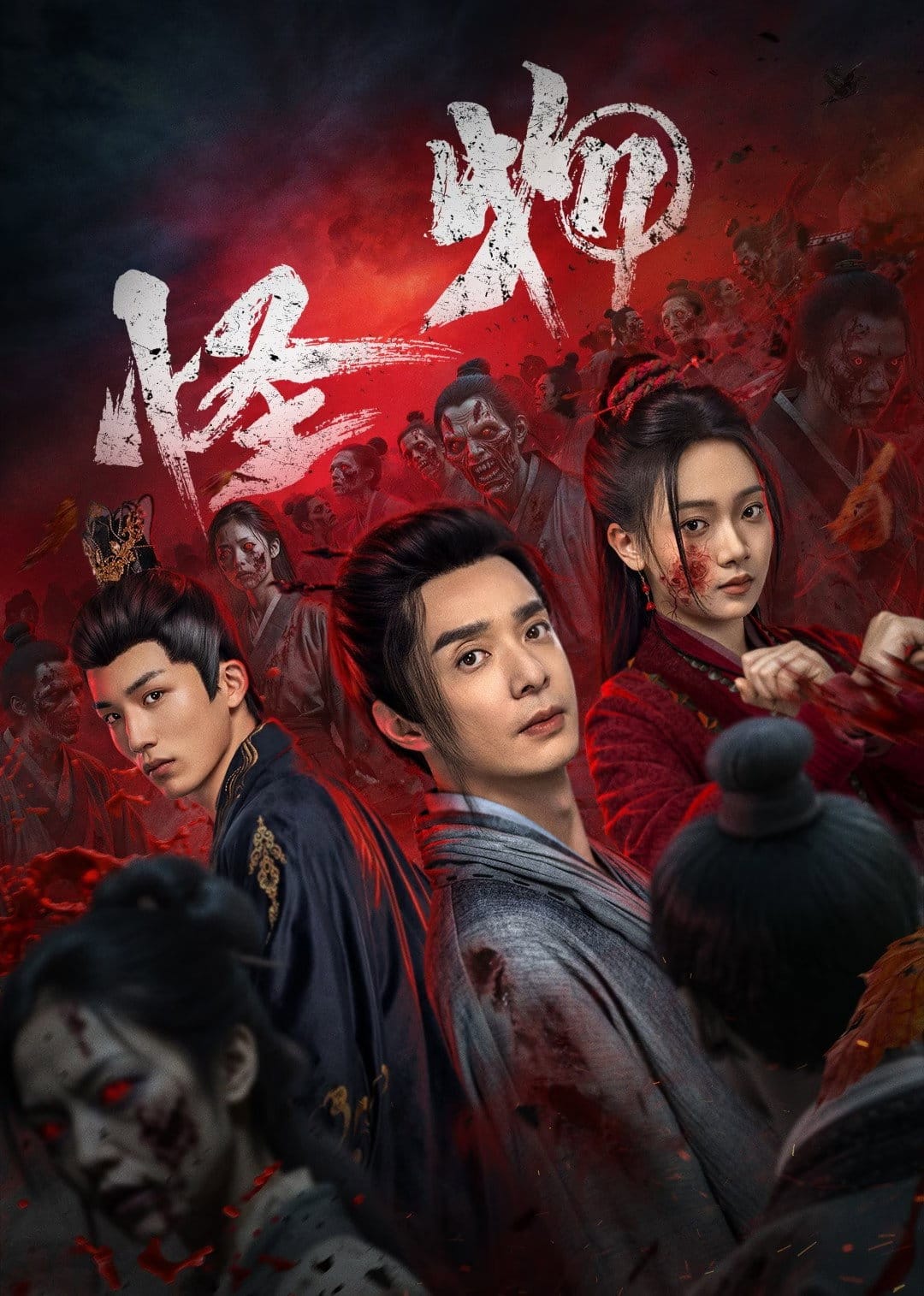
Johnson's attachment to the project almost certainly reinforces that optimistic frame. The marketing will sell triumph. The trailer will almost certainly feature him standing in front of something exploding while looking determined. None of that is inherently wrong — cinema is allowed to be a machine for catharsis — but it narrows the corridor in which the film can operate if it wants to mean something.
The Bet Hollywood Is Actually Making
Strip away the genre trappings and Zombie War represents a specific industrial calculation: that in 2026, the safest version of a high-concept action film is one that borrows horror's iconography while delivering action's emotional rewards. The zombie is not there to disturb. It is there to be destroyed at scale, by a man audiences have been trained to find indestructible.
That calculation may be correct from a commercial standpoint. It may also produce a film that is entirely competent, technically impressive, and functionally forgettable — another entry in the long register of zombie films that chose the horde over the argument.
The genre has survived worse. It is resilient precisely because its central metaphor is so elastic that even a film that mishandles it tends to leave something useful behind — some image, some moment of moral pressure that the spectacle accidentally generates. If Zombie War is lucky, Johnson's presence will create one of those moments: a scene where the competence machine stutters, where the war logic breaks down, where the dead ask a question the living can't tactically answer.
That would make it worth watching. Whether anyone involved has the intention — or the permission — to go there is the real unknown.