On August 31, the Smithsonian's Board of Regents is set to vote on a decision that has almost nothing to do with architecture and everything to do with survival. The proposal: house the long-embattled National Museum of the American Latino inside the Arts and Industries Building, the institution's oldest standing museum on the National Mall. No new construction. No act of Congress. No signature from the White House. Just a vote, a building, and a fait accompli.
The maneuver is elegant in its simplicity and radical in its implications. For years, the museum existed as a congressional aspiration — authorized by law in 2020, celebrated as a landmark of cultural recognition, then quietly strangled by funding battles and, more recently, targeted by the Trump administration's broader campaign against what it has characterized as identity-based federal programming. The money stalled. The dedicated facility never materialized. The museum remained, in institutional terms, a ghost — recognized but not yet real.
What the Smithsonian appears to be doing now is converting that ghost into a physical fact before anyone in Washington can object. By placing the National Museum of the American Latino inside a building the Smithsonian already owns and controls, the institution sidesteps the congressional appropriations process that has repeatedly proven vulnerable to political interference. The Arts and Industries Building — a Victorian-era red-brick landmark that has cycled through exhibitions and renovations since its 1881 opening — becomes not just a venue but a shield.
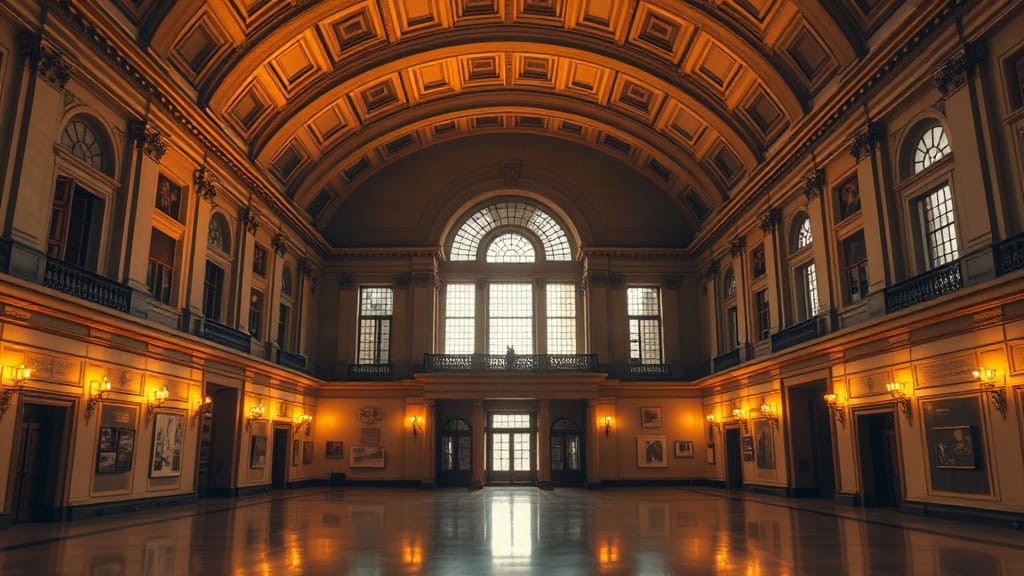
This is how cultural legitimacy is defended in 2025: not through legislation, not through public advocacy campaigns, but through the unglamorous mechanics of institutional real estate.
The Architecture of Permanence
There is a reason the physical location of a museum matters beyond the symbolic. A museum that exists inside a building, with staff, collections, and programming, is categorically harder to erase than a museum that exists only as a budget line. Funding can be cut. Lines can be removed. A building full of curated objects and visiting schoolchildren generates a different kind of political cost to dismantle. The Smithsonian, an institution that has operated with a degree of independence from the executive branch since its founding in 1846, understands this calculus precisely.
The Arts and Industries Building choice is also not accidental from a symbolic standpoint. It is the second-oldest Smithsonian museum on the Mall, built to house the collections of the 1876 Centennial Exposition — a structure that itself was born from a moment of national self-definition. Placing a museum dedicated to the American Latino experience inside that building is a curatorial argument embedded in brick and mortar: this history belongs at the center of the American story, not at its margins.
What the Maneuver Reveals
The deeper significance of the August 31 vote is what it exposes about the current relationship between cultural institutions and federal power. The Smithsonian is not, technically, a government agency — it is a trust instrumentality of the United States, a legal distinction that has historically afforded it meaningful autonomy. That autonomy is now being tested in real time, and the institution appears to be leaning into it rather than away from it.
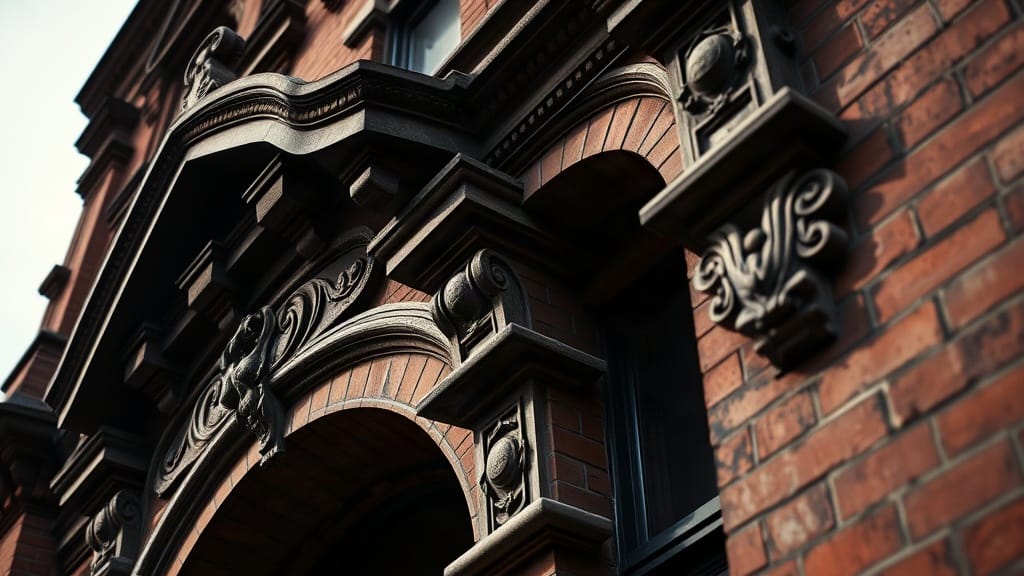
This is a pattern worth watching beyond the specific case of the Latino museum. When the political environment becomes hostile to particular forms of cultural recognition, institutions that control their own physical and financial infrastructure have options that purely congressional-dependent projects do not. The Smithsonian is not staging a protest. It is not issuing a statement. It is doing something far more durable: it is making a decision that will be very difficult to unmake.
The Trump administration's defunding threats have operated on the assumption that cultural programming dependent on federal goodwill can be disciplined through the budget process. The Arts and Industries gambit suggests the Smithsonian is betting that possession — in the most literal, physical sense — is nine-tenths of institutional law. Whether that bet holds will depend on how aggressively the administration chooses to contest it, and what legal and political tools it is willing to deploy against a 178-year-old trust that has outlasted thirty-seven presidencies.
On August 31, a board of regents will cast what looks from the outside like an administrative vote. What it actually is, is a declaration — quiet, procedural, and almost certainly irreversible — that some cultural facts are now too important to leave to the mercy of Congress.