Box office failure used to be a death certificate. For horror franchises in 2025, it's increasingly closer to a minor inconvenience. Evil Dead Burn (2025) opened to numbers that, by any traditional theatrical metric, would have signaled the end of a franchise's studio investment. Instead, Universal confirmed its presence in the Halloween Horror Nights attraction pipeline within weeks of release, and producer discussions around a follow-up entry were already circulating in trades before the film cleared its second weekend. The question isn't whether Evil Dead Burn underperformed. It did. The question is why that underperformance no longer means what it once meant.
The IP Is the Asset, Not the Film
The structural shift is not subtle once you look for it. Studios no longer greenlight horror films solely as theatrical products. They greenlight them as IP deployment vehicles — mechanisms for keeping a brand legally active, culturally visible, and commercially licensed across multiple revenue streams simultaneously. A film that earns $18 million against a $15 million production budget is, on paper, a marginal performer. But if that same film generates a theme park attraction, a streaming licensing deal, a video game tie-in, and a wave of Halloween merchandise at scale, the theatrical P&L becomes almost beside the point. The movie is the marketing spend for a much larger product ecosystem.
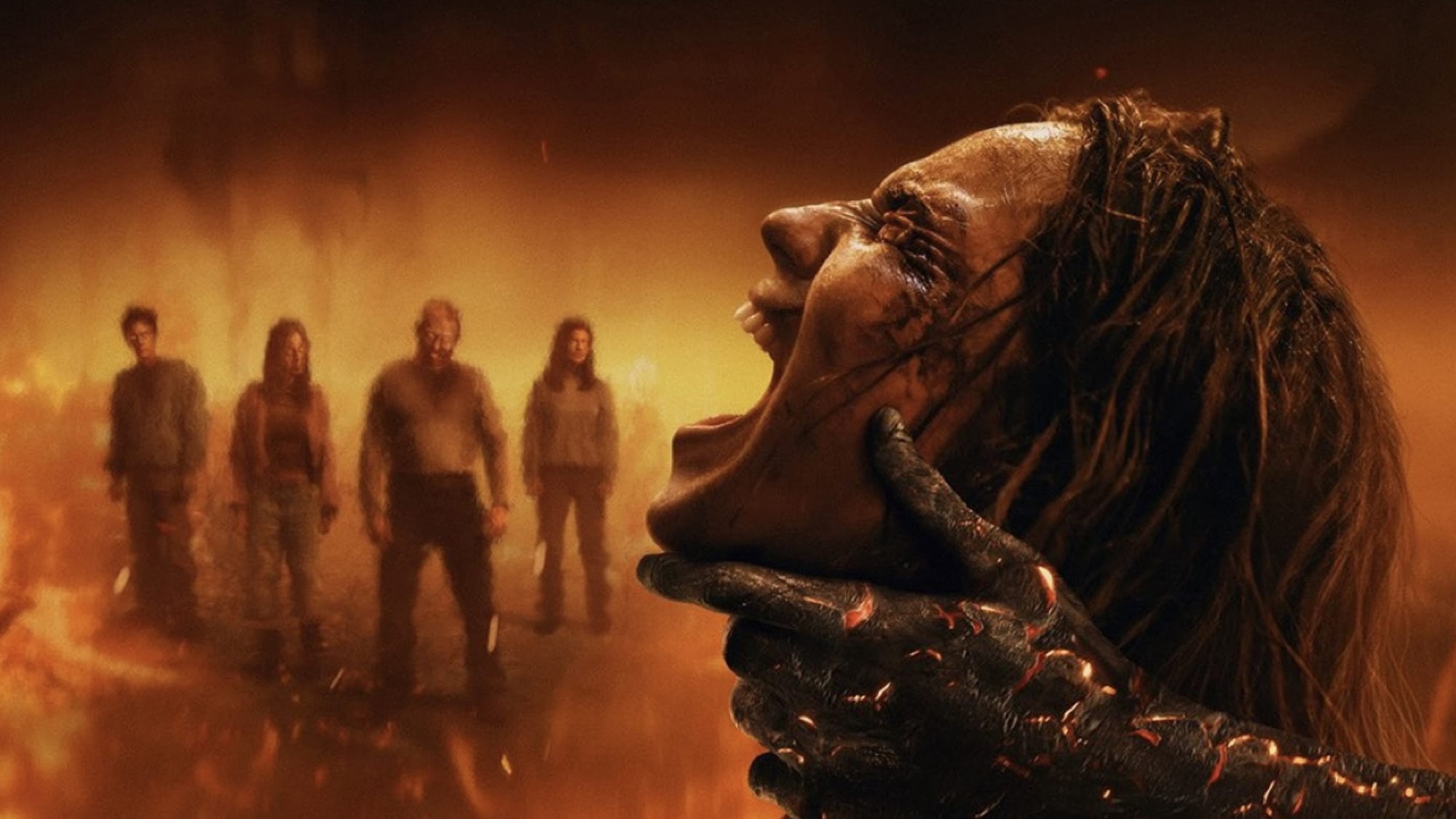
The Evil Dead franchise has operated this way for longer than most. Sam Raimi's original The Evil Dead (1981) was a regional horror product that accrued cultural weight across decades of home video, cable rotation, and cult canonization — none of which registered as a box office event. Evil Dead II (1987) was modest theatrically and became enormous everywhere else. The 2013 Fede Álvarez remake performed reasonably at the domestic box office but its real legacy was proving the brand could attract new audiences without Raimi or Bruce Campbell in the director's chair. Evil Dead Rise (2023) then validated the day-and-date streaming model by becoming one of HBO Max's most-watched horror titles despite a theatrical run that wasn't built to dominate. Each entry recalibrated what success meant for this franchise. Burn is simply the latest recalibration.
Halloween Horror Nights as a Second Box Office
Universal's Halloween Horror Nights functions, in economic terms, as a secondary theatrical release for horror properties — one with a captive, high-spending, demographically precise audience. A confirmed HHN house isn't a consolation prize for a film that missed its numbers. It's a revenue event in its own right, one that carries licensing fees, merchandise attachment, and brand exposure reaching millions of park visitors annually across Orlando and Hollywood. For a horror IP, landing an HHN slot can represent more guaranteed cultural penetration than a mid-tier wide release. The irony is that the theme park validates the IP's vitality at the exact moment the box office appears to challenge it.
This matters because it inverts the traditional signal hierarchy. Historically, theatrical performance told studios and audiences alike what a property was worth. A flop meant toxicity — sequels died, merchandise got shelved, franchises went dormant. That feedback loop has been interrupted. Streaming residuals, PVOD windows, and experiential licensing have introduced enough parallel revenue channels that a single theatrical data point no longer controls the narrative. Studios read the full portfolio, and horror — with its reliable home-viewing appetite and high licensing elasticity — portfolios better than almost any other genre.
What the Sequel Pipeline Actually Signals
The reported sequel discussions around Evil Dead Burn are not a vote of confidence in the film. They're a vote of confidence in the infrastructure the film keeps warm. Maintaining sequel optionality costs studios relatively little in development terms, and it preserves the IP's active status for licensing conversations. A franchise that's "in development" commands meaningfully different terms than one that's dormant. The sequel may never get made. The announcement of its possibility is itself a business instrument.
What Evil Dead Burn ultimately exposes is that horror has become one of the most franchise-resilient genres in contemporary studio strategy — not because horror films reliably make money at the multiplex, but because they reliably make money everywhere else. The Deadites have always been hard to kill. Now the economics are too.