Film noir was supposed to be a historical accident, not a permanent genre. The label itself was coined retroactively by French critics describing a cycle of American crime pictures made roughly between 1941 and 1958 — The Maltese Falcon (1941), Double Indemnity (1944), Sunset Boulevard (1950) — films that shared a visual language of hard shadow and moral rot without the studios that made them ever using the word "noir" themselves. By most accounts, the cycle ended when color cinematography and a changing audience made its black-and-white fatalism feel dated. Nearly seventy years later, noir hasn't just survived its own obituary. It has become one of the most reliable aesthetic and structural toolkits in contemporary cinema, reshaped by filmmakers who treat its cynicism as diagnosis rather than nostalgia.
What Actually Survived the Transition
The mistake is assuming neo-noir survived because of its look. The shadows and venetian-blind lighting are the genre's most imitated surface feature, and also its least important one. What actually carried forward is noir's structural pessimism: a protagonist whose investigation implicates the institutions meant to protect him, a femme fatale whose danger is inseparable from the fact that she has more agency than the genre's moral framework wants to grant her, and an ending that refuses the comfort of restored order. Roman Polanski's Chinatown (1974) proved that pessimism could be ported into color and widened into a critique of civic corruption rather than a single criminal's guilt. Everything that followed — from the neon-soaked dread of Blade Runner (1982) to David Fincher's procedural nihilism — is working from that same inherited structure rather than noir's original monochrome palette.
Fincher's Procedural Nihilism
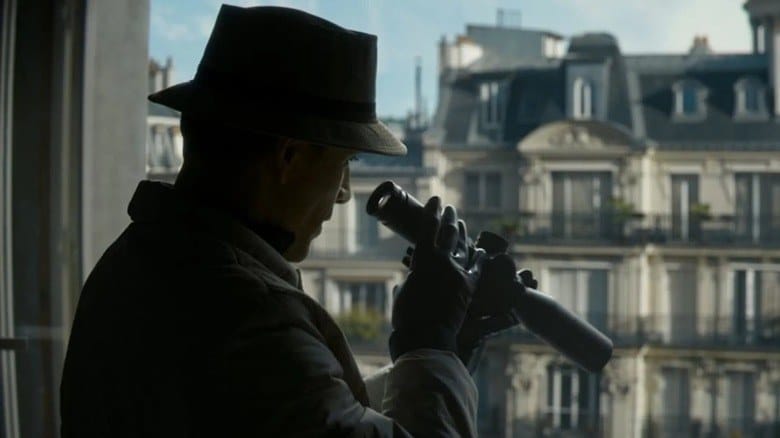
No contemporary director has done more to translate noir's fatalism into a modern register than David Fincher, and The Killer (2023) makes the inheritance explicit. The film strips noir down to its structural bones: a protagonist whose professional competence is also his moral vacancy, a voiceover that narrates self-justification rather than insight, a plot that resolves nothing about the systems that produced its violence. Fincher had already been building toward this for decades — Seven (1995) relocated noir's moral rot into serial-killer procedural, Zodiac (2007) turned the genre's investigative obsession into an actual depiction of how obsession destroys the obsessed. What makes Fincher's noir legible as noir, rather than just "dark thriller," is his insistence that competence and resolution are not the same thing. His detectives solve puzzles and still lose.
Villeneuve and the Scale Problem
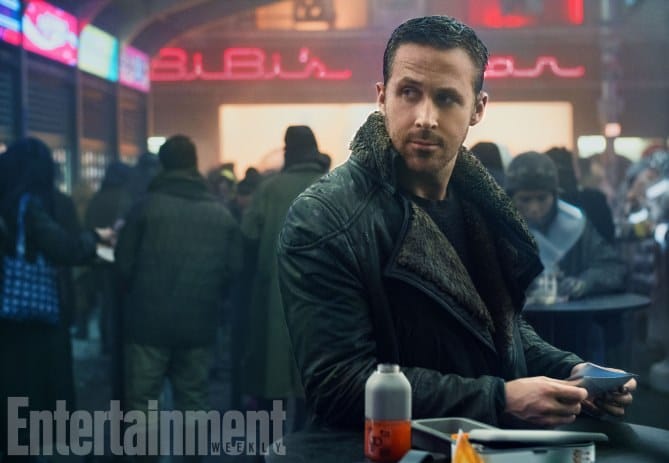
Denis Villeneuve took a harder structural risk: scaling noir up to blockbuster size without losing its interiority. Blade Runner 2049 (2017) is, underneath its franchise obligations, a noir detective story about a man investigating a case that unravels his understanding of his own identity — the genre's oldest trick, rendered at a budget noir's original B-picture directors could never have imagined. Prisoners (2013) did something similar at a smaller scale, using a missing-persons investigation to indict the moral compromises of the people conducting it rather than just the criminal they're chasing. Villeneuve's films are frequently praised for their visual craft, but the craft is in service of a specifically noir argument: that the search for truth and the search for justice are not the same pursuit, and pursuing one can actively corrupt the other.
Bong Joon-ho and the Globalized Genre
The clearest evidence that noir's structure, not its American setting, is what travels is Bong Joon-ho's work. Parasite (2019) uses a noir-adjacent structure of escalating deception and social investigation to indict class stratification rather than organized crime, and Memories of Murder (2003) applies noir's fatalistic unsolvability — a mystery the detectives cannot close, a system that fails the case rather than the other way around — to a true-crime story rooted specifically in South Korean history, one whose real killer was only identified sixteen years after the film's release. Neither film needs a fedora or a rain-slicked street to read as noir's direct descendant. What they share with Chandler and Hammett's source material is the conviction that institutions designed to deliver justice are frequently the mechanism by which it gets denied.
Television has absorbed the same inheritance more recently and more explicitly. The prestige crime format that HBO's Lanterns borrowed its structure from is noir's slow-burn procedural logic, stretched across a season instead of two hours, built on the same premise that the real mystery is never just who committed the crime but which institution allowed it to happen.
Why the Cynicism Keeps Translating
Noir's postwar audience was processing a specific disillusionment — soldiers returning to an America that hadn't delivered on its promises, a growing awareness that institutional authority could be corrupt rather than simply fallible. That disillusionment has never fully resolved itself; it has just changed shape every decade since. Each generation of filmmakers reaching for noir's structural pessimism is making the same bet the genre's originators made: that audiences are more interested in a true account of how power actually fails them than in a comforting one. Seventy years after critics declared the cycle finished, that bet keeps paying off, which is the strongest evidence available that noir was never really a genre bound to a decade. It was an argument about institutions, dressed in shadow, and the argument hasn't gone out of date.