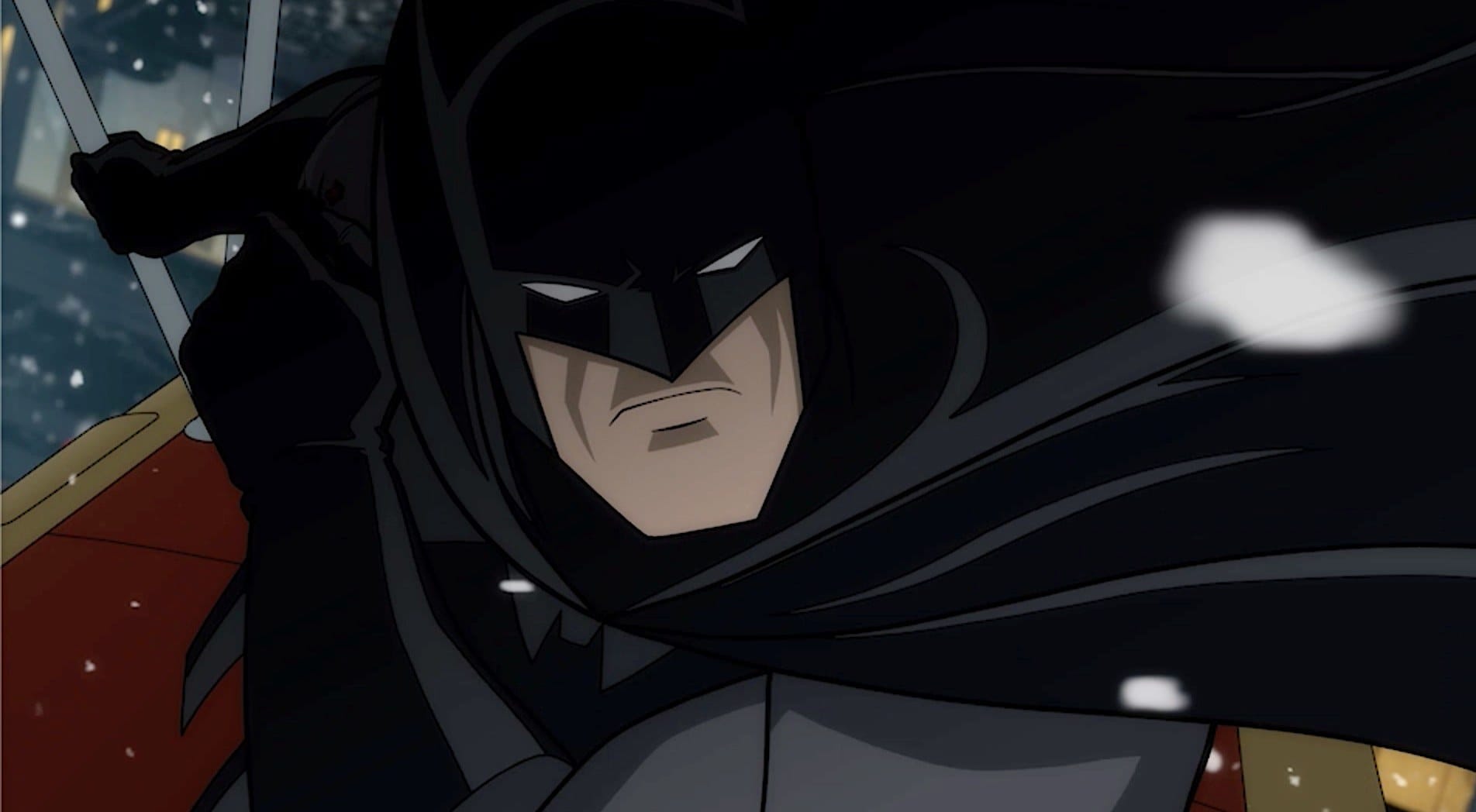
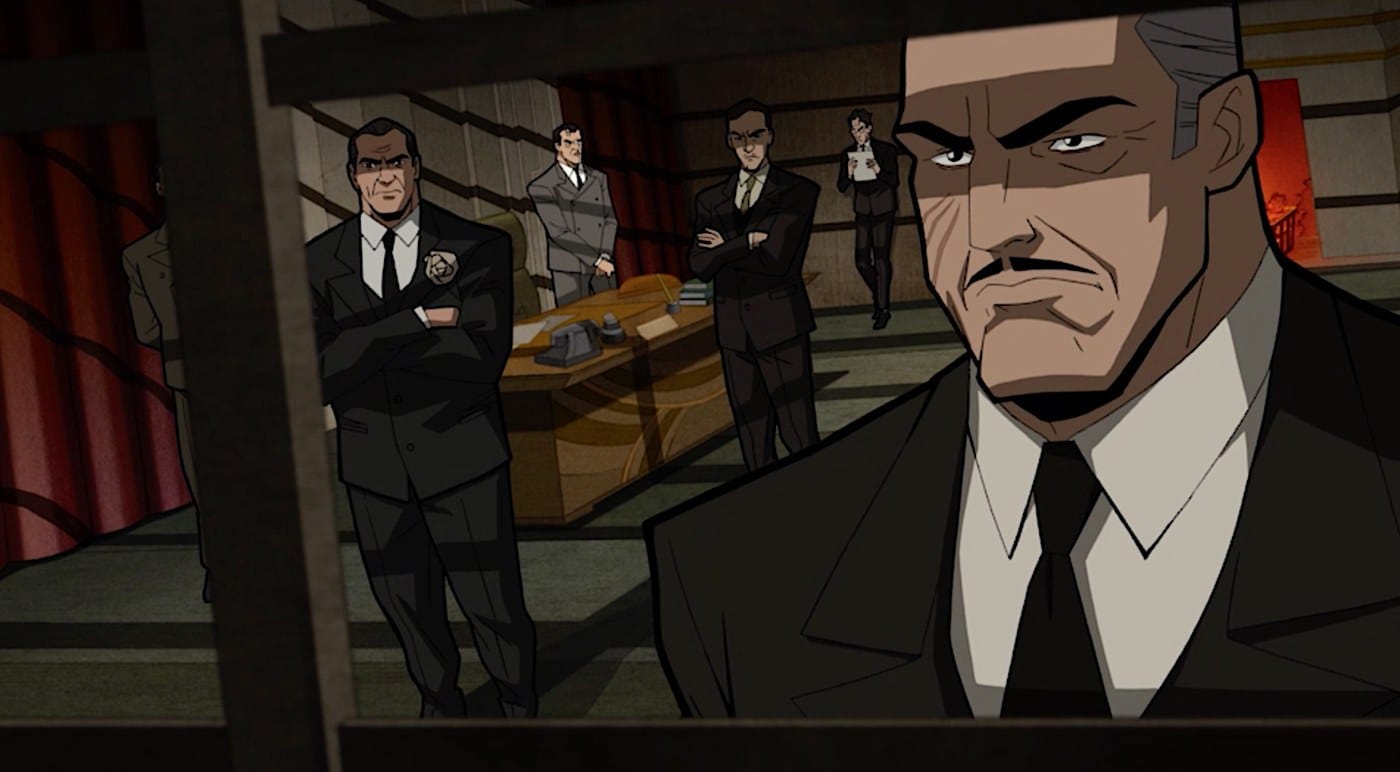
Batman: The Long Halloween (1996) was never supposed to become the definitive Batman story. Jeph Loeb and Tim Sale built it as a thirteen-issue murder mystery, a holiday-themed whodunit stretched across Gotham's criminal calendar. Nearly thirty years later, it is the single most adapted, most cited, most visually plundered Batman comic ever published. Christopher Nolan borrowed its two-faced tragedy for The Dark Knight (2008). Matt Reeves lifted its rain-soaked detective procedural wholesale for The Batman (2022). Warner Bros. Animation turned it into a two-part film in 2021, and DC is still publishing sequels to it — The Long Halloween: The Last Halloween launched in 2024, nearly three decades after the original's final issue. No other Batman comic has this kind of half-life. The question worth asking is not whether it deserves the status. It is why this particular story, and not The Killing Joke or Year One, became the template everyone keeps returning to.
A Mystery Built Like a Calendar
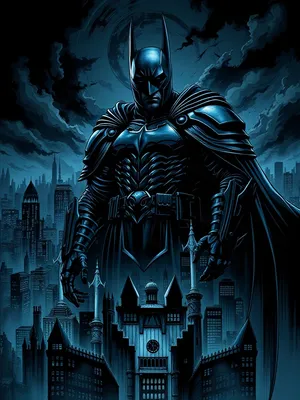
The premise is simple enough to fit on a dust jacket: someone is murdering members of the Falcone crime family on major holidays, and Batman, Jim Gordon, and District Attorney Harvey Dent have to find the killer before Gotham's old mob order collapses into something worse. What made it endure is the structure underneath that premise. Loeb organizes the book like a liturgical year, one murder per holiday, and uses that rhythm to slow down Batman's mythology to the pace of a procedural rather than a spectacle. Sale's art, all jagged shadow and Expressionist exaggeration, treats Gotham as a city built from film noir rather than superhero iconography. Together they produced something closer to Chinatown with a cowl than a typical cape comic.
The Book That Became an Origin Story
The accident of timing matters here. The Long Halloween arrived in 1996 and 1997, right as the Batman film franchise was collapsing under Batman & Robin (1997) and the character badly needed a version of Gotham that felt dangerous again. Loeb and Sale supplied one: a city run by organized crime rather than theme-park villains, where the emergence of costumed freaks like the Joker and the Scarecrow reads as a symptom of institutional rot rather than a spectacle in its own right. That diagnosis — that Gotham's corruption predates and produces its monsters — became the operating theory for nearly every prestige Batman adaptation that followed. Nolan's Gotham is Falcone's Gotham with better production design. Reeves' Gotham, down to Carmine Falcone himself appearing as a major antagonist, is closer to a direct quotation.
It also reframed Harvey Dent's fall. Previous tellings treated Two-Face as a tragic accident, a good man scarred by a single bad night. The Long Halloween spends its entire length building Dent as someone already fracturing under the pressure of fighting corruption through legal means in a city where the law is for sale, so that his transformation reads as inevitability rather than misfortune. That version of the character — Dent destroyed by the system he tried to work within — is the one every subsequent adaptation has used, because it is simply the better story.
Why It Reads as Literature
Comics criticism has always been uneasy about claiming "literary" status for superhero work, and The Long Halloween is a useful test case for why that unease is often misplaced. The book's structure is not decorative. The one-murder-per-holiday format forces a pacing discipline that most thirteen-issue arcs don't attempt, each chapter a self-contained mystery that still advances a larger design toward Dent's fall. Sale's visual choices function the same way a cinematographer's would in a prestige noir film: extreme shadow, distorted proportion, and a nearly total absence of daylight panels until the conspiracy starts to unravel. The book earns comparisons to The Godfather not because it borrows the Corleones' aesthetic, but because it understands, the way Coppola did, that organized crime stories are fundamentally about institutions failing the people inside them.
None of that erases the book's limitations — the mystery's final reveal is less satisfying than the journey toward it, and later sequels diluted the formula through repetition. But influence is rarely proportional to flawlessness. What The Long Halloween got right — a grounded Gotham, a tragic Dent, a Batman defined by investigation rather than punching — became load-bearing architecture for every screen Batman that followed it, a rarer and more durable achievement than a clean ending.
Thirty Years On
The fact that DC is still mining this specific book — Loeb and Sale's own direct sequel series, nearly thirty years after the original concluded — says something about how rare its combination of qualities actually is. Most acclaimed superhero comics get cited. Few get rebuilt from, film after film, decade after decade. The Long Halloween did not just tell a good Batman story. It wrote the grammar that every subsequent attempt at a serious one has had to speak.